5 Ways I Get In The Zone Before Racing
If you guys want to get in the zone just like I do before stepping on the kart either for a testing session or for the race, you know, maybe even j…

If you guys want to get in the zone just like I do before stepping on the kart either for a testing session or for the race, you know, maybe even just for quali, if you want to get in the zone and in the zen mode, as I like to call it, then these five tips and five basically activities are definitely going to help you to get into the zone.
All right? And for sure if you can get into the zone, you’re definitely going to get you are going to set better lap times and get better results. But first of all,
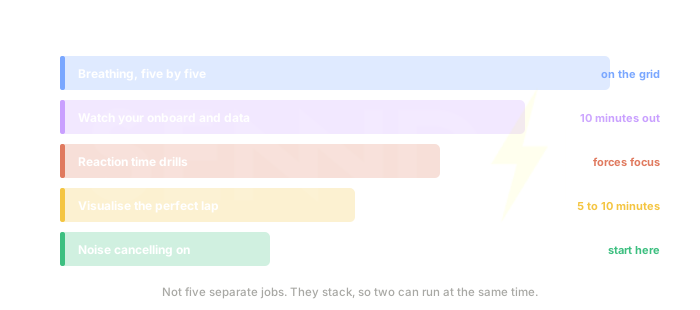
- Flow is trained, not stumbled into. Build a routine and repeat it until it becomes a switch.
- The noise cancelling matters more than the playlist. You are blocking distraction, not adding motivation.
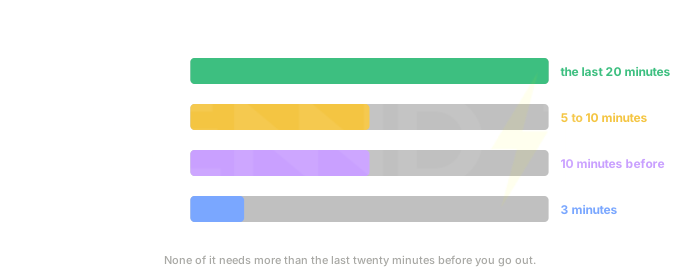
- Visualise the lap with a wheel in your hands — gears, sound, bumps, braking points. Five to ten minutes is enough.
- Play your own onboard audio while you visualise. It becomes a guided run through the lap.
- Reaction drills force focus and stop you scrolling your phone in the last twenty minutes.
- Watch your onboard again right before you go out, even if you already watched it in the debrief.
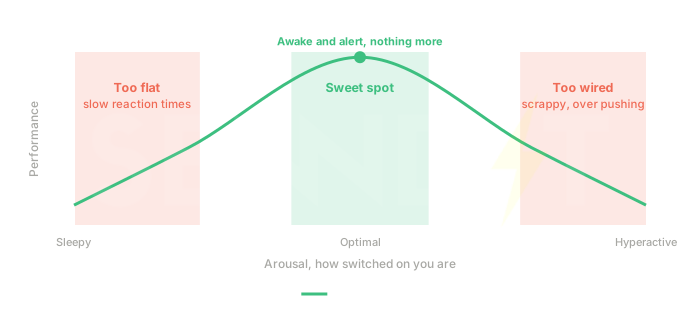
- Arousal is an inverted U. Too flat is slow; too wired is scrappy and over-thinking.
- Box breathing, five by five, with the visor down. Three minutes on the grid is all it takes.
- What the zone actually means
- Flow does not happen by accident
- 1. Noise cancelling, which matters more than the music
- What I actually listen to
- 2. Visualisation
- How I actually do it
- Using it to fix the last session
- Antonelli does it too
- Your brain is the cheapest simulator you own
- Guided visualisation with your own onboard audio
- 3. Reaction time drills
- The two-tennis-ball drill
- Reaction lights
- 4. Watch your onboard and your data
- Ten minutes before you go out
- 5. Breathing
- Why diaphragm breathing is different
- The arousal curve
- Too switched on is as bad as too flat
- I was always too far up the curve
- Box breathing, five by five
- What I do on the grid, three minutes out
- The driver I said all this to last week
What the zone actually means
what do I mean with you know getting in the zone and like having this sort of zen mode? All right, probably you’ve already seen some movies or some videos or heard stories about zen – the concept of zen starts from the you know the Buddhist um yeah the Buddhist meditation practice. So it basically is when you are so focused and you’re so you know um yeah you’re just in in the zone basically or you’re so focused that you are you know forgetting about everything else around you and you’re just you’re directing all your attention towards a single goal and you know you forget about the past you forget about the future.
There’s no noise around you. It’s like you’re in a complete bubble and you’re super uh yeah just focused in into what you’re going to be doing ahead. And this is really like
Flow does not happen by accident
the key flow state that you want to develop and all the athletes um you know at the top level are being able to develop and if you want to become one of those and if you want to become the number one in the world what you do which is in this case you know karting. If you want to do that you got to make sure you enter this this state of flow this zen mode and it’s not something which is uh going to happen to you automatically.
You need to put deliberate practice and deliberate effort into achieving that because it’s not going to happen automatically. I’m telling you. So here’s five techniques basically I just uh u I like to I like to do and I like to stack also together not just they will not always be done individually. All right they can always stack one of the other.
1. Noise cancelling, which matters more than the music
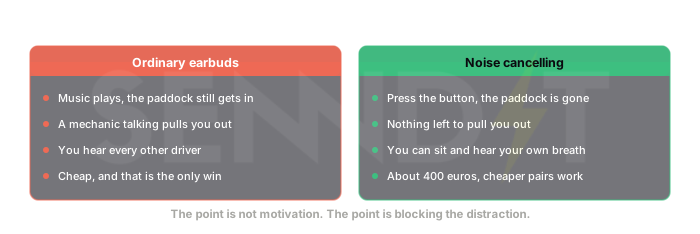
And the first one that you probably have already been doing by yourself. And you know, maybe you’re not doing it uh consciously. You’re just doing it because you like it. But you know, one of the easiest things to do to get in the in the zone is to do just like I do, you know, get these uh you know, you know, uh noise cancelling headphones like the AirPods Max from Apple, but you can get different ones.
And this one basically. Okay. So the number one is basically music, but it’s not just music actually. It’s it’s noise like noise cancelling. That’s the thing because once you put this this, you know, these amazing headphones on, you’re definitely going to not feel any noise around you. And it’s it’s crazy. And if you press this button over here, you know, it’s going to be making even more noise cancelling.
So already by putting them on, they’re going to remove some noise. If you actually click on them, it’s going to kind cancel that noise almost completely. And it’s unbelievable. I I use it all the time. And I mean all the time whenever I go driving because unfortunately lately I haven’t been able to to find the time for that. Too busy with with the all the activities at at BabyRace and obviously here at Senndit.
But um yeah, I uh every time I get to, even if it’s just a random test day and there’s nobody else on track, it’s just me, I really want to use these ones because they are helping me to to really uh just block out the distraction, block out the noise, and they help me to to focus right before getting into my kart.
And I like to uh you know listen to music, but to be honest, I don’t listen too much music. I I actually sometimes just like just staying completely by myself my and listening to my breath you know just you know going through my um just doing through my thought I just don’t want to hear external noise from you know other mechanics around me other drivers around me like anything in the paddock I just for those 20 minutes before driving I want to you know try to block myself out and this is going to help you and you will see in other in the other in the in the other task below that you can stack them.
For example, you can stack them with number two. What what do you mean by stacking? Stacking is doing one thing and the other at the same time for example. So we said music is a number one which is very easy everyone can do. You don’t necessarily need like fancy air air max like these ones that cost I don’t know my girlfriend gave them to me; they are about 400 euros.
Uh so they’re quite expensive but you can you know can get for cheaper ones. Um, you can even just use the other AirPods. But to be honest, the great thing about these ones is that they are noise cancelling, but you can get other headphones that are noise cancelling. I think the fact that are noise cancelling are key because if you just get random like uh like air like uh you know, AirPods like that, you know, they’re not going to be too great because they will not cancel the noise.
So if somebody is doing noise around you, they will still distract you. At the end of the day, the only reason why you want to block out noise is because you want to block out the distractions. Now,
What I actually listen to
if you ask me what kind of music I like to I like to listen to, I like to listen to like Eminem. All right, a bit of Drake, but just stuff that gets me in the rhythm. Okay, I love Eminem because, you know, if I listen to Not Afraid, for example, with that kind of like there are few songs that are really getting me in in the zone and they’ve done that for times and times and times again.
And um yeah, I mean it’s just uh it’s just been uh yeah been uh it’s just been a repetition. It’s been like engraved in myself and I just feel like now it’s like an on andoff switch when I listen to few like like certain songs they create some sort of uh yeah just like mood and just like they get me into the zone honestly.
That’s that’s like that. It’s it’s yeah it’s just like a series of habits that get me in the zone and like ready to ready to go – in the sporting sense of the phrase. Then
2. Visualisation
number two which is connected to the first one but a little bit more uh specific is called visualization. Now you probably know what I talk with vis visualization. This is not really meditation. Visualization is basically um you probably have seen this from F1 drivers like Verstappen. Uh you’ve seen other drivers as well doing this kind of exercise. Basically visualizations mean you’re like uh either with headphones on or without.
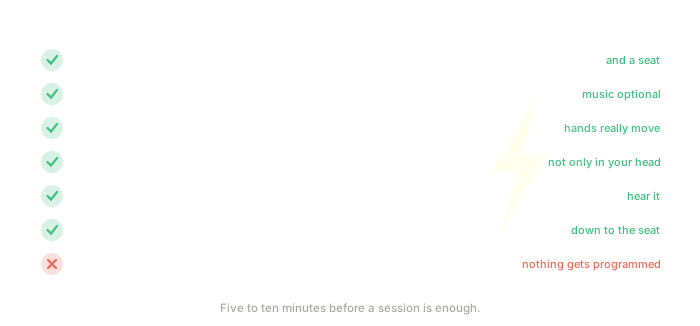
I like to do with headphones on. Not necessarily listening to music but just like to block out distractions because I like to just visualize the perfect lap.
How I actually do it
So I hold a steering wheel, put the headphones on, and visualize. All right. Just going, you know, I would just do everything that it’s required for me to to do a perfect lap. For example, you know, I’m going I’m going through the gears in case, you know, I’m going down the gears. I’m like shifting even my body as I have to.
I’m going on a throttle the same way. I’m trying to go up the gears. I’m trying to listen in my in my head the same the sound of the of the of the gears of the engine etc. I try to really like just do the exactly the same things that I would do in in a optimal lap and uh yeah I feel this is just something um that is easy to do.
It’s going to take uh what am I like five minutes of your time. I’m not asking you to do well you I’m not asking you anything. I’m just telling you what what is working for me. In my case, it works for me to do like five to 10 minutes max before a session. And not only I do that to just focus on on getting ready for the next session, but
Using it to fix the last session
I also like to do to correct the mistakes that I did in the previous session. For example, if I finish the session, I do data or watch my own videos and I notice that I’m losing time in the specific corner. After that, I’m like, okay, I know where I’m losing. Then I’m going to go and do the visualization exercise just because I feel that by doing so, I create some sort of muscle memory and I’m like programming myself so that when I go out, I know exactly what I need to fix.
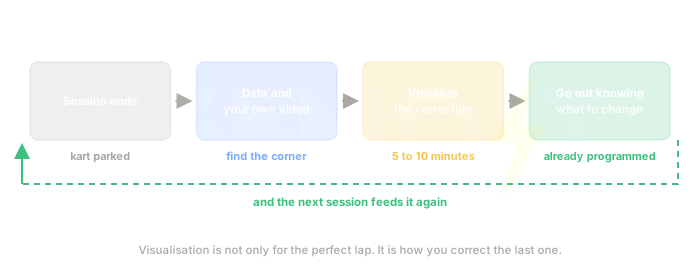
And I’m pretty sure most of the F1 drivers do and uh it’s just super super effective. I mean, I use I use visualization a lot. And if you watch
Antonelli does it too
the documentary from Kimi Antonelli, which was which is on Netflix, it’s called The Seat. You will see that he also mentions that he visualized a lot. And that’s what I also do a lot. I mean, when I was racing full-time, I would visualize everything. Like even my my my warm-up laps, my my yeah, my just starting procedure, my overtakes, etc.
I would visualize pretty much as much as possible. Think about it.
Your brain is the cheapest simulator you own
Visualization is like you’re using your brain, your your your Yeah. just brain capacity as as a simulator as a mental simulator. So you can you can simulate stuff. You can simulate scenarios. Oh, if I if everybody defends then I can try to do this. If everybody’s open, I can try to do that. You know, if the car is sliding, I can try to do this.
If the car is too grippy, I can try to do that. You know, I mean, if I have a gap in turn one, I can do this. If they’re at all close behind me, I got to do that. Stuff like that. I visualize a lot different scenarios, especially in the race. But I also want to always visualize the perfect lap because I think it’s you never get you’re never that you’re never good enough to to say that you don’t need visualization.
Everyone needs it. If F1 drivers like Verstappen those goats of motorsport needs to do visualization, it means all of us humans let’s say below them uh below below Max which is I guess super human. Um all of us we should do visualization too. If he does it then all of us by definition we should do it then. So this one is really the thing that probably of all of these five is that gives me the most uh goosebumps.
You know it really it’s really effective but you need to get used to it. At first it’s going to feel weird like you will not be but after that once you’re able to visualize perfectly in your brain like corner by corner like literally the the sound of the engine the vibration on your seat everything like every little bump you need to try to visual as much as possible the braking like you need to try to do that try to get even yourself in a seat are they in your kart or try to get in another seat like just a random seat as long as you have a steering wheel a seat some headphones on.
Another thing I like to do which is really good you should try is um is for example I I I use my headphones and in my headphones instead of having nothing
Guided visualisation with your own onboard audio
instead of having music I just have my my onboard lap. So I’m like having my onboard lap in in the background like for like 10 minutes long session and I’m just like I know the noise so I know where where basically the noise is directing me to to you know to to to each corner. So I I I it’s more like a guided meditation like it’s more of a guided visualization sort of thing and I I like it a lot.
3. Reaction time drills
Number three is reaction times. Now you have probably seen a lot of drivers in F1 doing those. Okay. I feel reaction times are extremely extremely useful. Well I mean reaction times it’s uh it’s reaction times at the end of the day we all have them. Some some of us have more developed and more trained reaction times. We all have reaction times.
I mean of course by definition but you can train them. So when I talk about reaction times is reaction time exercises actually. So reaction time exercises. So I mean things like you know the the
The two-tennis-ball drill
the tennis ball exercise for example you can have someone standing in front of you and he has you know one ball and uh he’s basically going to throw the throw the ball and you you need to know on the no actually going to have two balls and you need to know where where he’s going to throw it. So you need to know where um you know which ball to catch based on on the reaction time.
That’s one of the very important exercises which is the easiest way to do. You just go to Decathlon or anywhere on Amazon. You just buy two tennis balls for a couple of euros. You just buy the the balls and you make sure that somebody is standing in front of you and and they do this exercise. It’s easy to catch.
Like you need to get used to catch as quickly as possible and obviously you’re going to get better and better. You’ll see. Then another one one I really like a lot is the you know the
Reaction lights
reaction times on the you know on the wall for example you can use brands like BlazePod, or others – there are plenty but I mean at the end of the day the only goal is to to do some reaction time so that you you know you get your adrenaline because you get some adrenaline from that you just start to go into like race mode you start to be like okay channeling your attention and by definition when you’re focusing on reaction times you don’t have the time to distract yourselves with any other things you know for example like playing with your phone or just like watching Tik Tok or just like uh you know messing around with your teammates etc.
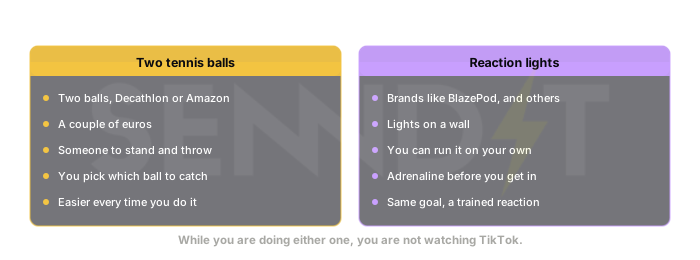
So by definition when you’re doing an activity like this it forces you to focus which is great. Okay
4. Watch your onboard and your data
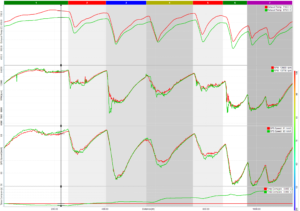
number four which I like to do a lot is watching my onboard videos on board videos and I would add telemetry. Okay so you will be like oh but Allesio isn’t this like part of the the like the daily routine of the track? Yes and no. I mean like you can consider like the onboard videos. Yes. Like first of all you can watch your own videos by with with your coach with your data guy like with your mechanic but then I like to watch it by myself or sometimes what I do is quite funny like sometimes I watch it by myself then I watch it with somebody else being my mechanic and then I watch it again by myself before the session.
So it’s it’s a bit like that but I like to watch onboards and videos sorry and data analysis. I just do my own data on Race Studio. Obviously, I’ve got so much experience by doing data uh with all my drivers at BabyRace is that, you know, I it’s just like second nature for me. I just enjoy it and it’s just like an obsession for me to to find lap time every session.
So, for me, it’s just like but I I encourage you to try. It’s not difficult. Anyway,
Ten minutes before you go out
consider watching on more videos right before the session, 10 minutes before the session, even though you may have watched them before, because by doing so, yeah, it’s gonna channel into what you have to do basically before the session. And again uh you can also watch the bench like benchmark videos from like some teammates or or somebody else from other sessions from other days but at least like watching videos from fast drivers or from yourself or fast sessions you know by yeah watching whether your video or other drivers videos but just watching something before the session I think it’s forces you to to focus you know all of these activities are kind of forcing you to focus except listening to music which is more like a like a laid-back you know chilled way to focus all the others are requiring your active participation.
5. Breathing
Number five, which is uh um one a bit more let’s say complicated but again it’s not that complicated. It’s going to be just about uh you know a rhythm like building a rhythm building a routine around it and it basically is quite close to visualization but it’s a little bit different and then we are talking about breathing exercises. Now breathing exercises is basically um you know using your breath work.
All right. So it’s like using your breathing in a way that actually relaxes you and focuses you. So what I mean by that is that
Why diaphragm breathing is different
there’s a bunch of different breathing exercises. Um but you know we are all the time breathing subconsciously thankfully otherwise we would probably be all dead in the night. You know if we wouldn’t have a um you know auton automatic system that made us breathe we would all be dead. Thankfully we have this autonomous system that makes us breathe. But the problem is that when we breathe by ourselves basically autonomously when we let our let’s say body decide how to breathe and when to breathe we are most of the times not breathing enough.
we’re not breathing properly and well that’s a long story but anyways unless you’re like running unless you’re like doing kartio but anyways we are not uh you know getting as much air and oxygen and yes we are but we could get more and to be honest if we breathe a lot and we breathe also with your diaphragm now it’s like breathing with your diaphragm basically means like breathing with your belly like you can see instead of like expanding your lungs that’s basically breathing normally what what what we are doing like basically 24/7.
But a different type of breathing is breathing with your diaphragm, which basically means you’re trying to like expand your belly instead of like expanding your lungs. And by doing so, you actually it’s it’s been scientifically proven that you actually increase massively your your uh you know like feel good hormones and like relaxation hormones and as well you also increase some sort of levels on melatonin and and that’s basically the Yeah.
uh basic that’s going to also help you to sleep well better at night. So I also encourage you to do this breathing exercises if you’re having a hard time to sleep. But again I’m not suggesting you to do these breathing exercises because you want to sleep before driving the car. But obviously we want to be alert but guys there’s one thing that is very important and
The arousal curve
it’s the level of arousal. There is an inverted-U curve. Okay. So you have to think about arousal is basically your level of alertness if you are too low. Plot performance against arousal and you get a peak in the middle. So
Too switched on is as bad as too flat
if you have too much arousal, so if you’re too active, too alert, it’s going to be bad, equally bad as having too little arousal. So if you’re like sleepy and you’re like, you know, just got out of bed and you’re like, oh, you know, where am I? You know, stuff like that. So the goal would be to be at the peak level of arousal, which means you’re like just like awake and alert enough.
This is like I I learned in sport psychology books and you know it’s performance books. This is great. Um, I could not quite believe it at first, but I realised it is true, because when you drive, you want to when you’re about to drive and you’re sitting in the preg grid, you want to be activated mentally, but not too active.
Like, you you don’t want to be hyperactive because if you are hyperactive and you have lots of coffee, you’re probably going to be doing like over pushing mistake. You’re going to be doing like uh like, you know, creating like you’re being probably too confident. you’re going to maybe like do some crazy stuff and and probably you’re going to be too scrappy with your steering wheel, etc.
Whereas, if you are like too on the on the low side, if your arousal is so low that you’re feeling sleepy, you’re just basically going to have the slow reaction times. You’re just going to be like a turtle on wheels, you know, just like very slow in your reaction times, you will not take risks, etc. But equally, as I said, you don’t want to be on the high end of the arousal.
So, the goal is to be just at the sweet spot. And I feel like
I was always too far up the curve
as a driver myself especially I was too much on the you know on this high side let’s say I was too much on this side let’s say on on the high arousal side and so one really good way for me to go on the lower arousal side so to make me more calm to make me more relaxed basically to to damp my enthusiasm basically h one of the best and most effective ways to bring me back to the optimal level it was by doing breathing exercises Because that’s essentially it.
If you already feel sleepy, breathing exercises are only going to make it worse. So if you’re like here and you’re like already in low arousal and you you do these kind of breathing exercises, you’re going to be even sleepier and it’s not going to be good. But since most drivers are like hyperactive, it’s actually going to serve them well.
So if you are above the optimal arousal, it’s it’s just going to serve you so well. And besides that, besides just getting you into the optimal arousal state, it’s just gonna calm your brain. It’s gonna get you really like uh yeah, it’s just going to get you so focused and it’s going to remove all distractions because again, once you’re hyperactive, you’re going to start to have so many thoughts in your brain and it’s just like you’re going to be, oh, what what is my mechanic going to say?
What is going my dad’s going to say? What if they overtake me in the back? What do I do? What if I, you know, if my engine is not good? What if my chassis is not good? What if my tires blow up? What if my engine blows up? You know, when you’re hyperactive, you start and have too much arousal.
You start all these crazy thoughts, but that’s not good. Okay, it’s yeah, it’s okay to be a little bit uh you know, of having a little bit of paranoia and trying to think about things that different scenarios what could happen. Yes, makes sense. I just told you before and it’s the the point about visualization, but the reality is that you don’t want to overdo it.
Box breathing, five by five
So if you put all these things together guys including breathing exercises you can search them on on Google or on ChatGPT or anywhere you you’d like to get your information from you can just ask to get some personal uh breathing exercise before driving. I like to do the so-called box breathing. It’s the easiest one. And that basically is like 5 seconds breathing in 5 seconds of holding with full breath and then 5 seconds breathing out and then 5 seconds holding and repeat the same process.
So it’s like 20 seconds per cycle. Five, five, five and five. And basically you do three cycles per minute. So you do like 5 seconds, then you hold for 5 seconds breathe out for 5 seconds, hold for 5 seconds, and you breathe in again for 5 seconds. That is a great way for me. And again, try to do that with your belly.
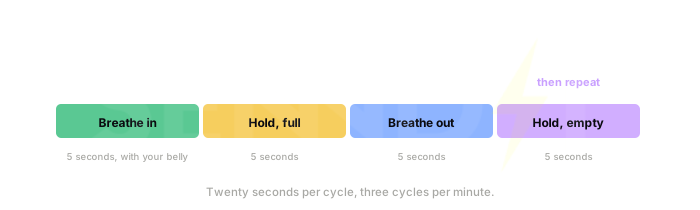
So it’s called diaphragmatic breathing. And by doing so, you’re gonna stimulate more relaxed um yeah, hormones. And it’s just you’re going to feel more relaxed and you’re gonna reduce your arousal and you’re just going to be ready to to to get in the zone, get in the flow. Yeah. And we all need this, guys. We all need this.
What I do on the grid, three minutes out
I like to do this with my eyes closed. If you go and rewatch my past races when I was on standing on the grid, I would be like just the 3 minutes before the session like when you are supposed to get into the kart and they show the three-minute board. I’m just sitting there with my visor down and I’m just like with my eyes closed and I’m just breathing.
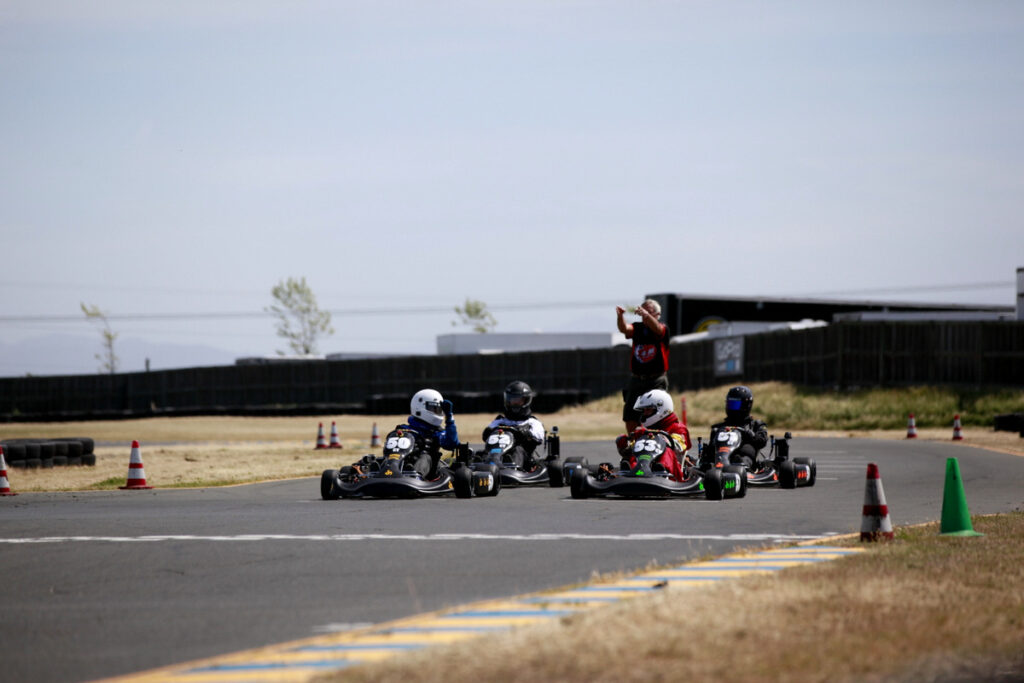
I’m just breathing and then like one minute before I just feel super I just open up my eyes again and I’m just super ready to go. I feel like I’m I’m focused. I have the optimal arousal state. Obviously, if I I don’t feel like if I don’t feel very active, I will not do as much breathing. But if I feel for example too hyperactive, I will do a little bit more.
You know what I mean? That you know, if you are into meditation, those sort of things, you can do also a bit of that before the session. But again, I don’t think you should think about too much about that. Like doing a bit of breathing exercise just right before the session is going to get you into that zen mode, maximum focus, peak performance state.
And I’m sure it’s going to help you so much. Treat this as a menu: pick the ones that suit you, and build a routine around them.
The driver I said all this to last week
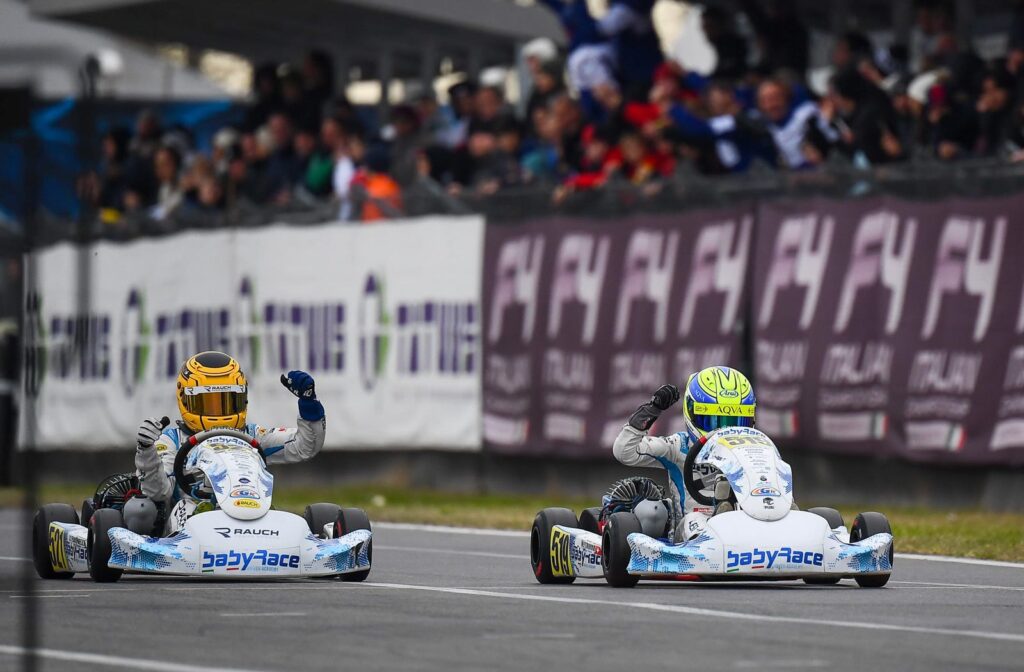
I had a driver um two days ago in in in a race at it’s at Lonato in the IAME series where I was telling him the exact same thing I told him: mate, you are such a fast driver, such a good driver, but you need to try to get more focus before each session because it’s a bit of a roller coaster your performance.
It’s not very stable. Some some sessions you’re amazing, some session you’re driving quite poorly. So, you got to make sure you are all the time at your peak performance state because I think the biggest crime in racing is not being able to achieve your fullest performance, fullest potential basically. uh and and it’s a way it’s a ch it’s a pity to to lose performance because you’re getting distracted because you’re not focused because you’re doing other activities that are not going to help you get closer to your goal which is winning.
So yeah, I hope that you are going to yeah get some value out of it and let me know how it goes.
Related: five pre-race routines, how to hold focus for a whole race day, and overcoming pre-race nerves.
Send your onboard footage. Alessio reviews it corner-by-corner and tells you exactly what's costing you time, and how to fix it. Back within 48 hours.
Get My Onboard Reviewed → Reviewed personally by a CIK FIA World Champion, never an assistant.I promise I'll not spam you with repurposed shitty AI content but real experiences that only I, Alessio Lorandi, experienced. Written in my funny English-Italian tone of voice 😂
Alessio Lorandi is the former CIK FIA World Junior Champion, winning against Lando Norris in 2013 & F3 multiple race winner. He's helped 200+ karting drivers worldwide get faster & win WSK titles with BabyRace Driver Academy & now through Senndit, his online karting coaching platform.