I started karting at 6 years old. I raced against Lando Norris, Charles Leclerc, and George Russell before most people had heard their names. Now I coach the next generation, and I built Senndit to do it at scale.
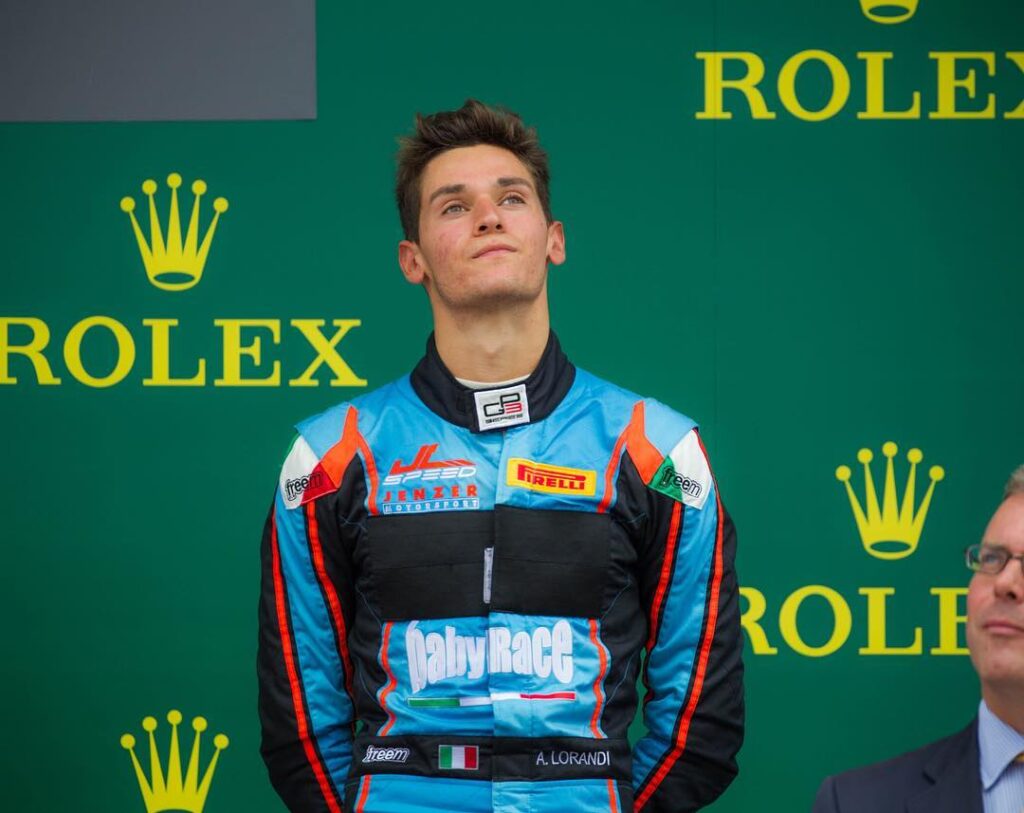
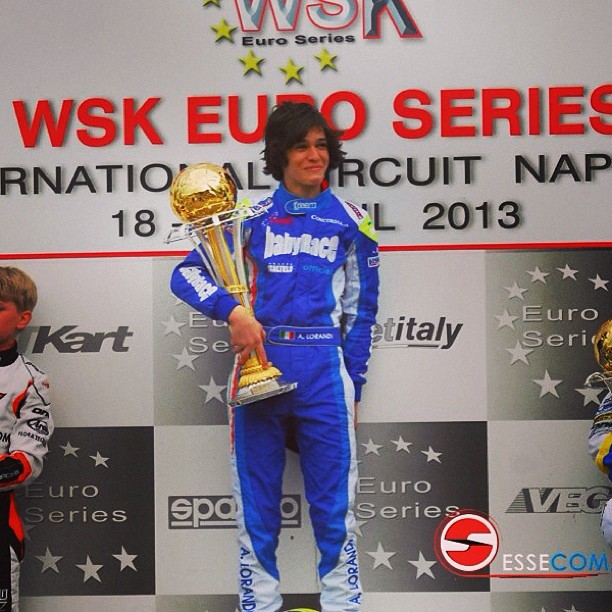
I climbed into a kart for the first time at 6 years old near Lake Garda, Italy. Within a year my father knew this wasn't a hobby, it was a career path. My dad used to race too, so it was a family affair from day one. We started regional championships and I started collecting XP points, corner by corner. Nothing else mattered. I wanted to win, again and again.
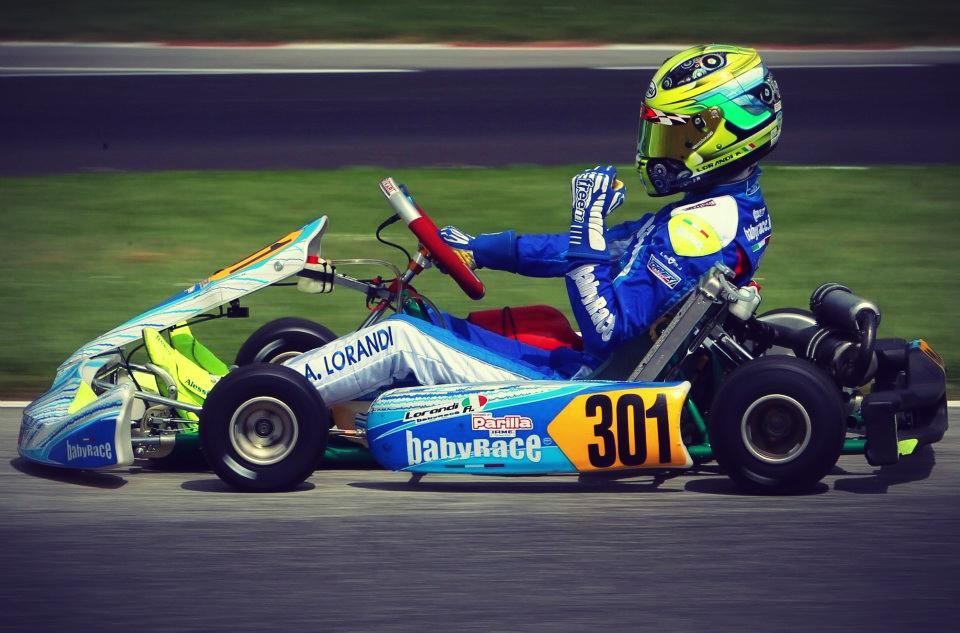
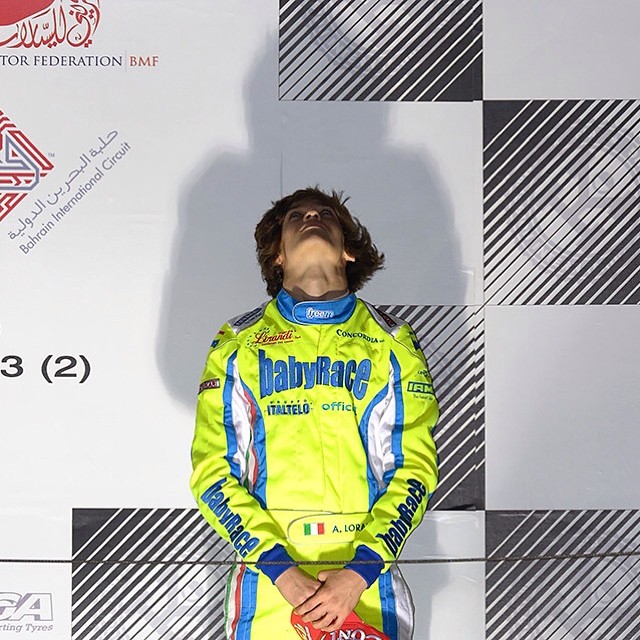
2012, 2013, 2014 were my golden years, winning most races in juniors and being the #1 competitor of George Russell and Lando Norris. We competed together every single week, pushing each other to the limit. I finished those seasons with a positive head-to-head record against Norris. In 2013 I chased the World Championship for three years, and when I finally achieved it in Bahrain, it was a total liberation. It was worth every effort.
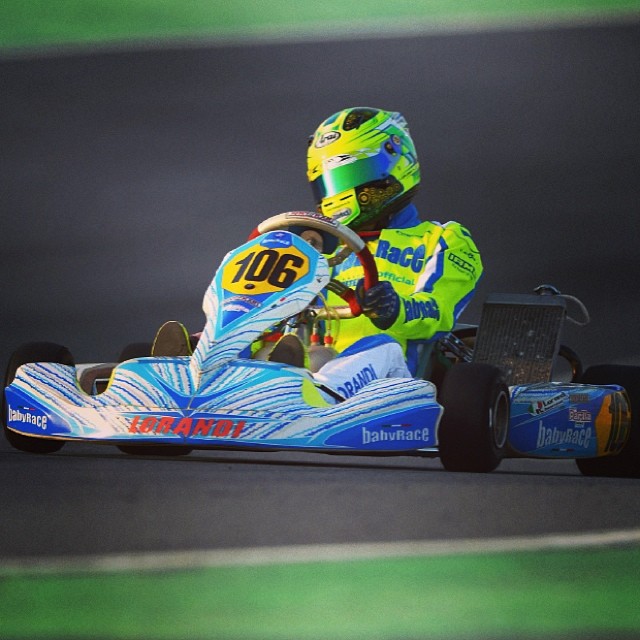
Then it was time to move up to single-seaters and have a shot at F1. I stepped up with Van Amersfoort Racing in FIA Formula 3, the same team, the same year, as Charles Leclerc. Racing alongside a future F1 world champion every weekend accelerated my understanding of the sport in ways that years of karting couldn't. I won races, fought for podiums, including the F3 Pau Grand Prix, and studied the best reference I'd ever had in a data overlay. Most people in the paddock rated me F1 material.
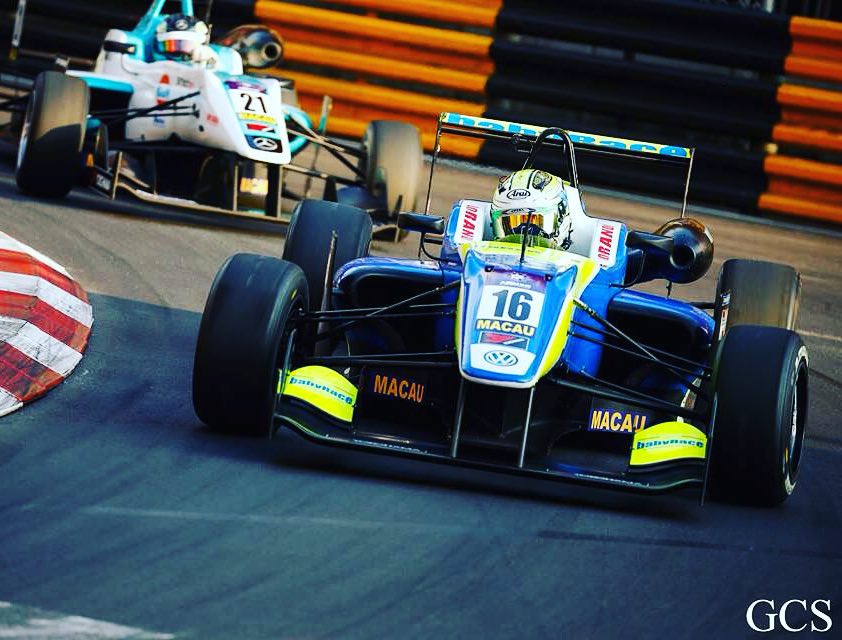
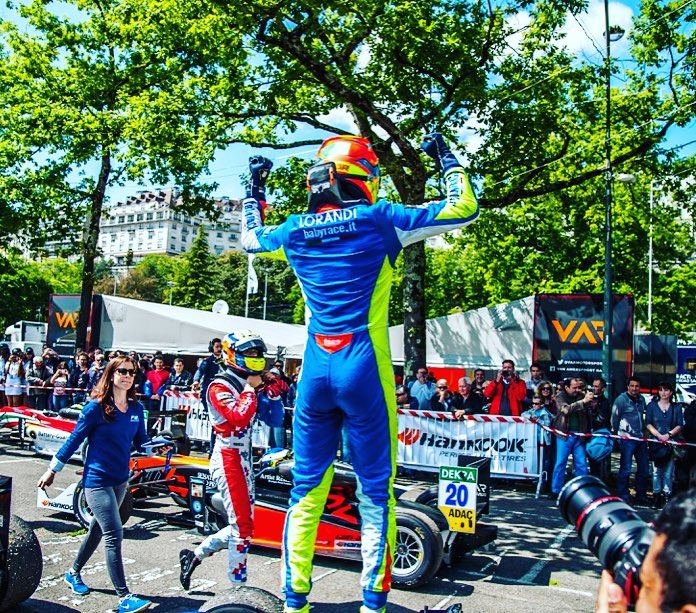
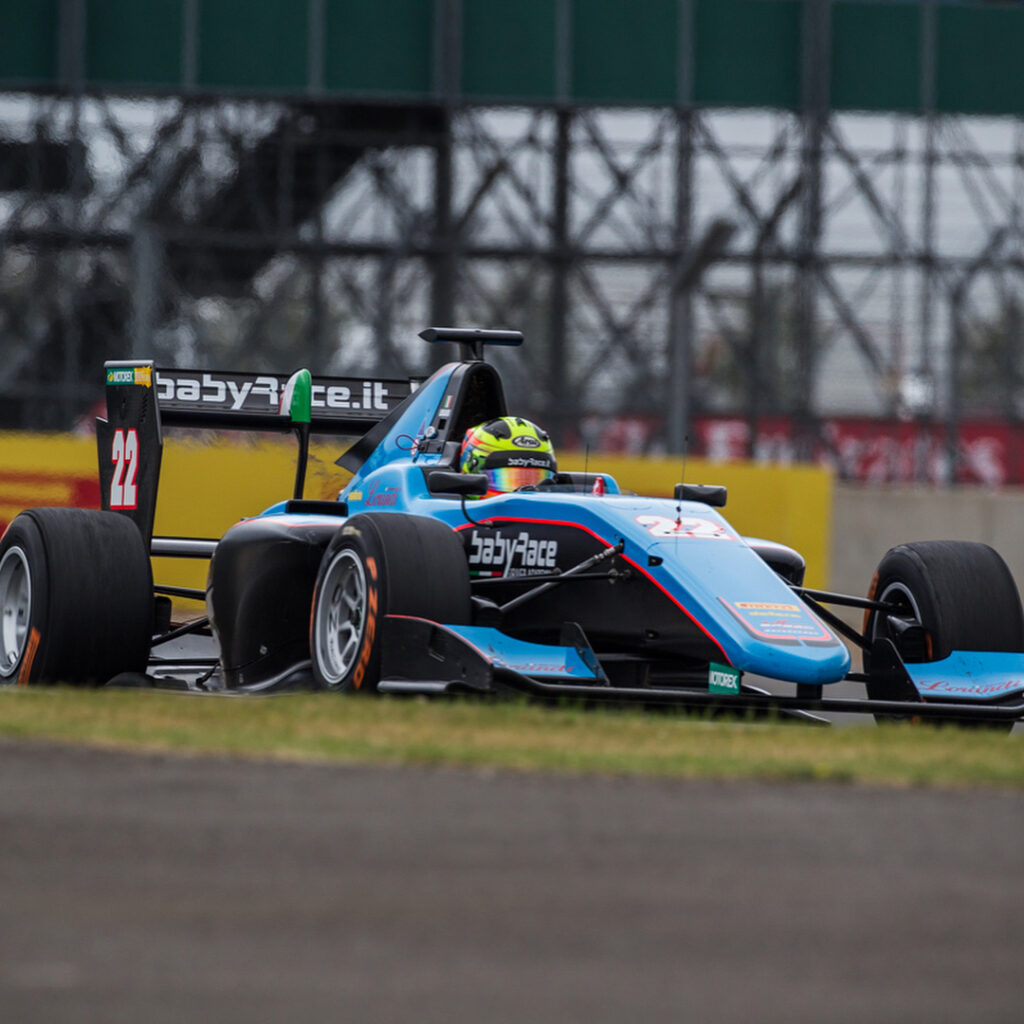
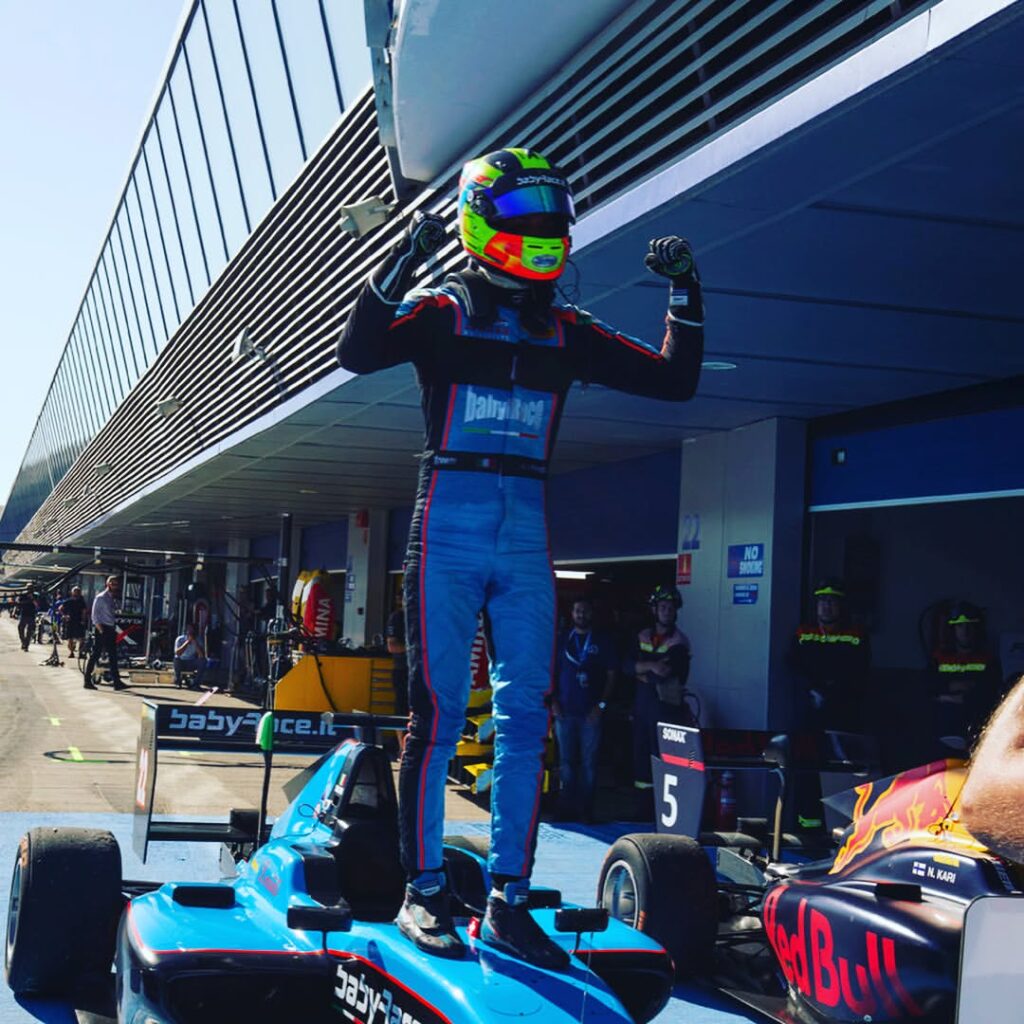
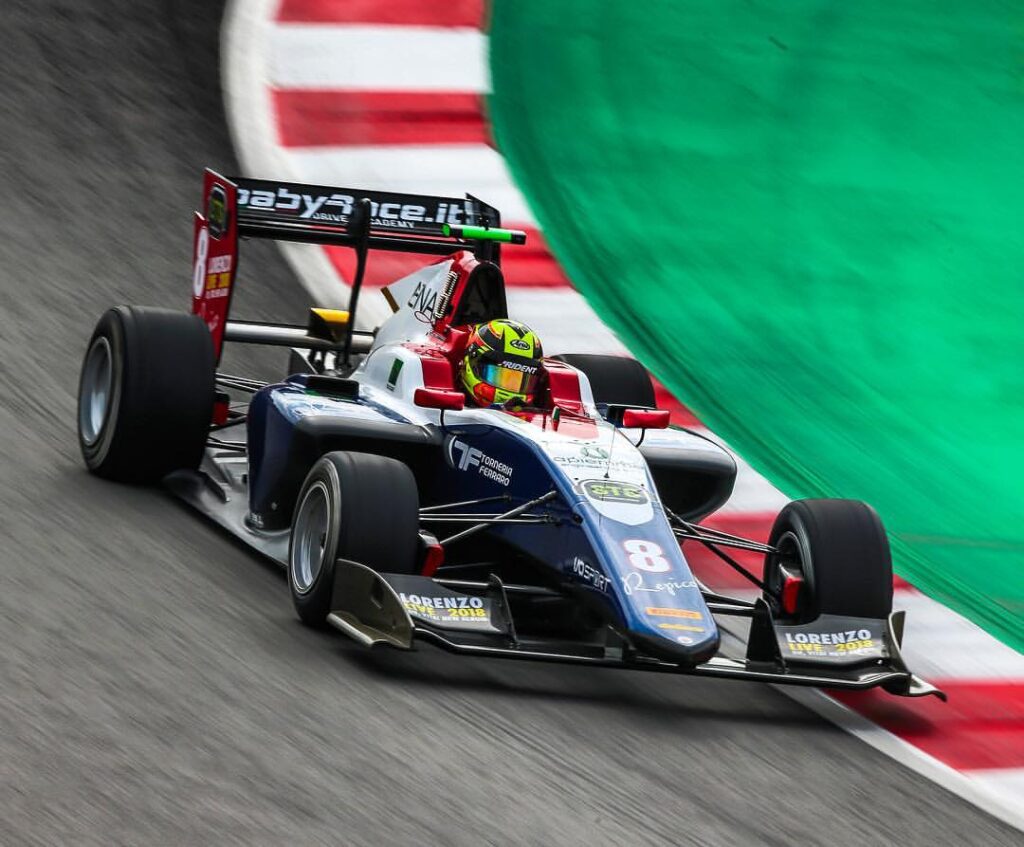
Formula 2, one step below Formula 1. I competed against drivers now on the F1 grid. Unfortunately it didn't go to plan. My formula career brought wins and podiums, but sadly no championships, and that, combined with a lack of funding, erased my chances of reaching F1. Through that frustrating period I learned a ton, and now excel at transferring that knowledge to the next generation. Every defeat became an insight. Every loss became a lesson I now pass on through Senndit.
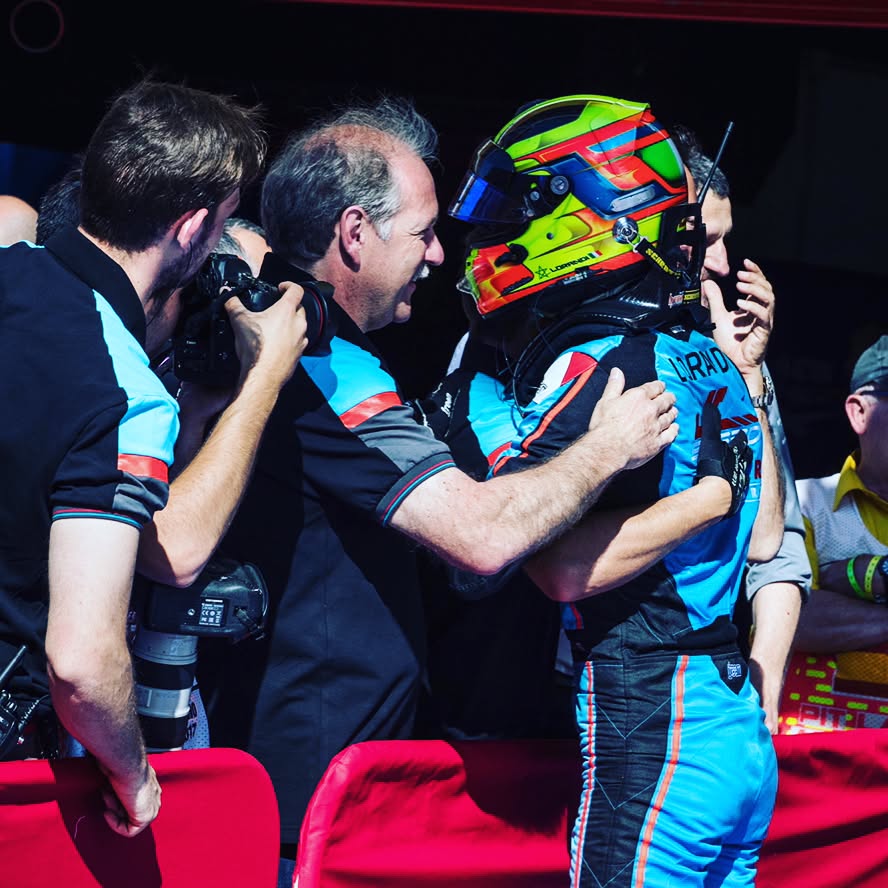
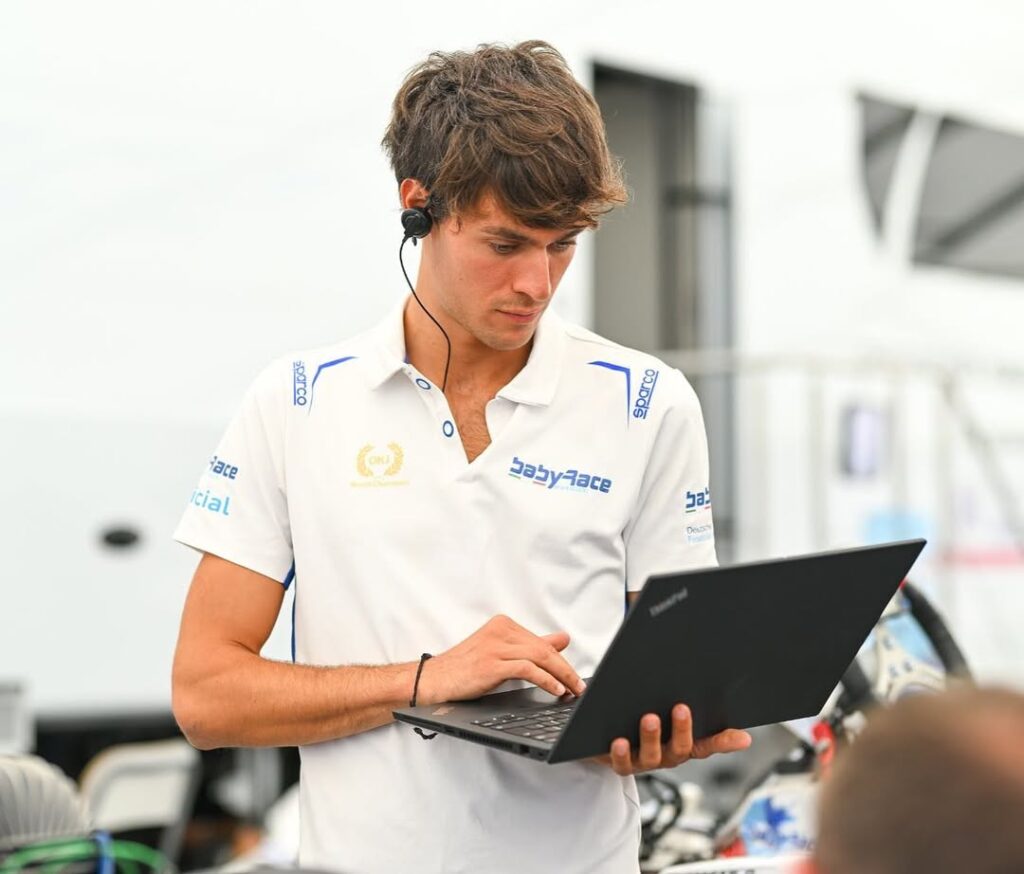
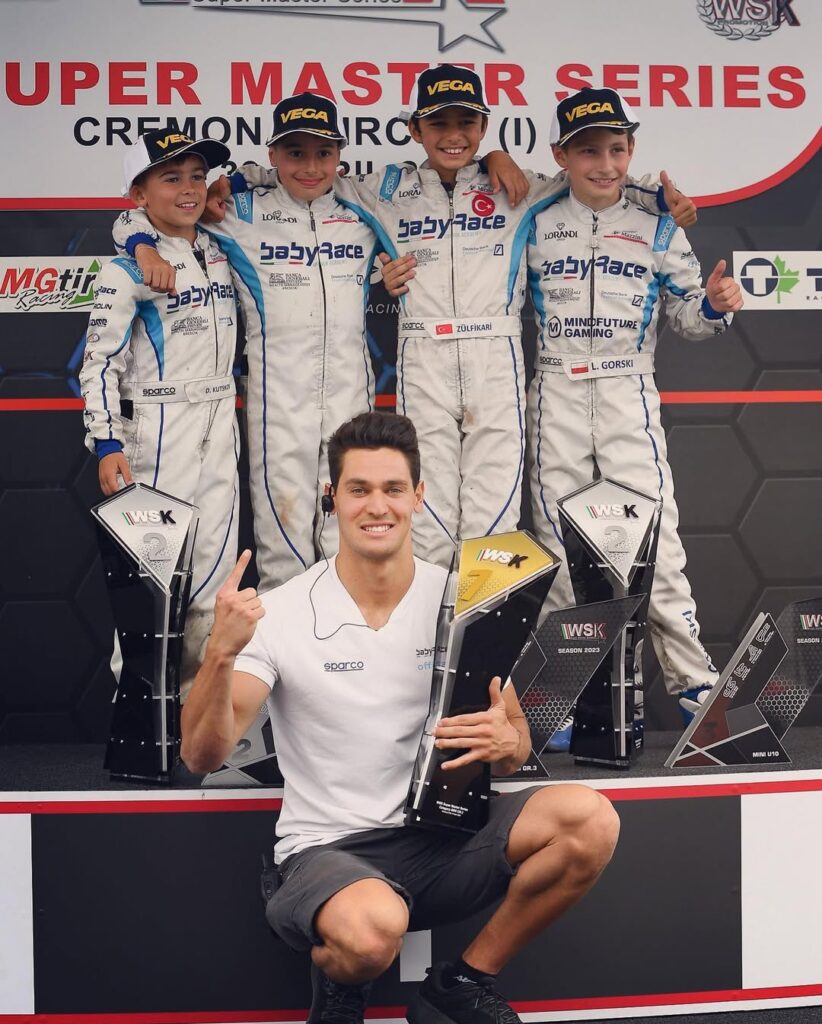
Our work at BabyRace Driver Academy has brought tremendous success. 29 WSK titles, 10 ACI CSAI titles and 12 WSK superstars raised in the last 5 years alone. Lammers, Pesl, Martinese, Zulfikari, Walz, Gorski, Calleja, Ratajski, Di Pietrantonio, Frasnelli, Robertson, and Tamm. We took them from being good to great. From just being fast, to winning WSK titles. I can now pinpoint exactly where and why drivers are losing time, both in driving and in setup, allowing them to improve immediately, smash their PBs, and start winning races.
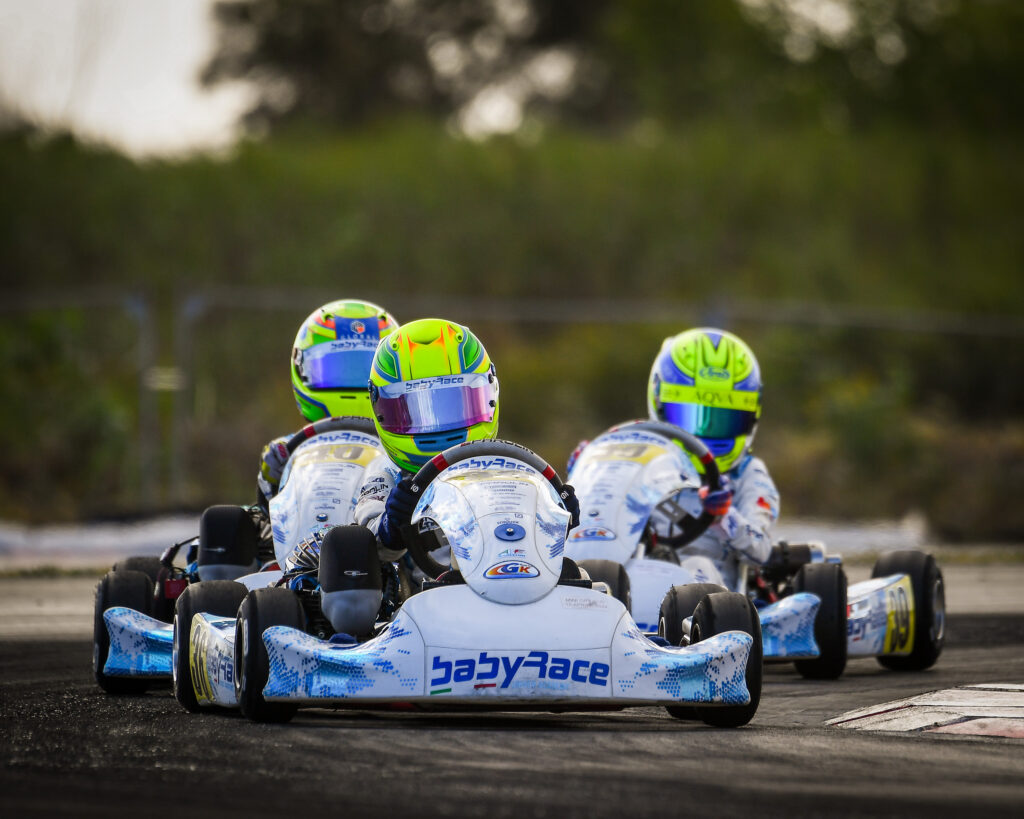
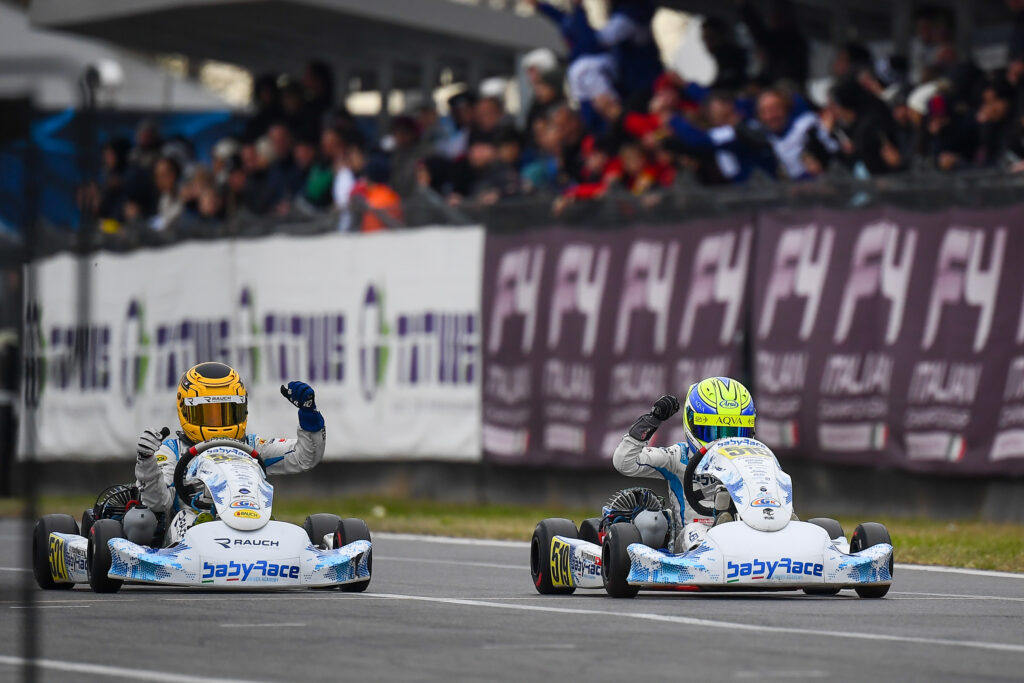
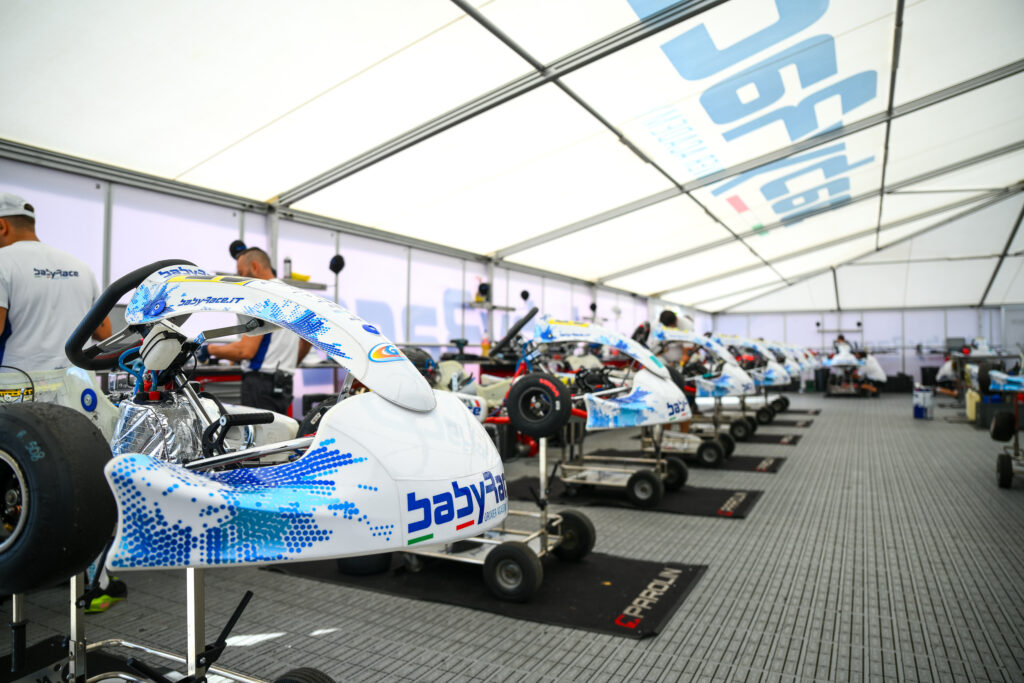
I've been in this sport for more than 20 years now. Even when I'm sleeping, my brain isn't resting, it keeps thinking of possible ways to go faster. I just can't stop it. Life wouldn't be the same without racing. It goes through my veins. All that adrenaline, all that passion. It's in my DNA. I will continue to push myself to find every new possible way to make drivers go faster. To find more lap time and win more races. I look forward to winning more races and helping drivers become the fastest version of themselves. Keep pushing. Keep sending it.
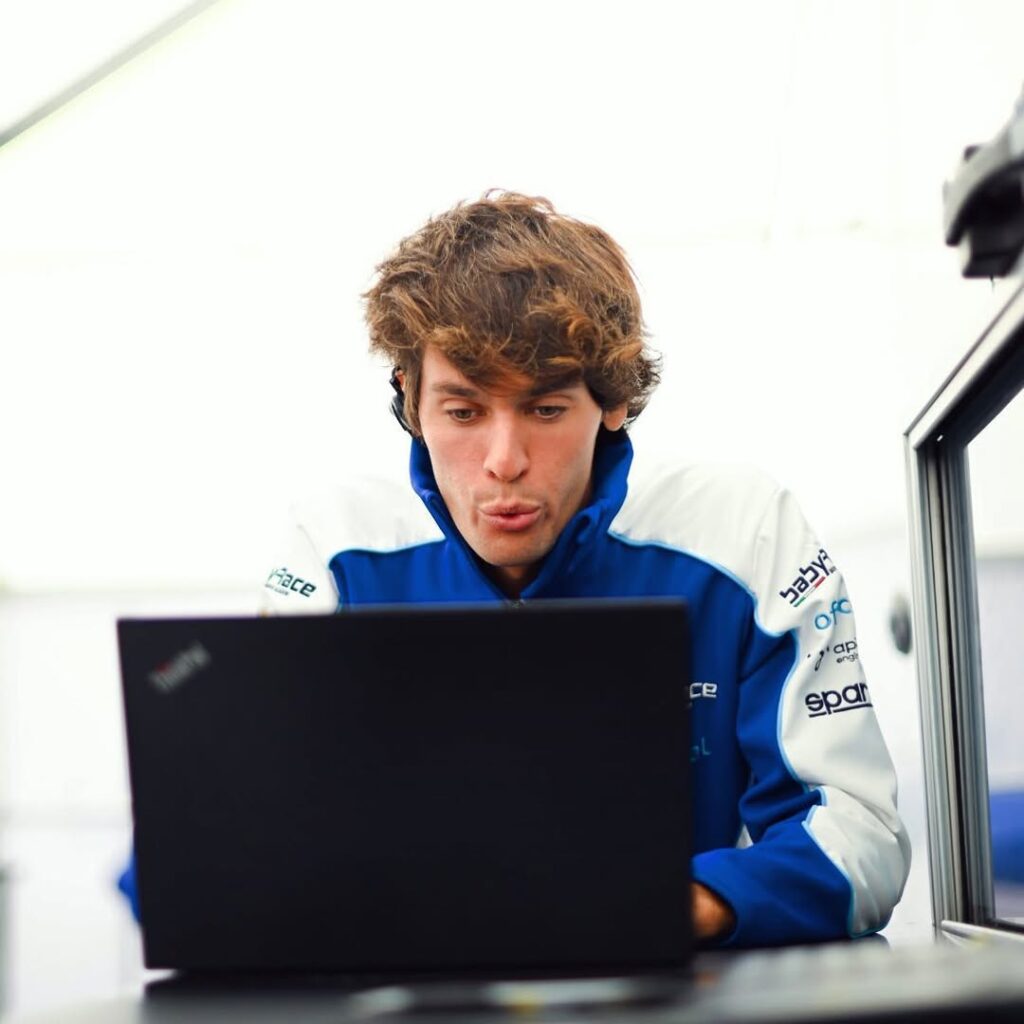
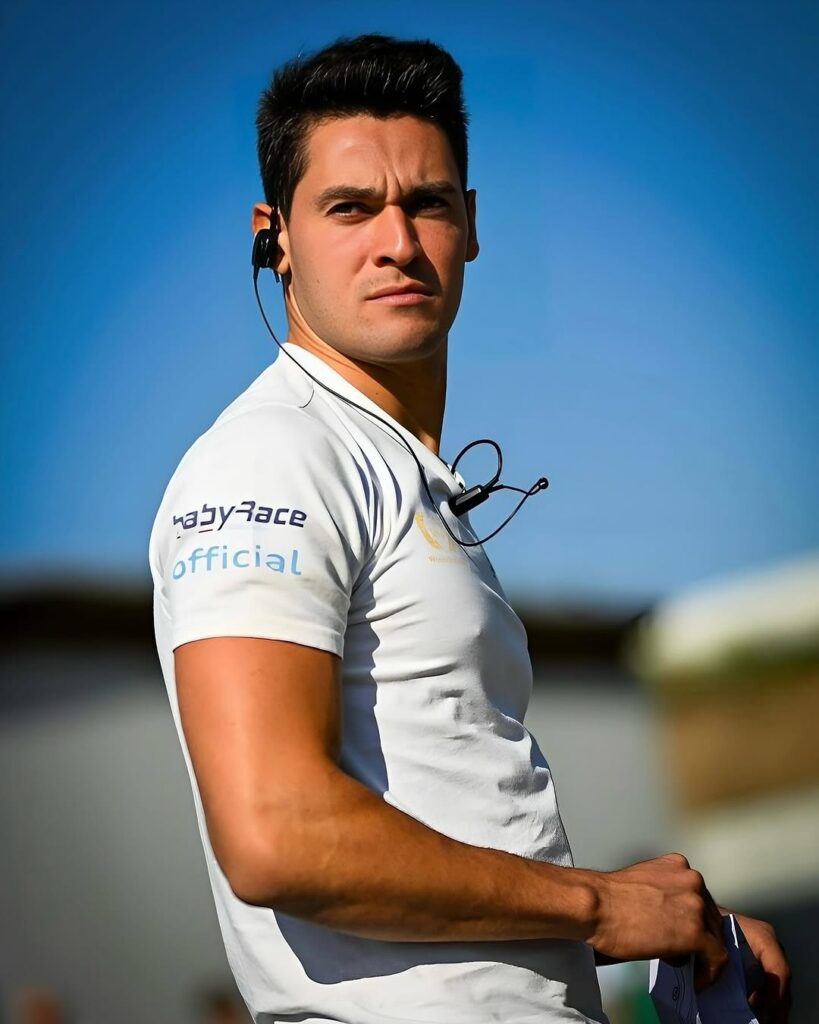
I coach the way I was never coached. Most karting advice is either too generic to be useful or too guarded to be honest. The coaches who knew the real secrets kept them for their factory drivers. Everyone else got the surface-level version.
At BabyRace and on Senndit, I operate differently. I say the uncomfortable things. I tell parents when their driver is underperforming relative to their potential. I tell drivers when their mindset, not their technique, is the real problem. I share the exact mechanical setup knowledge that most teams gatekeep.
I believe: the experience gap is real, preparation quality, not raw talent, wins races. Overpushing mistakes are good, if a driver comes back from practice with a clean kart, they weren't pushing hard enough. And mental telemetry matters more than data telemetry, the ability to analyse your own driving in real time is what separates self-sufficient champions from drivers who always need a faster teammate to show them the way.
Karting parents deserve honesty about what it actually takes. The path from regional karting to professional motorsport is brutal, expensive, and uncertain. I won't pretend otherwise. But I'll give you every tool I know to maximise your driver's chances.
"I wrote this content for the 8-year-old version of me who wanted to know all the karting tips and tricks to increase the likelihood of winning races and progressing all the way to F1. Maybe with this knowledge I would have had a bigger chance.", Alessio Lorandi
"If a driver comes back to the tent after a practice session with a clean kart, it means they weren't pushing hard enough. I want the grass on top of it.", Alessio Lorandi, BabyRace Driver Academy
"Even when I'm sleeping, my brain isn't resting. It keeps thinking of possible ways to go faster. I just can't stop it.", Alessio Lorandi
2013 CIK FIA World Junior Karting Championship, the pinnacle of international junior karting, beating the next generation of F1 talent.
Competed in FIA Formula 2, one step below Formula 1, racing against drivers now on the F1 grid.
Raced alongside the future Ferrari F1 driver at Van Amersfoort Racing in FIA Formula 3, same team, same year.
Finished with a positive head-to-head record against Lando Norris across their overlapping international karting seasons.
Co-founder and manager of BabyRace Driver Academy, the most successful WSK team of the last five years with 29 championship titles and 10 ACI CSAI titles.
BabyRace Driver Academy was featured by The Washington Post. Imagine Entertainment is developing a TV series around the team.
I kept seeing the same thing. Families spending €30,000, €50,000, €80,000 a year on karting, new chassis, new engines, premium tyres, and finishing in the same position as the year before. Not because their driver lacked talent. Because nobody was teaching them the things that actually make the difference.
The entry technique that Schumacher built his career on. The braking framework that finds two meters of lap time in a single session. The chassis checklist that uncovers a seized bearing costing four tenths for three months. The racecraft rules that separate drivers who win from drivers who are always almost winning.
This knowledge exists. It's been in the paddock for decades. The problem is that it's been gatekept for factory drivers and their teams.
Senndit changes that. Everything I know, 21 years of competing and coaching at the highest level, available to any family who takes karting seriously. Not as a watered-down YouTube tips video. As the real thing, delivered the way I'd deliver it to a BabyRace driver.
Start with the free 7-day video challenge, or go straight to an onboard video analysis and find at least 0.2 seconds in 48 hours.