Here’s When You Should (And Shouldn’t) Look In The Back In A Race
Have you ever heard your mechanic or your dad or your coach telling you, Hey, man, don’t look back, just look ahead. You know, this is exactl…


Have you ever heard your mechanic or your dad or your coach telling you, Hey, man, don’t look back, just look ahead. You know, this is exactly what I tell my drivers at BabyRace and here at Senndit. Because the reality is that as we pick up this habit early on in our careers, we struggle to get rid of that, and we really need somebody to tell us what to do.
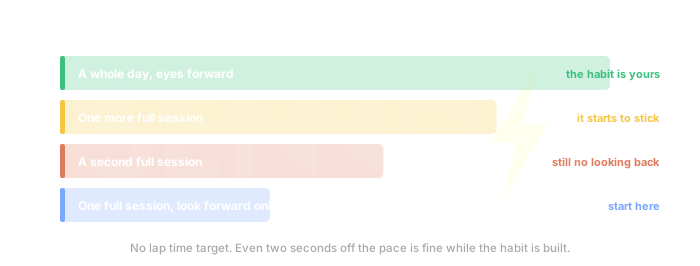
- Do a whole session, then a whole day, without looking back — ignoring lap time entirely. That is how the habit breaks.
- Have your mechanic hold you to it. With no lap-time expectation, the only job is the habit.
- Never look back is bad advice. Lap one, lap two, the last two laps and genuine traffic all justify it.
- Looking back costs focus. The apex you miss right after is the real price.
- It tells the driver behind you are afraid. I have won races off exactly that signal.
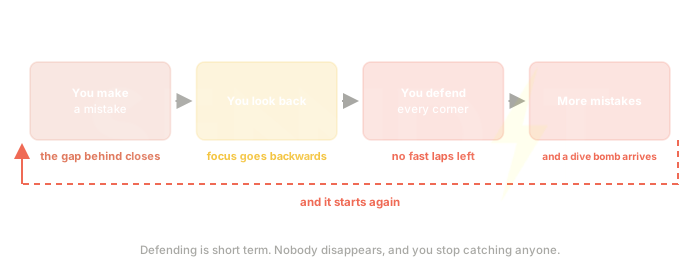
- Defending is short-term. They do not disappear, and you stop being able to catch anyone.
- You cannot stop a dive bomb. Control what you can control and drive your race.
- Ninety percent of the times a driver looks back, it is useless. The other ten percent decide races.
- The drill that actually breaks the habit
- Why the mechanic has to hold you to it
- When I look back myself
- The laps where looking back is correct
- Why never look back is bad advice
- What to do instead in the middle of a race
- The focus lag it creates
- The vicious cycle of defending
- So why do drivers look back?
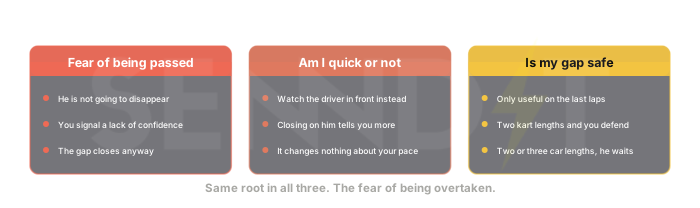
- Reason 1: fear of being overtaken
- I have used that signal against people
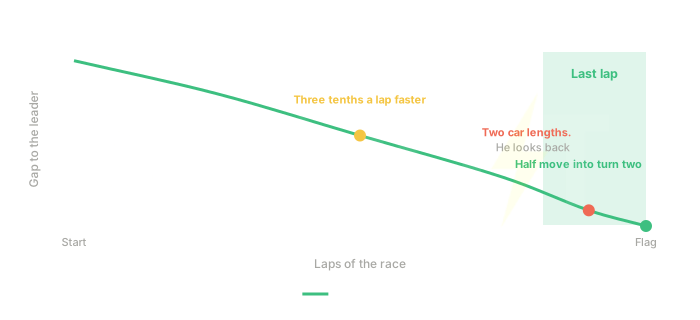
- The WSK last lap I won because he looked back
- Reason 2: wanting to know if they are fast
- Reason 3: checking whether the gap is safe
- The best war is the one you never fight
- You cannot control a dive bomb
- Control what you can control
- Ninety percent of looking back is useless
- Brake-checking races are getting worse
- You are signalling that you are afraid
- The zebra and the lion
The drill that actually breaks the habit
And I have found a solution for that. I mean, one of the only ways I figured out to fix this problem, which, again, is very common among drivers, and again, sometimes it may have happened to me in the past, it did happen to me. I mean, I was not immune to this, and I had to swallow the medicine, and my mechanic basically had to give me the reality check.
And it was like, you know, if you want to be a professional driver and if you want to win races, if you want to win races, you can’t keep looking in the back. And that was a bit of a reality check. And I found, to be honest, way more powerful approach. And that is, for example, to tell the driver, okay, so for the next session, this is what I tell the driver for the next session, you do not focus on anything else besides trying to look forward every lap, even if somebody is trying to pass you, even if somebody is closing up, even if you’re two seconds off, I don’t care.
You just focus lap by lap to build a habit of looking forward. You don’t care if you miss the apex. Don’t care if you’re off the pace. Don’t think about it. Only look only think about that. Only look forward. I want you to do a full session without looking backwards, and then we try another session full without looking backwards.
Now we do one more session, and then we do the whole day like that without looking back, and you’ll see that. I mean, you start to pick up better lap times more consistency. You build more confidence. So this is my exercise for all the drivers that have this sort of bad habits.
Why the mechanic has to hold you to it
But obviously, if you have a coach that is working with you one on one, or if you have a mechanic, then they can look at you. It’s easy to, you know, it’s easy for them to spot you and just look at you. But the problem is that if they have, for example, in my case, I have to work with a lot of drivers at BabyRace, you know, it’s not easy to maintain, to see whether you maintain the promise or not.
I can’t look at just one driver. And I mean, I got two eyes and two eyes. I need to spread them around for 10 drivers or so and and so I need to always do this when I have just a couple of drivers or, I mean, we rarely have couple of drivers, I normally suggest the mechanic and driver to make this kind of deal, and the mechanic has to basically be accountable to the driver whether he did it or not.
But it works wonderfully well, in my opinion, because the driver understands that. Okay, you know, somebody’s watching me. They have no expectations about my lap times. They have no expectations about my performance. They don’t want me to hit the apex like they’re happy if I’m slow, no problem. So the only goal and task right now is to break the bad habit of looking backwards and just build a new habit of looking forward.
And once, you know, a kid understands that, even adults, to be honest, not just kids, once people understand this, it’s going to be, it’s going to be a new habit being built. And yeah, I mean, it’s just going to be second nature afterwards, in my case, it’s become second nature, and it works wonderfully well in my case.
When I look back myself
And when I am testing on a random day, I’m just looking never, never looked in the back unless I have to roll and I need to get the space from the drivers in front that maybe are going to be holding me up. So I’m going to roll properly, and I want to do that in a way that I’m not going to get passed by drivers behind.
So you know, when you want to roll, but you don’t want to get passed by other slow drivers, because then what’s the point of rolling if you’re going to get again behind slow drivers. So in that case, I do that otherwise, if, I’m just randomly testing, why would I do it if I’m at the race? Of course,
The laps where looking back is correct
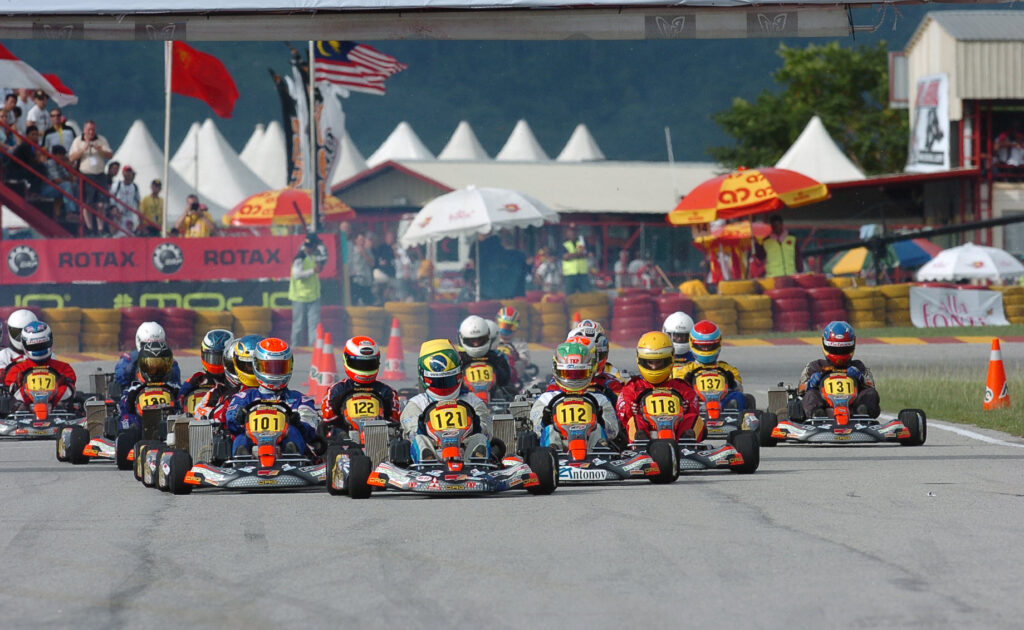
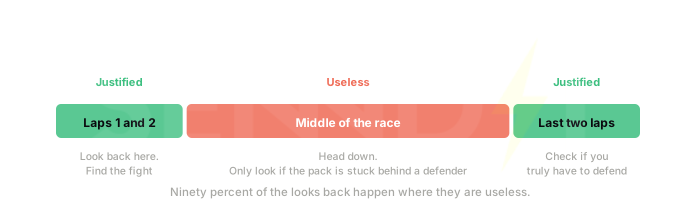
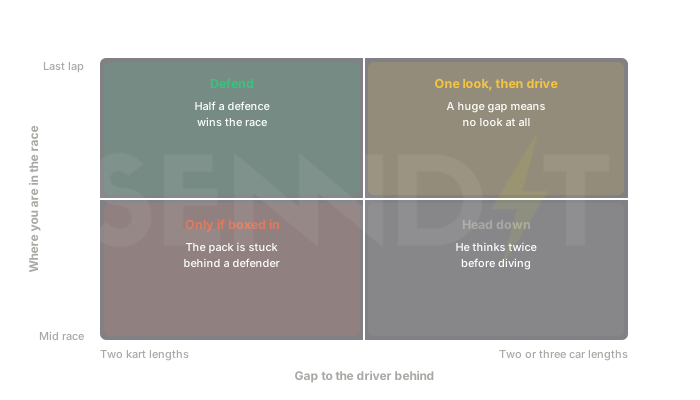
lap one, lap two, and last lap and second, last lap makes sense. Look in the back. I mean, of course, there needs to be the reason in the last lap. If everyone is telling you there is a huge gap and you’re leading the race, you do not even need to look in the back. But yeah, yeah, in the middle of the race, sometimes it feels like, Oh, I’m tempted to look in the back.
I want to see where the others are. The reality is you should not even look. I mean, you should just do that when the drivers are defending in front of you, and you feel like you gotta defend as well, because if they are defending in front of you, and you are not able to pass them, if you’re not defending, you are going to get passed by the driver behind.
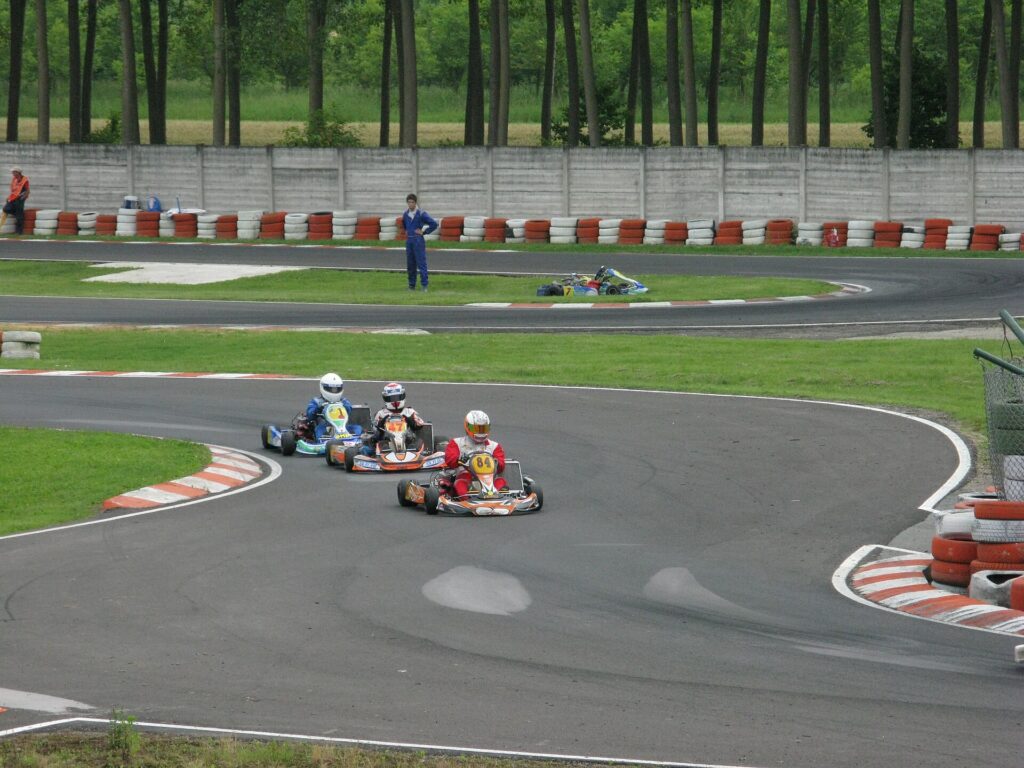
And so in that case, it makes sense to know where the others are around. You’re like,
Why never look back is bad advice
I hate the common advice of just you never have to look in the back. That’s wrong advice, because you do have to look in the back, but only at the right times. That is the reality. You can’t just say, oh, never look in the back. When I hear the coaches mechanics saying this, it’s I just cringe, because I’m like, What the hell it’s not true.
I mean, what if you’re in the last lap of the race and you’re leading, and if you don’t defend in the last corner, somebody is going to dive bomb into you and it’s going to pass you, or maybe it’s going to take you out, because, you know, you didn’t even defend, and only half a defence would have given you the win easily.
So I mean, yeah, you got to look in the back when you need it. But the reality is that look in the back on lap four, if nobody’s defending in front of you, and you’re just like, whether you’re fast or not, if you look in the back, it’s not gonna be like, Oh, the guys are gonna disappear. They’re gonna stay there.
What to do instead in the middle of a race
Your only focus has to be on putting your head down and trying to deliver the best lap times possible, doing every single corner as well as you possibly can. And you will see that by doing so you will, I mean, gap the others right behind you, and you are just going to pull away from them and and you’re gonna catch the drivers in front, if you have anyone in front, and you’ll see by doing so repeatedly, you’re going to build this habit, you’re going to build the confidence.
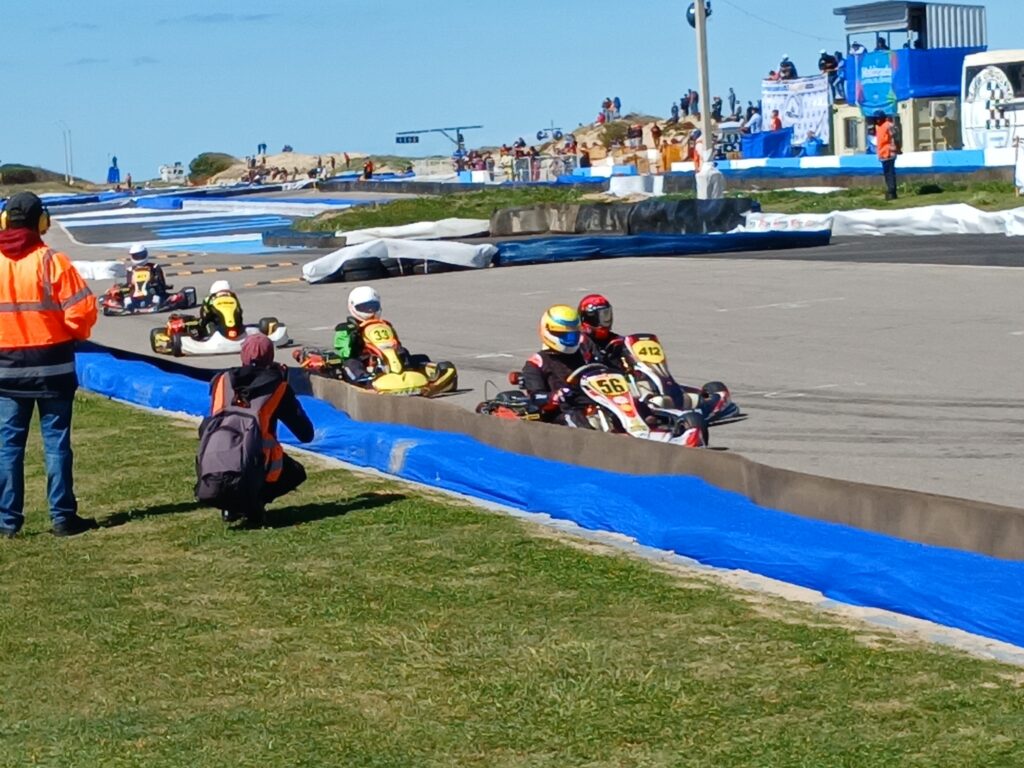
You’re going to be, you know, getting even better pace, because that’s the reality. When you’re looking forward, you’re not losing the focus. Because when you look back too often and again, for no reasons, unless it’s the last lap, even the most experienced drivers lose the pace and lose the focus, even so slightly. I’ve seen so many times
The focus lag it creates
kids looking in the back and then missing the next apex, or looking the back and then forgetting to using the track on the entry, you know, because you fractionally remove the focus from what’s ahead of you to what’s behind, and then once you look back in the front, you are essentially having a, yeah, a little bit of a time lag where you have to kind of reset your your focus.
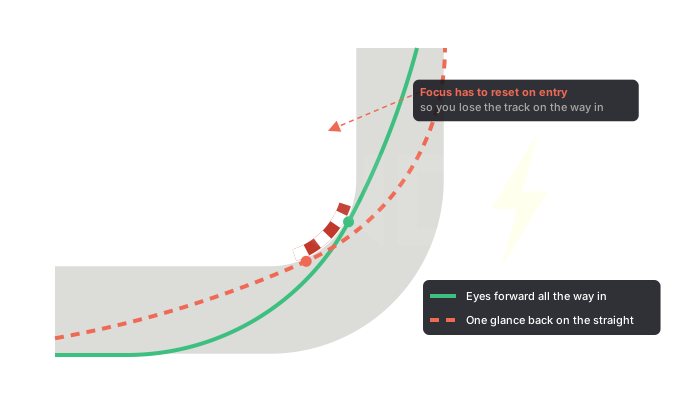
And it’s not good, because when you arrive into a corner, you got to have Max focus. Have Max focus. And yeah, it’s true, you should be able to do corner almost like with closed eyes, for how well you have trained that track specifically, and you have built a muscle memory with repetition, with visualization, etc. But the reality is that, I mean, yeah, it’s just, it’s just going to be giving you worse lap times, and it’s going to give you more mistakes, essentially, looking in the back too often.
But still, you have to do it when, when you need it in, in the first lap or last laps, etc, or in the very high importance laps, like where their stakes are so high, again, there’s like, a massive fight group in the front, in the back, you got to make sure you are aware, situationally aware, of what’s around you, because if you don’t, I mean, yeah, the whole group is going to overtake you.
And, I mean, it’s just you got to know when, when the drivers are right behind you. And you’re like, it’s a high risk situation, and you need to close, otherwise, if you don’t close, you’re going to get passed by five drivers. And I don’t want you to be like, Oh, but
The vicious cycle of defending
Alessio told me that I shouldn’t be looking in the back. That’s bullshit. I mean, you should look in the back when you need it, but if you make a mistake, and you have six drivers behind you, well, you know, you could say, well, I need it, because if I, if I don’t do that, I’m gonna get past. Well, you can do that, I mean, but if you keep doing mistakes, and you could keep looking in the back, and you keep defending, because it’s like a vicious cycle that it’s never gonna end, and you keep getting worse, and at some point, some driver behind you, even if you defend, because you keep looking the back, they’re gonna go inside of you, make a dive bomb, even if you’re defending, maybe gonna crash into you, but that’s gonna be your fault.
I mean, I’ve had, I’ve seen this happening also myself once where I was like, you know, I gotta defend, I gotta defend, I gotta defend. And then I was like, oh, somebody drove over me. Imagine, I mean, he gets frustrated when you see somebody defending every corner. It’s so frustrating. It happens to me. I mean, it’s like, at some point you just feel like taking that bumper penalty and taking that whatever penalty you built, and just feel like smashing the guy in front.
I’m not saying you should. I didn’t say at some point you build so much frustration inside of you that it feels like doing that. It’s not right to do that, and you shouldn’t. But you get my point. So you do not want to build that kind of frustration. I understand that if you’re struggling in the last two laps of the race, you have some sort of technical issues, or you just have zero pace for whatever reason, and you need to bring that home in the last two laps.
It makes sense to do that. I give you the green light for, you know, looking in the back and defending but again, it has to be for justifiable reason, if you just do that because you made a mistake, and then you keep doing mistakes because you keep looking the back and you can’t escape that. Never end deal. Never ending cycle.
Well, that is not how you learn to drive. So, yeah, we just said how looking in the back is so bad for your results.
So why do drivers look back?
Now let us address the real reason drivers look back. Now, there are many, many reasons why drivers look in the back, okay, the the main ones, which, to be honest, are three or four. The main ones are this. So
Reason 1: fear of being overtaken
the number one is because they are afraid of being overtaken. So the number one reason is because they’re afraid of being overtaken the race. I mean, like, if you have nobody behind you, and you know that because your mechanics are telling you there’s a massive gap, most of the times, the kids are going to follow the instructions and they’re not going to look in the back, because they know that there’s a massive gap.
So I mean that fear of being overtaking is taken out of the equation. So it makes sense that when, when there’s like, a lot of gap, you know, the driver is relaxed. But when there is no gap, and when you’re afraid to get overtaken, especially when you know it’s like a weekend where you don’t have so much pace, or it’s like you’ll be struggling with pace lately, or the kart is not performing, or you are not performing.
It’s like you don’t have too much confidence in your package and maybe in yourself. And then in that case, you’ll start to see that the body language of the driver is going to start to look in the back more often because it’s afraid of being overtaken again. It’s again, a short term decision, because if you’re afraid of being overtaken and you look in the back, that’s not going to help you, because you are again, the driver behind is not going to disappear, and you’re actually going to give him the the signal, the body language signal, the psychological signal that you are afraid of him and that you are afraid of being overtaken.
You are signalling your lack of confidence in that moment. And
I have used that signal against people
I have used that so many times to my advantage, like when I saw I was behind a driver in front, well, I was behind a driver. And when, for example,
The WSK last lap I won because he looked back
at one WSK round I closed up on the driver in front, but he was, like, the the second last lap of the race. And I know that. I knew that if he didn’t do a big mistake, it would have won the race, and I would have finished p2 because, I mean, I would have, I was running out of laps.
I didn’t have the chance to really attack, but, but I remember very well. The the mechanic from the from the grandstands basically gave him a signal to push very hard, because he knew I was coming so fast behind him. I was P2, he was P1. And, I mean, he looked in the back, and when he looked in the back, he realized that was right there, like two car lengths behind beginning the last lap.
And he was like, all the race, driving alone, basically no, no real threats from the back. But then I came so much faster, three tenths a lap faster, that the whole race, I just closed up, and in the last lap, I closed the gap, and I just went for it. But the moment I saw him look back, he was like, I could feel like he lost some confidence, and I could feel he was quite afraid of being overtaken.
And that’s when he started to do some crazy things, like half moves here, half moves there. And then I just sent it where he made a half move, and I got him into turn two, and then won the race. But again, yeah, number one is because drivers fear of being overtaken.
Reason 2: wanting to know if they are fast
So number two is because they want to know if they’re fast or not. Really, it’s like crazy. I see so many times kids and hear from kids that tell me this. It is a bit of a joke, but it’s, it’s true to them, like many of them relate to this. Many kids look in the back because, or even adults, to be honest, we look in the back.
Or, to be honest, I think I made the same mistakes, and not to make fun. But I mean, they tell me that they look in the back because they want to figure out whether they’re fast or not. It’s like, it’s a way for them to assess their pace, you know. But I’m like, Mate, shouldn’t you just look at the driver in front and understand if you’re closing up or not, whether you have the pace or not.
So yeah, that was basically it. And they were like, yeah, no, but if I’m closing up the driver in front, I don’t know if the driver behind is closing up either, you know. But I’m like, mate, if you’re closing up on the driver in front so much, you’re probably pulling away from the drivers in the back, you know. And and so that was, like, it was a never ending argument.
And there was, they were like, Yeah, but I want to know whether I’m faster or not. I’m like, mate, who cares? I mean, it doesn’t matter whether you’re the fastest on track or not. Just put your head down and close up the gap to the driver in front, and if the driver behind is quicker, that’s it. No worries. I mean, the goal is that you catch the driver in front, and if the driver in the meantime behind you overtakes you, no problem.
I mean, okay, you wish you didn’t happen. But now let’s follow him, and let’s go to catch the driver in front. I’ve seen so many times drivers, you know, not having the ultimate pace getting overtaken by somebody quicker than them, but then once they got overtaken, you know, they follow Him, and they go to chase the leader, and then they both overtake the leader, and then it’s a one on one, one against fight in the last couple of laps.
And based on experience, even though with little pace, he is still able to win the race. And I think I won a race like that, like long, long time ago in juniors. And those kind of races are the most rewarding because you realize you did the best strategy, and you just, even though you didn’t have the best pace, you just took all your right bets and it worked.
So that is the second reason. So the first one is because they’re afraid of being overtaken. The second reason why they look in the back is because they want to know if they’re fast or not.
Reason 3: checking whether the gap is safe
The third reason is because they want to check the gap to see if they’re safe. So they want to see if, like, you know, if I have a gap that is going to make me safe for the next few laps to not get overtaken. Essentially, it’s still related to the number one reason, which is fear being overtaken. Okay? And this correlates with knowing whether to defend or not.
Because, you know, if somebody needs to defend in the last lap, it makes sense to look in the back. You know, honestly, you got to know whether someone is close enough to you to to have to defend or not. Remember, you don’t need to necessarily defend in the last lap, because if you defend and there’s no need to, the drivers behind are gonna close up on you, and at some point there will be a need.
But as I like to tell my drivers at BabyRace,
The best war is the one you never fight
the best war is the one that you don’t even fight. So the goal is that you don’t even have to fight this war. Okay, it’s really that important. The goal is that you don’t even have to fight this war. This war. And how do you make sure that you don’t have to fight? Well, if you have a gap, and why you should defend?
Because if you should defend, you’re gonna, you know, they’re gonna close the gap on you. So you should defend only when truly needed. That’s reality. And yeah, in the last lap, two kart lengths may be enough, okay? Because the driver may, may attempt a crazy move down the inside because he knows it’s the last lap, halfway through the race, two or three car lengths.
the driver behind will probably think twice before passing you. And to be honest,
You cannot control a dive bomb
if he wants to make a dive bomb, it’s not within your control. If the driver behind wants to make a dive bomb, that’s nothing you can control. If he wants to pass you, let him pass. I mean, unfortunately you cannot control another driver’s decisions. I mean, and because you can’t control a driver decision, you just have to focus on yours.
And if somebody wants to make a crazy, silly move on, you let him. Let them do that. Honestly, you can’t control that. You need to only focus on what you can control. I learned this the hard way, long time ago.
Control what you can control
My coach at a GP3 race in Budapest told me, Listen, Alessio, you gotta focus on what you can control. Control on what you can control. You cannot control if somebody is gonna crash into you. You cannot control the weather. You cannot control what the car breaks down. You can only control what you can control. So, for example, you can control your level of focus.
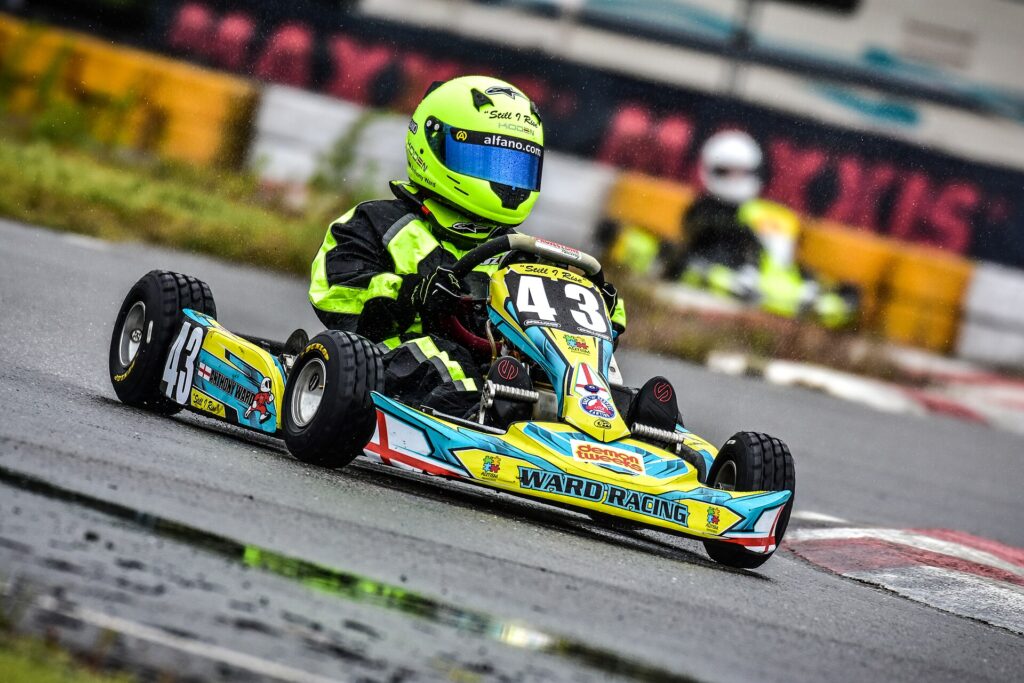
You can control your preparation. You can. Control your fitness. You can control your visualization. You can control how much time you spend on a simulator to practice in that specific track. You can control the data analysis you do. You can control how you brake. You can control how much steering you put. So you can control those things. You can’t control those things that are beyond your control.
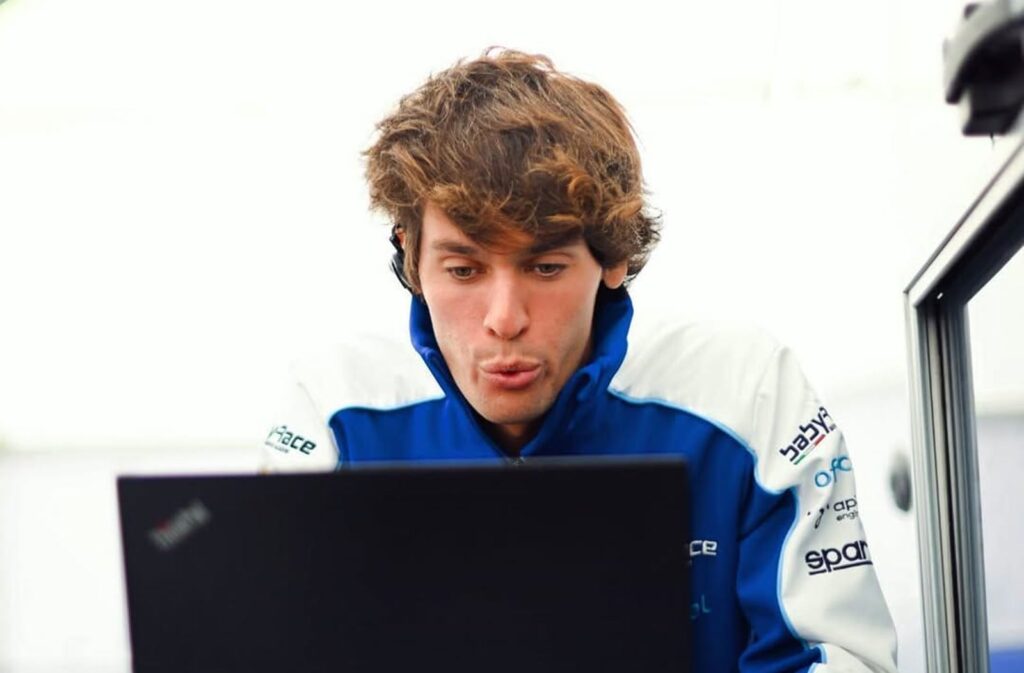
So it was right. And so again, if somebody is far away from you, or like two three car lengths, and he wants to overtake you. Let them do that. I mean, if they drive over you, well, it’s not your fault. It’s their fault. You can’t say, oh, I wish I looked at the back so that I had to defend.
No, because if you reason like that, you will never win a race. You will always be defending when there’s no need, but if you defend when there’s no need, you will never move forward. I mean, you probably agree with me. If you defend, you can’t set fast as lap. You can’t pull away from the others. You can’t close up on the leaders.
You cannot catch the one in front of you. So always remember this. Keep this in the back of your mind.
Ninety percent of looking back is useless
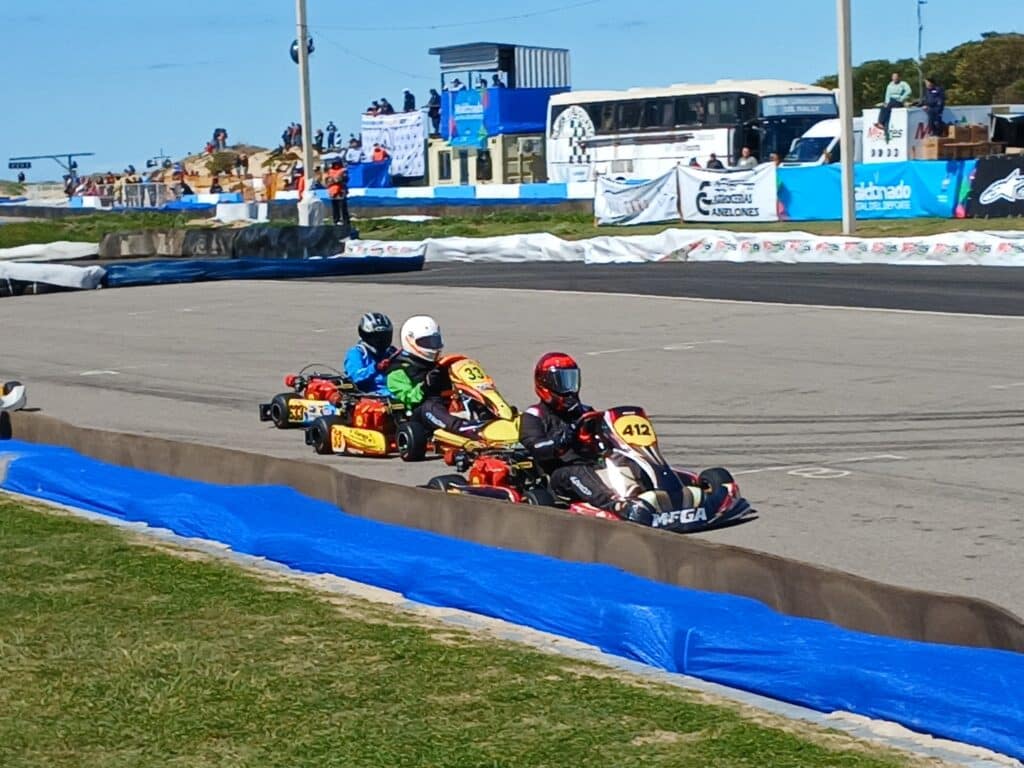
You gotta remember that looking back is essentially bad. Most of the times, 90% of the times, drivers look in the back. It’s basically useless. You need to look in the back only when you truly need it, which is last lap, first lap, sometimes beginning of second lap and sometimes end of the last lap. And then again, if there’s, like, a high, risky scenario in the middle of the race where, or, like, any time in the race where some random driver is defending in front of you, and you can’t get past them for some reason, and so it is bunching up the whole group.
And so you’re like, stuck in this massive field of drivers all attached to each other. And so you got to defend too, because if you don’t defend, you’re going to get passed by everybody but, and so, yeah, that’s that’s basically when you need to I hate those kind of races. I hate them a lot, but what can you do?
It’s sometimes it’s like that.
Brake-checking races are getting worse
I see those kind of races a lot nowadays, in juniors, it’s getting more and more popular this kind of racing. But I hate this. Drivers braking, super early brake checking. I just hate this. It is honestly unsporting. But I see it all the time. Yeah, so just remember, do not look in the back only if you truly need it.
It’s gonna give you less concentration.
You are signalling that you are afraid
It’s gonna signal the drivers behind that you are afraid, that you are, you know, fragile, that you’re not very confident in yourself, that you that moment, you don’t feel very strong mentally. And so for whatever reason, you feel like you have not enough pace, or you feel like not so good with yourself. And if you just look in the back a little too often, they’re gonna start to notice, oh, these guys.
This guy is struggling. I have to pass him as soon as possible. If I am coming up to a driver and is looking in the back, I mean, that’s the first thing I do. I just want to pass him as soon as possible, because I know that he may start defending. So like you looking in the back is actually giving an edge to the driver behind you.
And honestly, I feel the same. If I’m looking the back, I know that I will become more vulnerable. You make yourself more vulnerable. It’s like you are a little prey.
The zebra and the lion
You are a zebra, and there is a lion in the savannah, and you are trying to hide in the bushes. The lion is there, and looking back is what gives you away. It is like calling out – and now the lion notices you, and so you’re like, becoming more vulnerable, and decides you are dinner. Okay, so, yeah, just, just remember, every time you look in the back, you just get more you get more vulnerable.
You get more you know, you lose the focus, and overall, you just start to make mistakes. And you know, most of the drivers, I know, the good drivers, are going to go for you, are going to overtake you as soon as possible. And remember, you looking in the back is not going to mean that the drivers are going to disappear.
They’re still going to be there, man. So just, just focus on what’s in front. And if they overtake you, that’s it. It’s life. I mean, you just focus on driving as well as you can, and as soon as they pass you again, no problem. You just put your head down and yeah, if it keeps up, keeps happening, you got to focus on your your pace, whether you’re driving, on your on your car, etc.
But during the race, I mean, remember looking in the back and then defending is a very short term decision. I just hate that you shouldn’t do that. I hope this was valuable, guys. If you want me to review your onboard video for some quick lap time gains and gains over the over the next few weeks. Sign up, and I will share what I know through an onboard video review.
Otherwise, if you, if you want to join a full program, I got a six months training program that is starting every six months. And yeah, I would love you to to to enroll. But of course, spots are limited. So it’s only 25 spots available in the whole world. And so you should let me know first in my DMs whether you’re, yeah, you’re, you’re still allowed to participate, because maybe it’s already filled up, which normally tends to be the case.
Okay. Otherwise, I hope to hear from you soon on Instagram @alessiolorandi, remember to keep sending it. Ciao.
Related: last lap mastery, why half moves kill your race, and control what you can control.
Send your onboard footage. Alessio reviews it corner-by-corner and tells you exactly what's costing you time, and how to fix it. Back within 48 hours.
Get My Onboard Reviewed → Reviewed personally by a CIK FIA World Champion, never an assistant.I promise I'll not spam you with repurposed shitty AI content but real experiences that only I, Alessio Lorandi, experienced. Written in my funny English-Italian tone of voice 😂
Alessio Lorandi is the former CIK FIA World Junior Champion, winning against Lando Norris in 2013 & F3 multiple race winner. He's helped 200+ karting drivers worldwide get faster & win WSK titles with BabyRace Driver Academy & now through Senndit, his online karting coaching platform.