How Much Does Karting Cost Per Year
Budget matters: karting ranges from €1,200 yearly for casual rental to €250k+ for international racing. Here's where your money actually goes.

- Rental karting: €1,200-€9,000 per year depending on frequency and competition level
- Owner kart club racing: €8,000-€15,000 per year plus €4,500-€6,500 initial investment
- National championships: €30,000-€60,000 per year with proper optimization
- International karting (WSK/FIA): €120,000-€250,000 per season
- Coaching and data analysis provide the best performance ROI versus constant equipment upgrades
- The biggest cost jump occurs when moving from 60 Mini to Junior categories
Breaking Down Karting Cost Tiers
If you came out to me and asked me, Alessio, how much does karting cost per year?
I will tell you that, of course, the estimated costs vary a lot based on the program and intensity of the program itself that you choose to do.
Of course, it depends on several key factors:
- The number of races
- The competition level of the league you choose
- Whether it’s a WSK international event or just a local club race
- Your overall goals for racing
Whether you’re just driving for fun and wishing to win some races locally, or if your chance and goal is to become a Formula One driver, professional driver in GTS or indie cars, and seeing karting just as a stepping stone to get to those to attract sponsors to track F1 academies. Then, of course, the program will be vastly different, and it requires you to just drive internationally in the most prestigious international leagues.
I cannot give a full estimate cost that is a one size fits all, but I will try my best to give a list based on the competition program you are choosing.
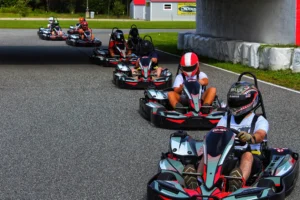
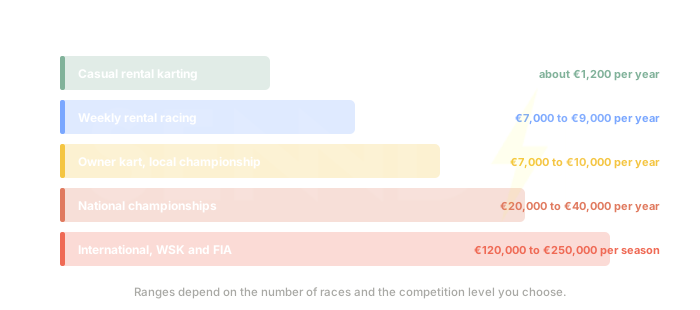
If you just want to do it casually for fun, then rental karts is probably the best choice for you. You can spend up to 25 euros per session of 15 minutes in a local rental track, either indoor or outdoor. Four times per month adds up to about 100 euros per month, totaling about €1,200 per year.
The most professional rental karting approach is to participate in a local race every week somewhere nearby and drive two or three times per week. That may cost you about 150 to 200 euros per week including the race fee etc. That will net to about 600 to 800 euros per month, totaling €7,000-€9,000 per year.
If you want to go into owner karts, you need to buy your own kart first. That is going to be around €3,500-€4,500 for a complete kart package depending on the category. Then you will need safety equipment: helmet, suit, gloves, shoes, rib protector, neck collar – another €1,000-€2,000 depending on how high end you go.
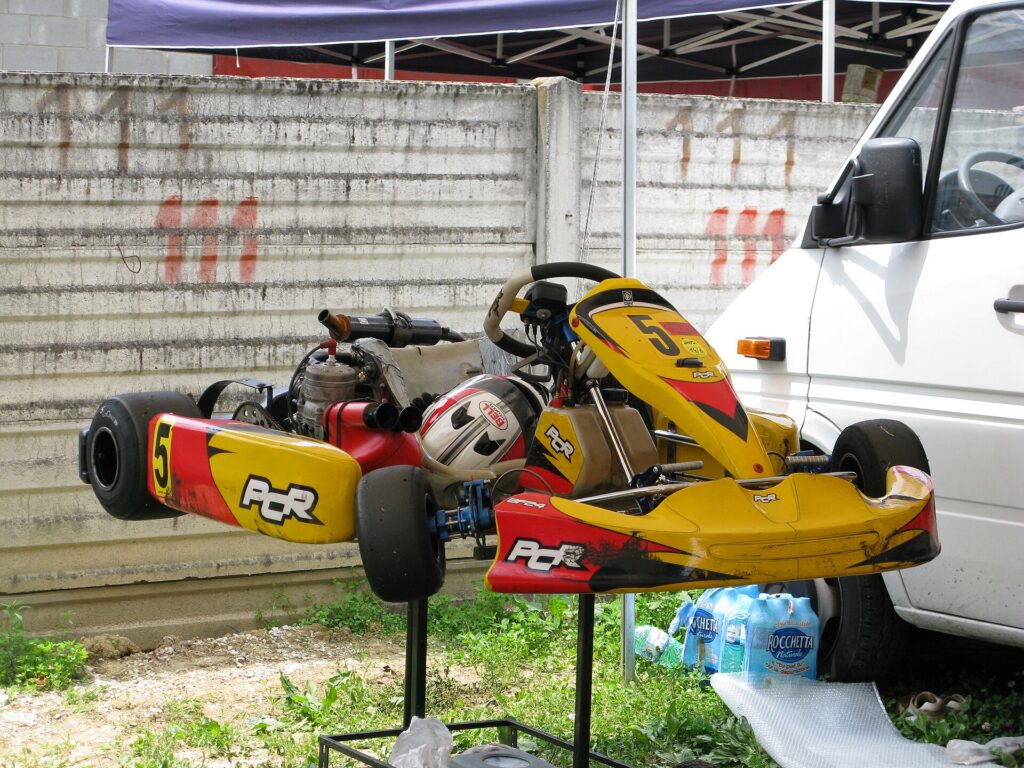
Per race weekend in a local championship you will probably spend around **€400-€800** including tires, fuel, entry fee, and small spare parts. With about 12 races per year you are looking at roughly €7,000-€10,000 per year plus the initial investment.
If you want to move to national level championships, then the budget quickly goes to **€20,000-€40,000** per year because tires increase massively, engines need rebuilds, and teams support becomes required.
And if you step into international karting, WSK, FIA championships, the numbers explode. You are easily looking at **€120,000-€250,000** per season depending on category and testing days.
What Costs Shock Parents the Most?
I believe the costs that are the most shocking are the full race packages that get up to €10,000 to €12,000 per race. That has the biggest shockers.
Also, if you think about the engine rental, it’s quite crazy. You will have to spend up to **€1,700** per engine just rented for a WSK or CIK FIA race event. And that is just for the race weekend. If you include testing engines, you multiply that number several times across the year.
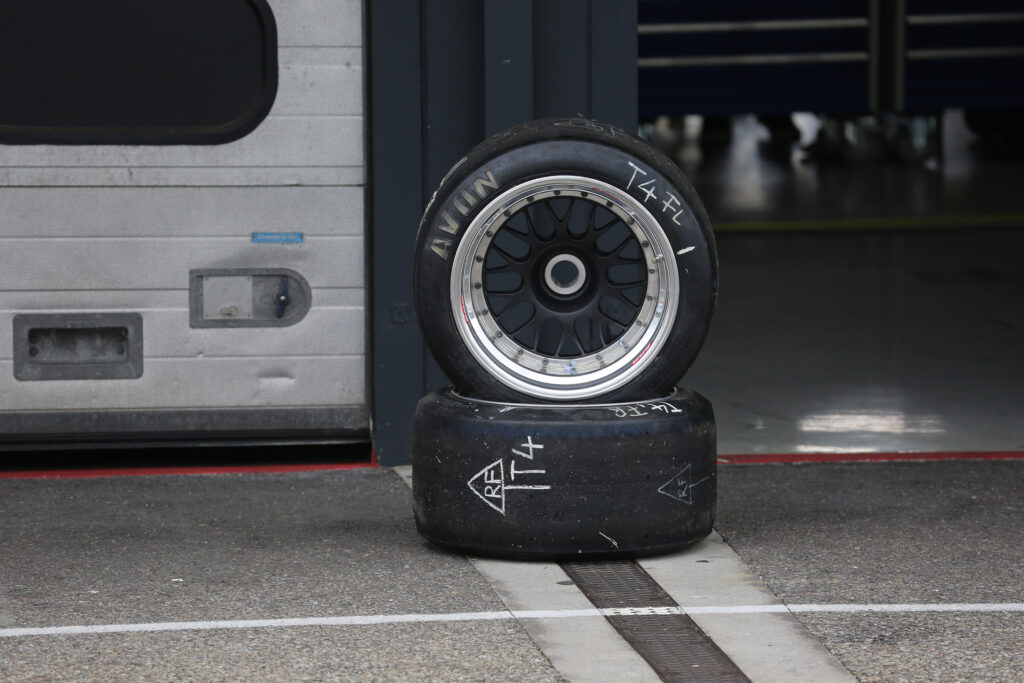
Tires also surprise a lot of parents because a single set is around €220-€250 and you may use multiple sets per weekend. When you multiply this across a championship, the number becomes very significant very quickly.
Which Expenses Actually Improve Performance vs. Waste Money?
I feel that the expenses that actually improve performance the most are:
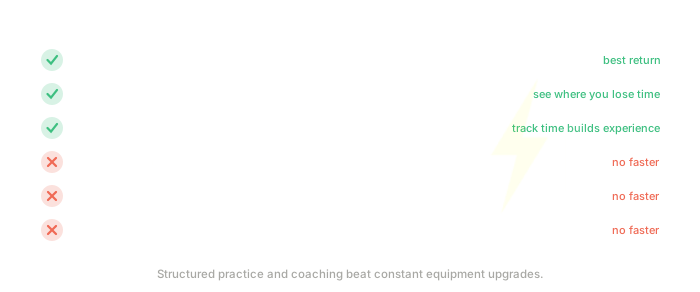
- Money spent on coaching, whether you have a professional private coach or whether your team actually provides proper coaching
- Data analysis – extremely important because understanding where you lose time allows you to improve much faster than just driving laps randomly
- Testing days – extremely valuable because track time is what builds experience

What usually wastes money is constantly buying new equipment without understanding the fundamentals. New chassis every few races, unnecessary engine swaps, and cosmetic upgrades do not make you faster compared to **structured practice and coaching**.
What is the Minimum Budget to be Competitive in Karting?
Well, the minimum budget, to me, obviously depends on the series you choose:
- International level (Formula One path): Well above €150,000 per year
- National championships: €30,000-€60,000 if you optimize testing
- Club racing: €8,000-€15,000 if the program is well structured
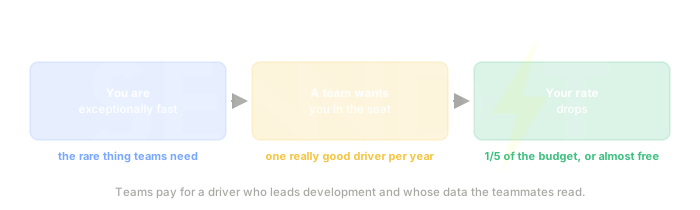
If you’re exceptionally fast, exceptionally good, the teams are going to give you a cheaper rate just because you’re so magnificently fast. I’ve seen drivers spending 1/5 of the budget or even getting almost a free drive for how good they were, simply because the teams always need one really good driver per year that is going to drive the team in the right direction and help the teammates get faster by reading his data.
Make sure you work on developing your skills so that you will actually save up money down the road.
What Costs Increase Dramatically When Moving Up Categories?
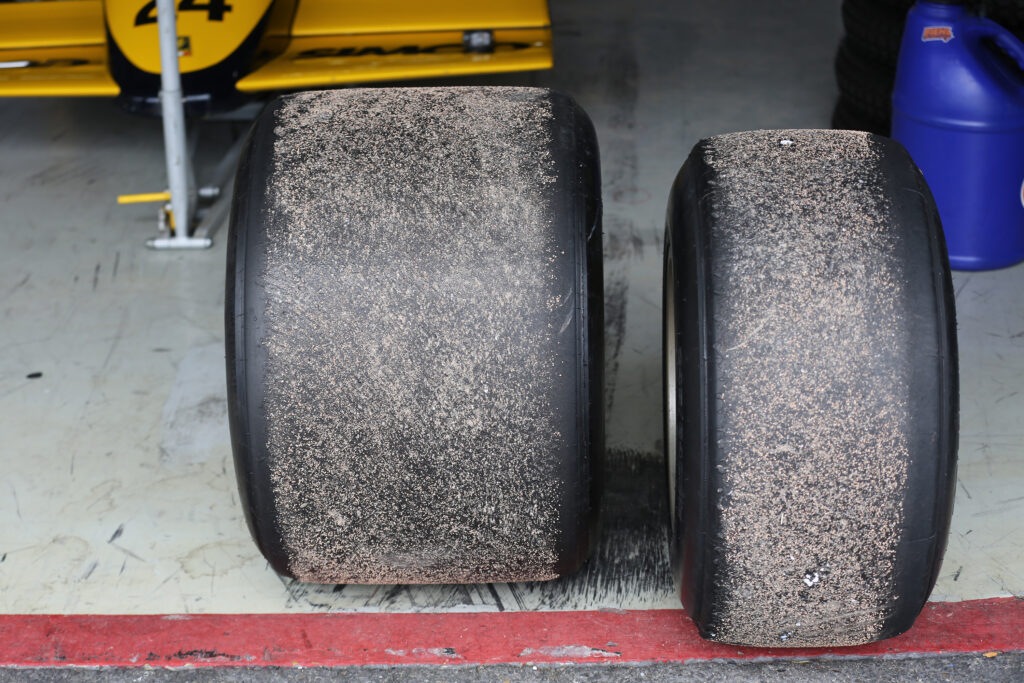
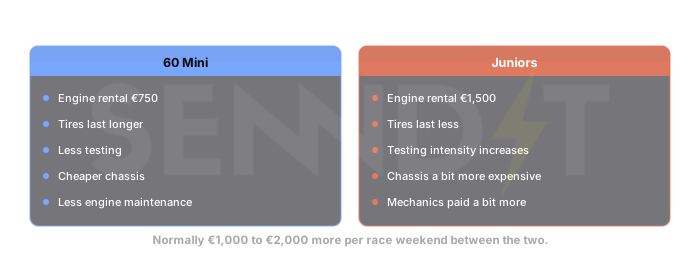
Well, the biggest cost increase is when you go from 60 Mini to Juniors. That’s normally the biggest hike because engines become more expensive, tires last less, and testing intensity increases.
When you then go to OK or KZ categories the engines require rebuilds extremely often and the tires degrade much faster, so every weekend becomes significantly more expensive.
The engine rentals become quite a bit more expensive. You go from €750 per rental to **€1,500** per rental. So literally, double for a junior senior engine, because they need much more maintenance than mini karts engines.
Sometimes you’ll have to spend a bit more for equipment. The chassis is a bit more expensive, as well as the mechanics sometimes will have to put more effort, and so they will have to be paid a little bit more.
Normally you will see €1,000-€2,000 more per race weekend between Mini and Juniors, mostly due to the engines and also bit due to the mechanics and kart equipment.
Send your onboard footage. Alessio reviews it corner-by-corner and tells you exactly what's costing you time, and how to fix it. Back within 48 hours.
Get My Onboard Reviewed → Reviewed personally by a CIK FIA World Champion, never an assistant.I promise I'll not spam you with repurposed shitty AI content but real experiences that only I, Alessio Lorandi, experienced. Written in my funny English-Italian tone of voice 😂
Alessio Lorandi is the former CIK FIA World Junior Champion, winning against Lando Norris in 2013 & F3 multiple race winner. He's helped 200+ karting drivers worldwide get faster & win WSK titles with BabyRace Driver Academy & now through Senndit, his online karting coaching platform.