Pre-Race Start Strategies To Help You Gain Positions
Imagine yourself sitting in the kart on the pre grid 30 seconds before the start of the race. The race director in front of you has got the green f…


Imagine yourself sitting in the kart on the pre grid 30 seconds before the start of the race. The race director in front of you has got the green flag ready to be waved. And my question too is, what are you thinking that moment? What’s going on in your mind? What are your thoughts? Are you just thinking at what you’re gonna do after the race?
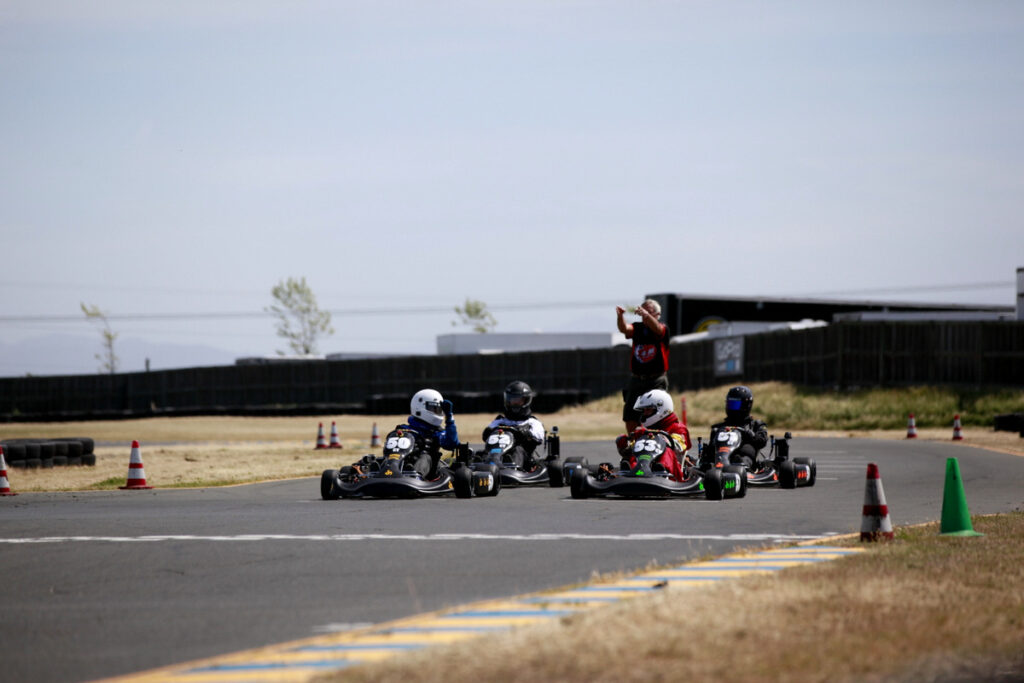
Are you gonna think at, you know, what you’re gonna eat for dinner, or are you thinking exactly how to plan your race start, because let’s say you are starting P3: one driver in front of you on your row, two drivers alongside, and the rest of the field behind you. So, what will you be thinking that moment?
- You cannot win a race on lap one, but you can absolutely lose one. Everything else follows from that.
- Visualise the start before it happens — three or four likely scenarios, not a single perfect one.
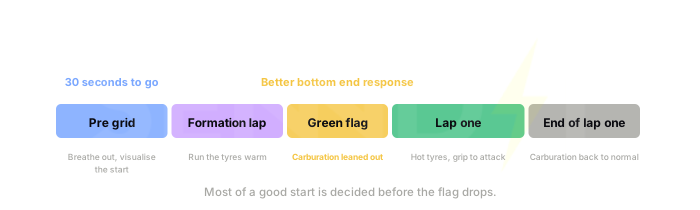
- Get the kart ready too: lean the carburation for throttle response off the line, put it back at the end of lap one, and make sure the tyres are hot.
- Championship or one-off changes the maths. Consistency wins titles; a single race rewards the risk.
- Conservative is not safe. Drive too carefully on lap one and you get swallowed, or collected.
- The inside is the safer bet — crashes travel outward. The outside works three times in four, and the fourth is expensive.
- Read who is around you, not just where you start. A hard racer beside you changes your options.
- Reputation buys you room. Build one and the first lap gets easier for the rest of your career.
- What I actually think on the grid
- The visualisation routine that replaced praying
- carburation“>Carburation and tyre temperature before the green flag
- Planning the first two corners in advance
- Championship or one-off? It changes the whole plan
- You cannot win a race on lap one
- But do not drive defensively either
- Racing Lando Norris, and why grip decided it
- Judging the bet: risk it, or wait a lap?
- It is poker, not chess
- Read the grid before you read the race
- Why the outside is always the higher-risk bet
- Who is around you matters as much as where you are
- Build a database of start scenarios
- Starting at the front versus starting in the pack
- Reputation is worth positions
- Visualisation works for everything, not just starts
What I actually think on the grid
Well, I’ll tell you what I used to think, and I still think whenever I go racing. So, I remember very early into my career, when I was eight, nine, ten years old, I used to pray. I just used to pray. Now, I think praying is not bad. I mean, it can always be an effective strategy, but realistically, what I’m trying to tell you today is a technique that I used to do, which worked very well for me ever since I stopped praying, which is basically when I was like 10 years old or so, and basically
The visualisation routine that replaced praying
that technique involved visualization, so that involved race strategies visualization, which meant I would close my eyes, I would breathe in, and I would like try to take big breaths, and then breathe out, and while doing so, I would visualize myself taking the formation lap and taking the first lap and taking, yeah, mostly the first few corners of the first lap, so I would try to visualize myself, you know, being right at the back of the driver in front, because we had rolling starts pretty much all my career, so I would be sitting right behind from the driver in front, and I would be, let’s say, if I was starting P2, I would be thinking, okay, I need to make sure I’m ready, I got, gotta have my tyres ready,
Carburation and tyre temperature before the green flag
I gotta have my carburation ready, so if I was in juniors, I would change my carburation to lean it out, so that it would be leaner, and yes, I would have a better response from the bottom, and I would have a way better acceleration at the start, and then I would put it back to normal carburation at the end of the first lap, and that’s basically what I would do, and that’s I would visualize that thing, I would visualize that procedure, and I would make sure my tyres would be run warm, because again the tyres have to be nice and hot at the beginning of the of the first lap, if you want to have the grip to attack and ideally pull away after you have attacked, so I would visualize that,
Planning the first two corners in advance
I would visualize, you know, the racecraft, which would be okay now, I follow him into turn one, then if in turn one it doesn’t open up, it doesn’t defend, I will go for it, you know, of course, if he defends, I will have to follow, but if he defends again into turn two, but he only defends like half, okay, and doesn’t make a proper defense, okay?
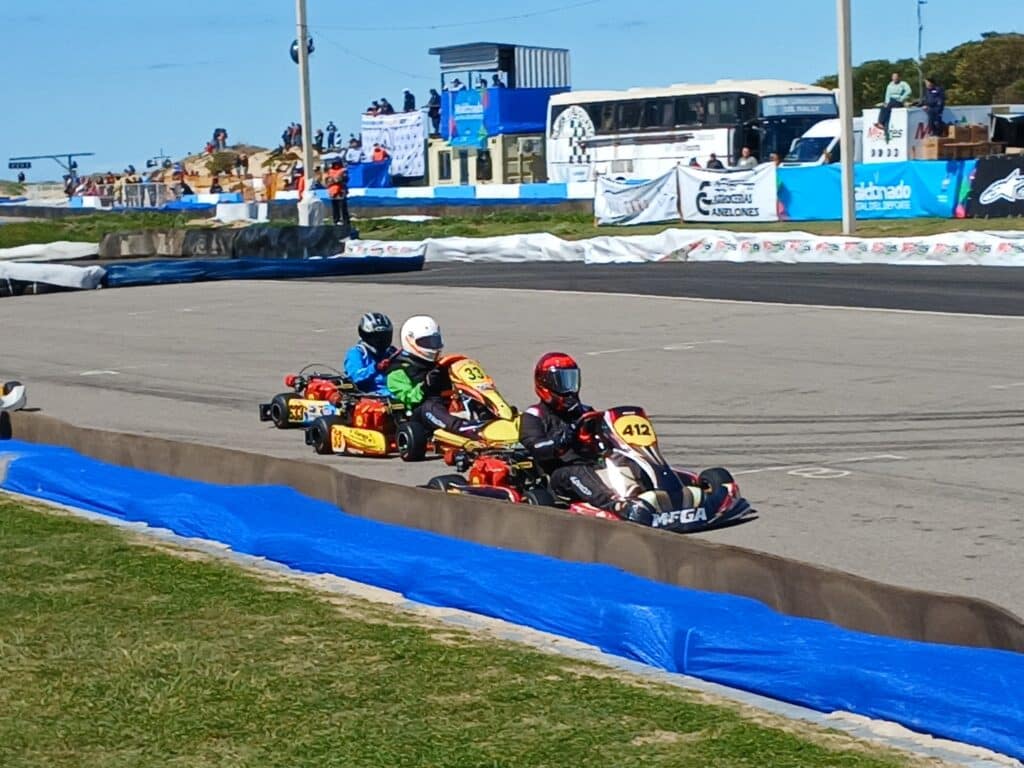
In that case, I will try to go for the move, all right, because I know that if I don’t overtake, I will probably get overtaken by driving behind.
Championship or one-off? It changes the whole plan
So, obviously, if I feel like it’s a championship and it’s important for me to get the points, even if I don’t win, okay, then in that case, I may be a bit more conservative. I will not risk it too much in the first lap, because remember, you know, to finish first, you first have to finish, and I remember the story that I was being told early on in my career, which was:
You cannot win a race on lap one
you cannot win a race on lap one, but you can certainly lose one. And it is true, honestly, it’s super true, so yeah, that was one of my main ideas, was like, okay, lap one. I mean, the goal for me is at least to maintain my position, but again, that doesn’t mean I should be driving with the mindset of conservativeness, of being defensive.
But do not drive defensively either
No, because if you drive overly conservative and too careful, let’s say, you’re then actually going to get overtaken, or you may even be involved in crashes. You need to be ready to attack, need to be ready to go for it and be aggressive, but realistically got to be careful at, you know, bumper penalty at the front of your nose cone, being also careful at penalties with contacts, or yeah, just being able to not crash into the driver in front of you or to the drivers around you.
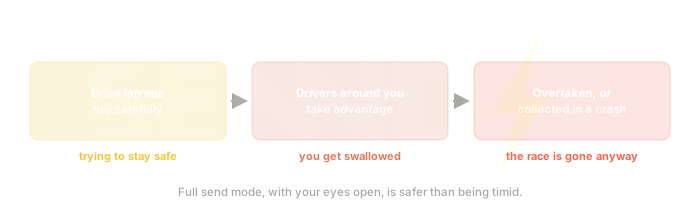
So that’s a lot of things you have to take care of. Okay, but I would say you want to be going in with a full send mode, but again being careful at the fact that you may have a long race ahead, maybe 15 or 20 laps, so it would be a pity to throw it away, you know, on lap one, and you may have had again a whole race that you could just make the overtake, and if you had the pace, you could put away, of course, in some cases you don’t have that much pace, and you hit, you have to kind of break the rhythm of the driver in front, and you know, try to, like, you know, do something unpredictable, because otherwise he would pull away, maybe, because he would have more pace.
It happened to me. I mean,
Racing Lando Norris, and why grip decided it
I was racing against Norris all the way through 2013 and 2014 and I remember in 2013 when we were fighting head to head pretty much every race, we were, yeah, sometimes I was quicker, sometimes he was quicker, when, when he was quicker, I knew that, because he was quite a bit shorter than me. So, when the grip came, I was struggling a bit, because, you know, I would get a bit stuck on the rubber, I would have too much weight transfer.
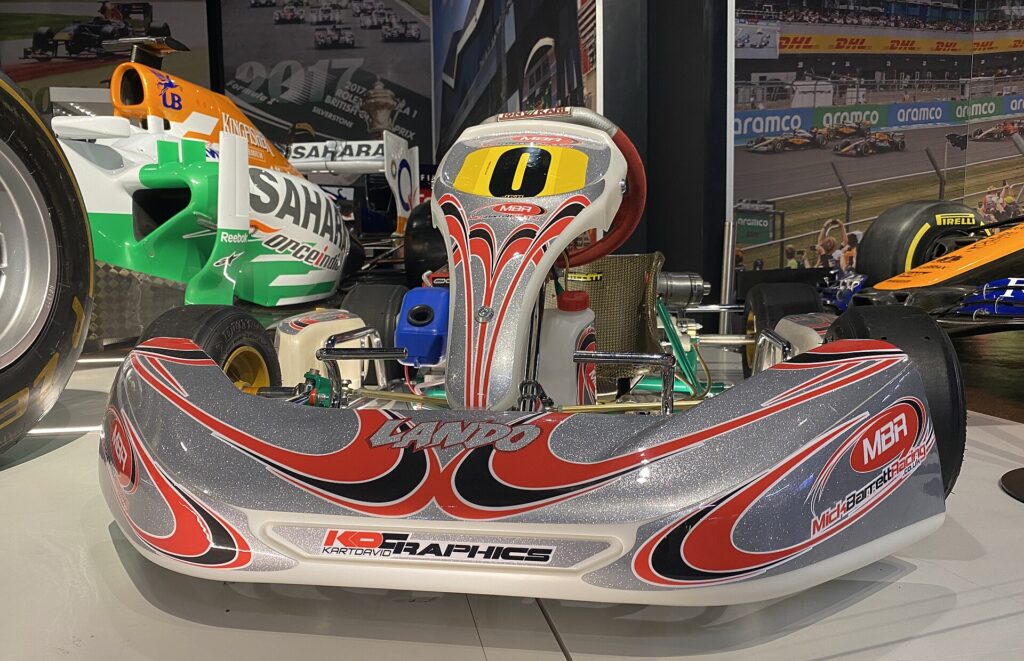
So, when the grip came, he had a massive advantage. When the grip was less, and we were sliding, I had a massive advantage, advantage, but I know when I was in the slippery conditions, I could quite easily beat him and win. In fact, I have a 18 against seven head to head score in karting against Lando, excluding the DNFs.
But realistically, whenever the track was super slippery, like in the early months in the winter, like Winter Cup and WSK, I would be, yeah, very, very quick. But, of course, when the track. Got super grippy in the summer, because you know, it got like you had three, four centimeters of rubber crust on the ground, like at La Conca. Yeah, Lando would be flying because of his, for his dimensions, he was a bit small, and yeah, it was hard to keep up with him.
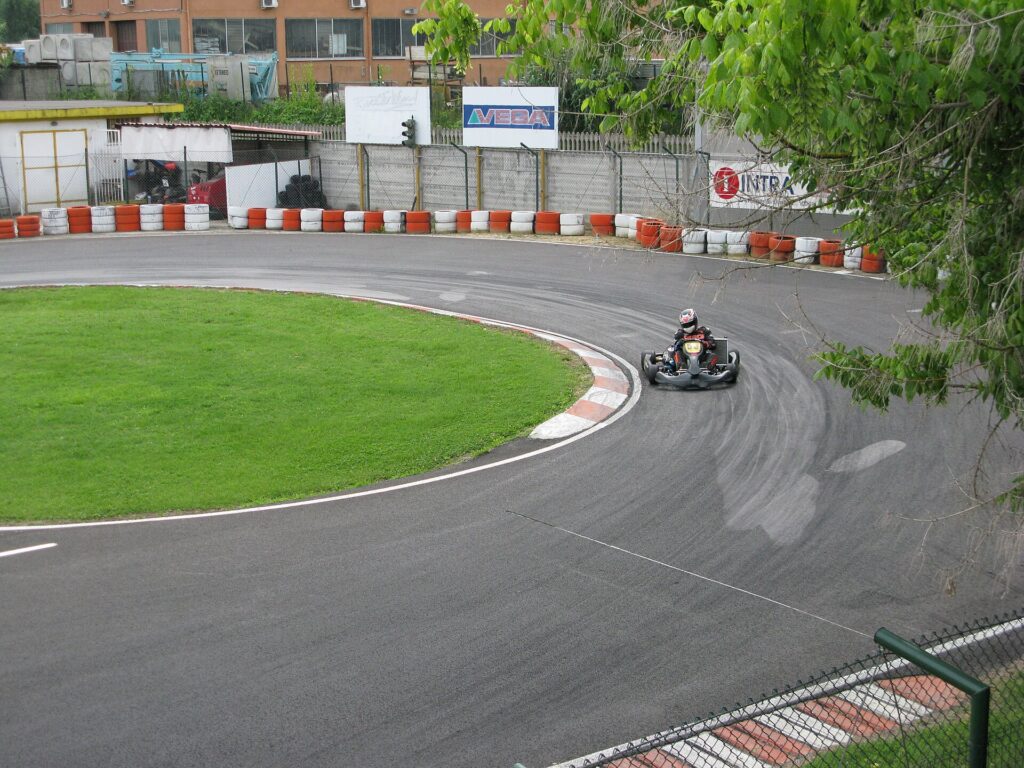
So the only way for me to have a shot at winning in those conditions was to make it hard for him, and to go overtake him right away, which obviously meant that I had to take some risks, but I knew that if I didn’t take the risks, he would probably pull away and drive away, because in that, in that same circumstances, he had, he had an advantage.
So, in some cases, I managed to, to make it work, and sometimes it didn’t, you know. But realistically, there are maybe some occasions where you have to do the same as well. But, yeah, going back to it, you got to make sure that right,
Judging the bet: risk it, or wait a lap?
you’re judging your bets, right? Is it worth taking a risk in lap one, and you know, risking crashing and getting out of the race, or is it better to wait for one lap, just be conservative behind the driver in front, and obviously still defend, because otherwise all the drivers behind me are going to pass me, but you know, should I still be conservative, and then from lap two on would start to overtake again.
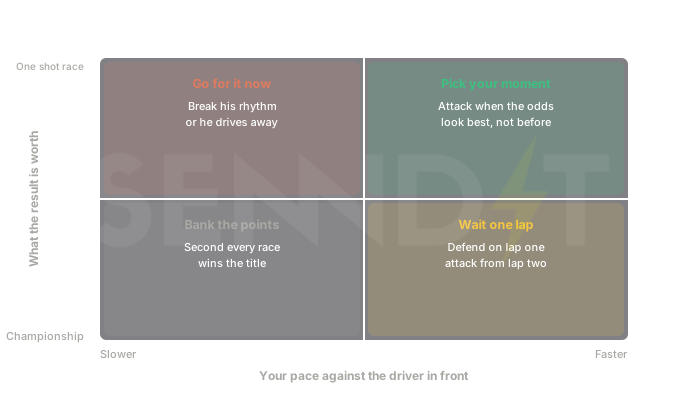
It really depends on what kind of confidence you have in your pace. What is the kind of strategy, whether you are aggressive because it’s a one shot race, let’s say it’s a World Cup, or if it’s a World Championship, like, or like a European Championship, where you have multiple races, when that is obviously something you have to consider. I mean, it’s, it’s gonna be important that if it’s a championship, you, you take as many points home and that you can fight until the last round.
I mean, there’s no point to win one race, then DNF the next race, then win the next race, and DNF the next race. You know, you will probably wouldn’t be winning the championship, and somebody who finished second in every race would probably win, because it’s more consistent. So, yeah, it’s very important that you judge, obviously, every race scenario and all the situations.
But at the end of the day, I don’t want you even to overthink it. That’s the reality. You shouldn’t overthink it. The minute you start to overthink it, it’s when you actually start to make mistakes. So, you have to drive by instincts. Yeah, you have to be aware that sometimes you’re gonna crash, and it’s part of the process. I mean, sometimes it’s just gonna happen.
You can’t, you can’t change that, but realistically, you, you just have to take the right bets.
It is poker, not chess
I mean, it’s a bit like poker, even though I don’t play. I, I’m not a, I’m not good at those games, but realistically, you know, in poker, you have to be taking the bets whenever you feel they have the best odds, right? Whenever the best likelihood of succeeding, okay, it’s like in racing, you know, when you, you’re gonna overtake when you feel like you, you can make it, unless you go for a desperate dive bomb in the last lap, because you know it’s like a one shot race, but again, that’s gonna be something that, yeah, you know, very controversial, but again, I did it several times, sometimes it works, sometimes it didn’t.
But again, I’m proud to have done it. But again, yes, it’s very important to judge the situation.
Read the grid before you read the race
Another very important thing that you got to do is to read the grid. So, reading the grid means that you gotta make sure you understand first of all in which side of the track you start, on the inside or the outside. Okay, is it the clean side or the dirty side? Is it going to be favorable for me to turn one, or it’s gonna be a disadvantage.
So, based on that, you gotta understand, all right, should I look for a spot on the inside as soon as I can, if somebody slips up on the inside, or should I just try to go around the outside?
Why the outside is always the higher-risk bet
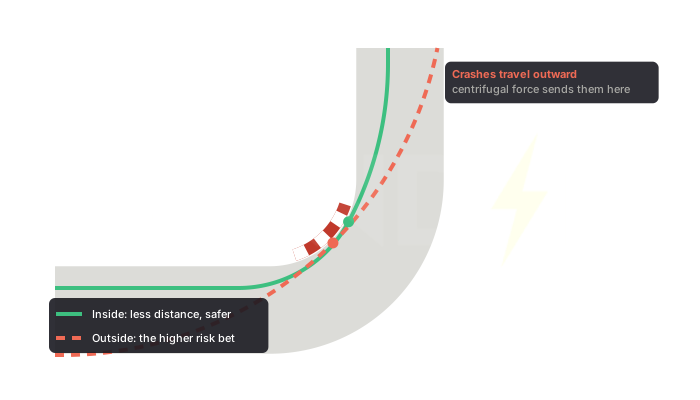
Remember, every time you try to go around the outside, it’s a high-risk bet, because if you do so, it may work three out of four times, but the fourth time it may be catastrophic because somebody may be crashing around you or in front of you or next to you, and that crash, where is it going? The crash is always going to the outside because of the centrifugal force.
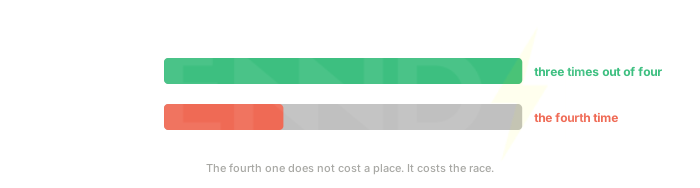
So, if you always like to go on the outside, remember at some point you’re gonna pay the price, and, and, so, yeah, that’s why I always like to stay more on the inside if I have the chance to, because it’s more, yeah, conservative, sometimes you will have to go on the outside. I mean, there’s just no way around the inside, because everybody already got the inside.
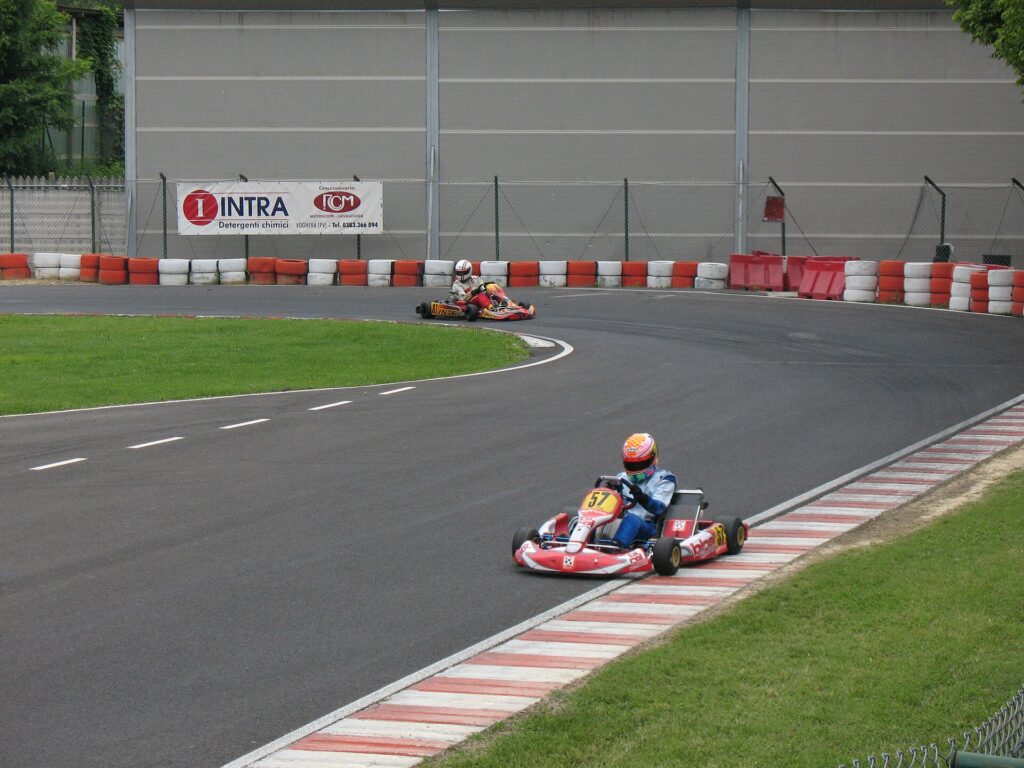
I mean, it’s the safest option, and most of the times the fastest option, because you know you’ll get the preferential path of doing less distance, and again, all the drivers on the outside are gonna lose time, unless they can try to make a dive bomb on the outside, but again it’s a higher risk move, which sometimes it works, sometimes it doesn’t, and when it doesn’t, it happens to be a catastrophic decision.
So you got to read the grid, not only in terms of where you start,
Who is around you matters as much as where you are
but also of who you got around, because if you have around very, very tough drivers, which are like, okay, I can’t go around the outside of this guy, because otherwise he is going to run me wide. I mean, I remember watching the races Verstappen. I mean, I don’t think anybody ever attempted to go around the outside of him, or if they did, I’m sure they didn’t end up, you know, in the in in front of him.
But yeah, I gotta understand who you have around. Do you have really fast and smart drivers and hard racers, or do you have some, you know, gentlemen, I would like to say, like soft drivers that are gonna probably let you go around the outside of them and take advantage of them, so that’s an important thing you have to consider, and, and, yeah, but remember, it’s everything you do, you gotta always make sure you are thinking about your survival, because I mean, remember, you can’t win a race in lap one, but you can lose the race on lap one, and.
And yeah, to finish first, you first have to finish, that’s the very, very important thing, but one thing you can do is to really visualize,
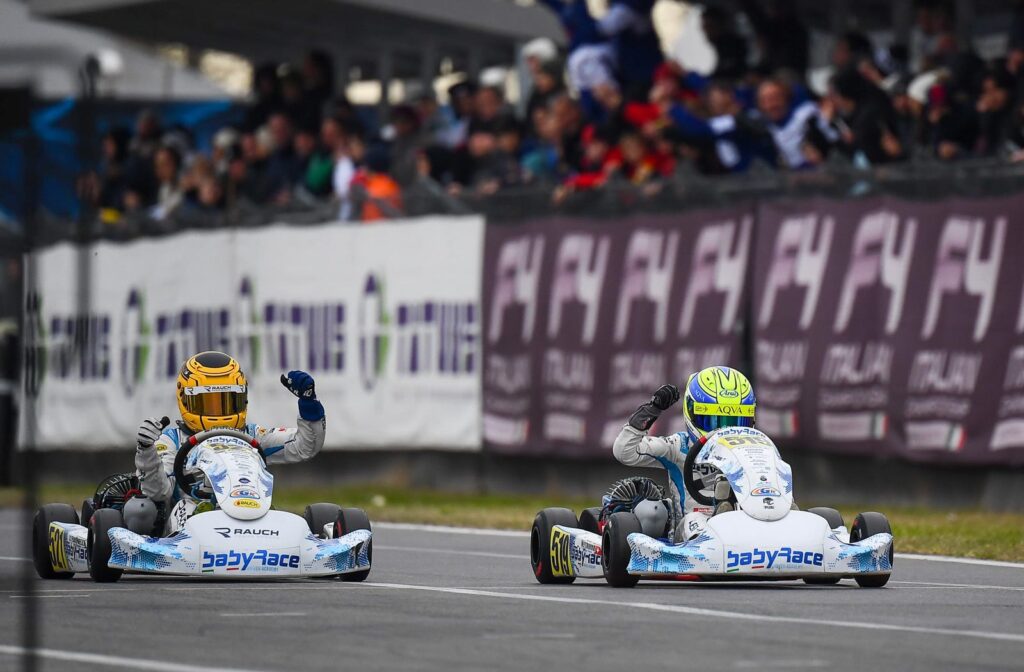
Build a database of start scenarios
watch a lot of races on YouTube from past races of that specific track, specific category, or even different categories, just like build a massive memory of understanding all these different scenarios, because the reality, reality is that you, you may have hundreds of different scenarios whenever you make a race start, because think about it, it’s like just based on one single driver around you doing something different, maybe like driver in front is not starting, or the driver alongside you is not starting, or the driver you know behind you is not starting, based on whatever happens, you need to basically adjust your race start, because yeah, you’re gonna have either an advantage or a disadvantage based on all the different scenarios that could come up.
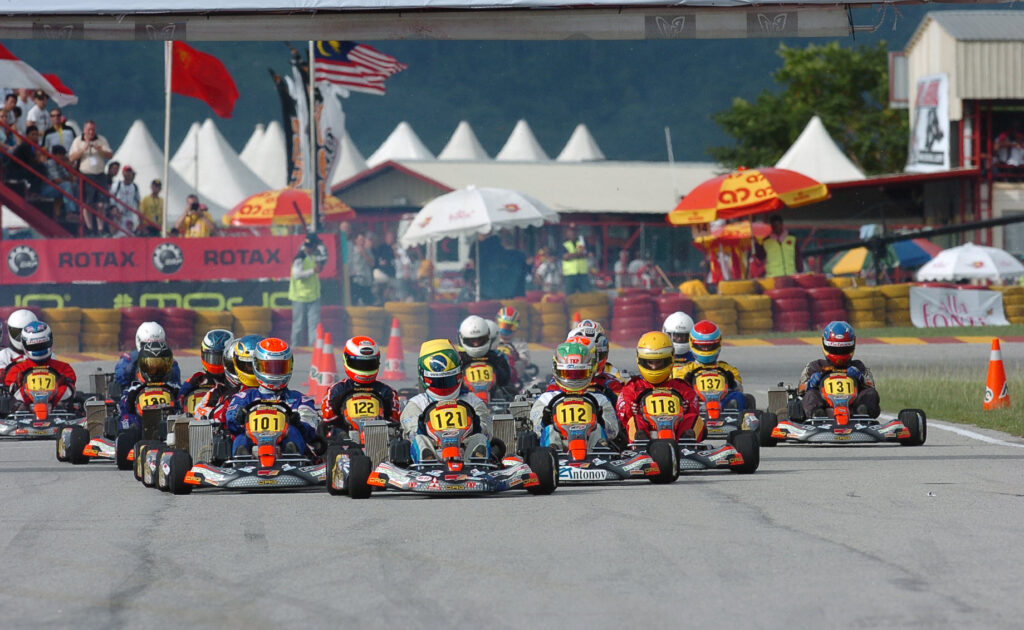
Maybe you have a problem at the start because your engine is bogging down, or maybe again you, for some reason, have to have to brake a lot because otherwise you’re afraid to get the bumper penalty, or maybe you have to, you know, avoid the driver in front being stopped, and almost like running over the corridor lines, and maybe you get a penalty, so like there’s so many scenarios, and I always like to visualize for the top three, four main, most likely scenarios, for example, whether the driver in front is not starting properly, where the driver in front starts very well, or whether the driver behind doesn’t start properly, or whether I can get to the inside and I’m on the outside right now, whether the driver alongside me starts very poorly, stuff like that.
I try to visualize those three, four scenarios, but then, of course, you build a database of likely scenarios, and how you can adjust them based on how many videos you watch on YouTube and how many races have you watched realistically from the sidelines at the on the grandstands, and that typically works a lot, you know. Whenever you have the time, after you’ve done your data and your video, make sure you go out and watch the race videos, or you go watch the live race video.
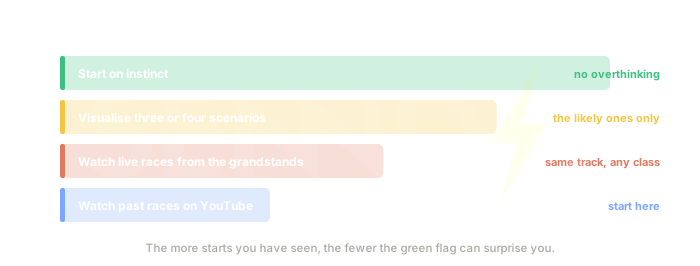
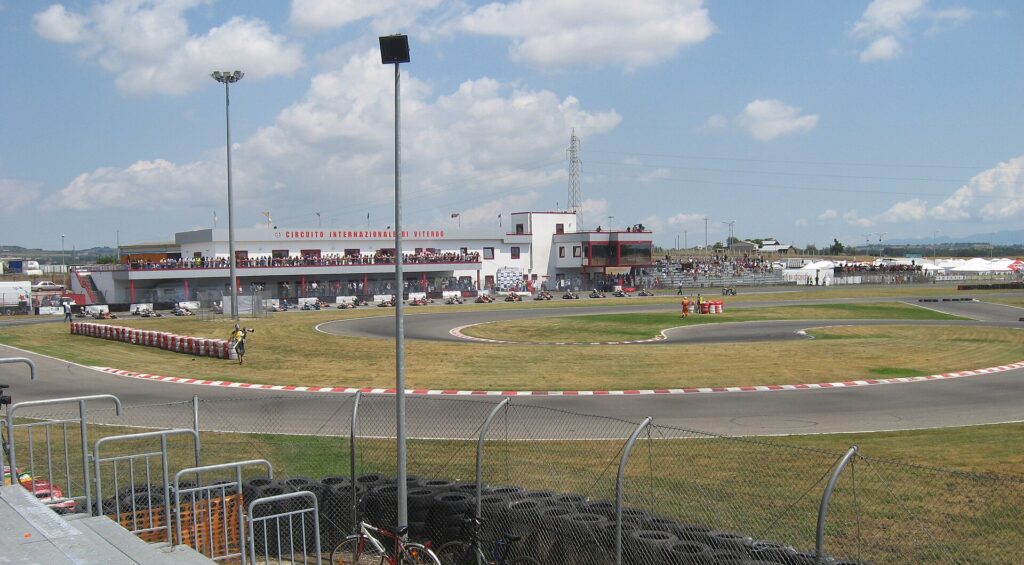
Well, not the videos, well, the live races on the grandstands from the same category, or maybe from different categories, and that’s going to help a lot. I’m telling you, it’s going to be invaluable. So, I hope that this is going to help you. I mean, I feel that there’s
Starting at the front versus starting in the pack
no one size fits all for race start strategies. I just feel like, again, it really depends from situation to situation. If you start in the front of the group, it’s definitely easier than if you start in the mid back or towards the back of the group, where everything gets a bit more messy and more fierce, and a little bit more, I would say unregulated, because if you’re at the front most of the time, you have drivers who are hard racers, but are fair racers, and almost like always have something to lose in terms of like points for the championship, so they are gonna be like be more careful in terms of what they do with their decision making, whether they push you out or not, whereas in the midfield or towards the back, there’s like so many desperate drivers, who are just looking for a result, and who probably have nothing to lose.
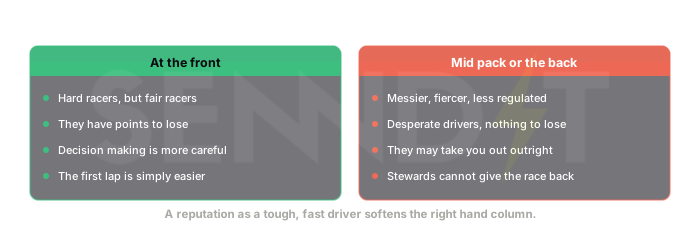
That’s the reality, and yeah, many times they may end up crashing into you, they may end up taking you out or doing something just bad against you. And then, yeah, you can go and complain to the stewards, but the reality is that you may still have lost the race in that specific time, so yeah, complaining may be a little patch and consolation, but I mean, at the end of the day, the goal is to, is to not get taken out.
I mean, the goal is to still be on the race, and yes, sometimes that means being a little bit more conservative, but sometimes the opposite. Sometimes you have to be more aggressive, because you’re too conservative, they all take advantage of you, and if they know you are an aggressive driver, and
Reputation is worth positions
you have a reputation of being a tough driver, like it was the case Verstappen, and I think it was the same case for myself, like I built a reputation of being a fast, strong driver with, yeah, a lot of, let’s say, attributes and guts that if somebody did something bad to me, they would probably get it back, and, yeah, if you build that kind of reputation, for sure, it’s going to be easier to navigate the first lap, and in general, if you start in the mid pack, if drivers know that you are in the mid pack just because you had the problem in one heat, maybe you had a crash, maybe you had some technical issues, and that’s why you start in the mid pack for the final.
I’m telling you, if they know that you are a mega fast driver and a very respected driver, they’re probably going to let you by, not literally, but they will like not fight you too much. It’s almost like when a Formula One driver that maybe is running for 15th in the championship, like maybe in a team like Alpine or like Williams, and they are, you know, seeing Max and coming through in their rear view mirrors because they had just made a pit stop, they’re not going to fight him too much, almost like let him through, because they know that that guy is going to finish ahead of them.
So, in that case, yeah, if you have a great reputation, it’s always going to help, especially in the first lap, or whenever you are in, in, yeah, in a group of a lot of drivers, that that’s normally going to help, but believe me, it’s not going to be like “oh, I am going to let you through” – that is never going to happen.
But they will make your life maybe a little bit less hard than they would do other drivers. So, yeah, I hope this was useful. Make sure you try to apply this on track next time.
Visualisation works for everything, not just starts
Remember, visualization is such a powerful technique and exercise you can do for anything, basically not just for race starts, but for like visualizing your perfect lap, visualizing overtaking, you know, visualizing specific. Techniques you want to fix, perhaps driving in the rain, etc. So you gotta use this mental telemetry tool, which I like to call visualization. I think it’s super powerful, and you should definitely give it a try.
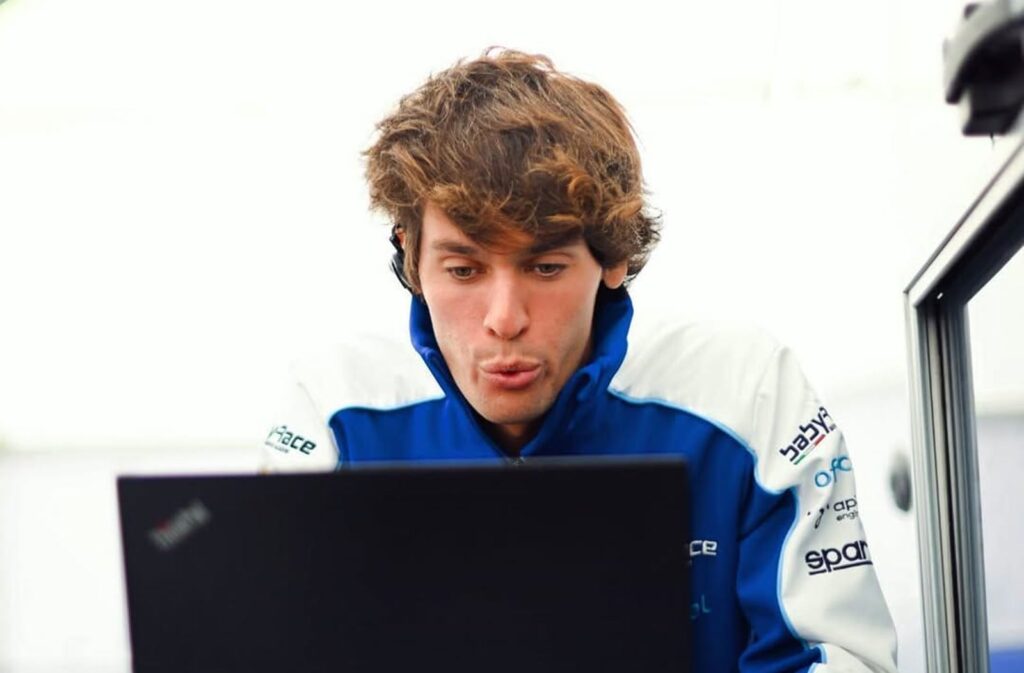
And if you want to find lap time right away for your next race, you can sign up to a one-to-one onboard video analysis session, where I can basically send you my onboard video review from from your video, and I will try my best to help you find two or three tenths Anyways, hit me up on Instagram @alessiolorandi, and I’ll see you there.
Take care. Ciao.
Related: how visualisation actually works, when to overtake versus when to defend, and the full Lando Norris head-to-head, race by race.
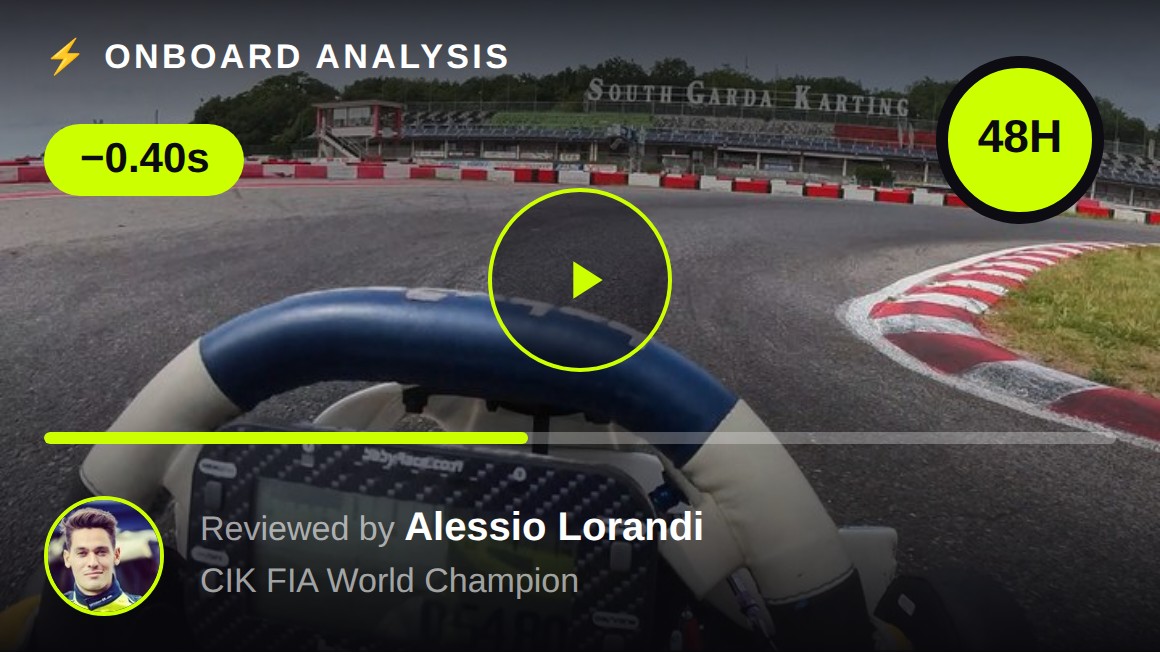
Send your onboard footage. Alessio reviews it corner-by-corner and tells you exactly what's costing you time, and how to fix it. Back within 48 hours.
Get My Onboard Reviewed → Reviewed personally by a CIK FIA World Champion, never an assistant.I promise I'll not spam you with repurposed shitty AI content but real experiences that only I, Alessio Lorandi, experienced. Written in my funny English-Italian tone of voice 😂
Alessio Lorandi is the former CIK FIA World Junior Champion, winning against Lando Norris in 2013 & F3 multiple race winner. He's helped 200+ karting drivers worldwide get faster & win WSK titles with BabyRace Driver Academy & now through Senndit, his online karting coaching platform.