Racecraft 101: When To Be Patient vs When To Attack
What do you think is more important to winning a race, having the ultimate pace in terms of lap times or having the ultimate racecraft? I mean, thi…

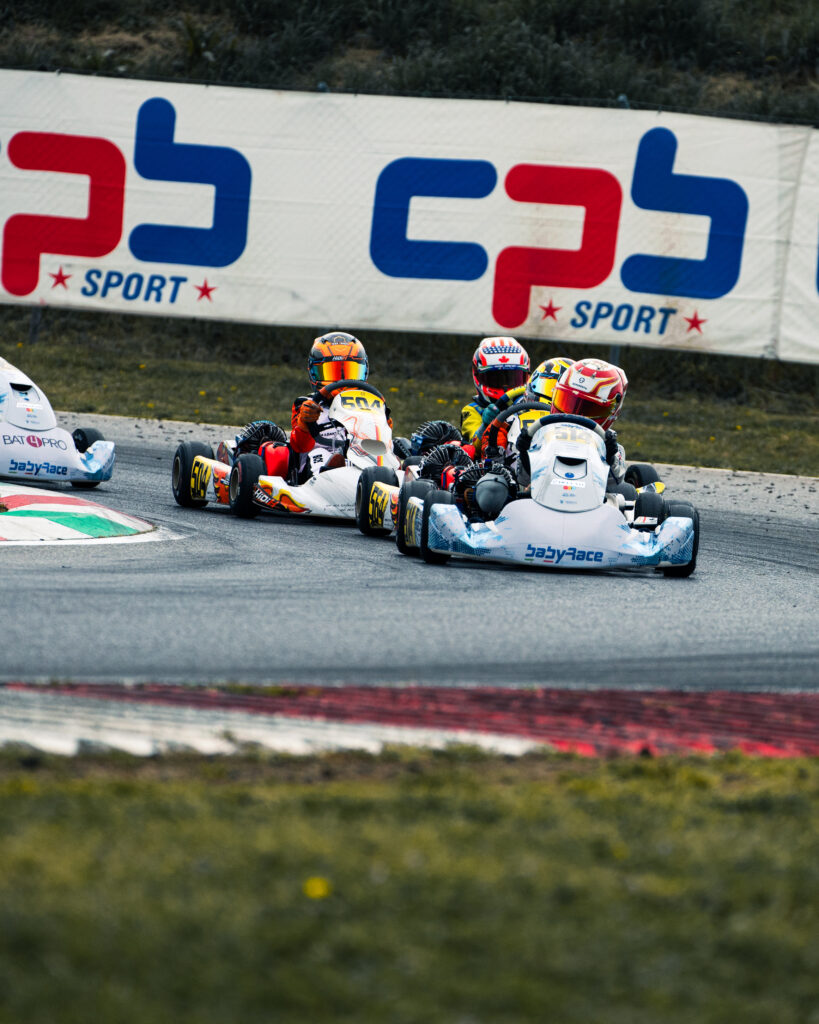
What do you think is more important to winning a race, having the ultimate pace in terms of lap times or having the ultimate racecraft? I mean, this is an important question, because most of the drivers I talk to and I coach at BabyRace and also here at Senndit, they think that the pace is the key, that everything they can achieve is thanks to their pace and to the lap times.
But the reality is not true. The reality is that, yes, you got to have the pace. As I said, pace comes first. But the reality is that you can’t just win based on pace. I mean, unless you’re doing a lap time race. You see these kind of races in cycling that you do the time trials. You see the same thing in racing – time trials.
So unless you’re doing a time trials, the pace is just part of the equation. It’s not the only thing. So what’s going to massively affect your results is the racecraft?
- Pace gets you pole. Racecraft gets you the win. Nobody follows you politely because you were quick on Saturday.
- You cannot be patient and attacking at the same time. Pick, commit, and know why.
- Hesitation is the enemy. A half-committed move is the one that ends in contact.
- Nineteen overtakes and one contact is a good season. Never overtaking is not safety, it is a slow way to lose.
- If you do not shoot, you get shot. Decline to pass and you will simply be passed.
- The best defence is to attack — defending is a short-term decision that has to be repeated every corner.
- Watch other categories race. With no onboard footage allowed in Europe, this is how you build the database.
- You learn racecraft by imitation and repetition, the same way anyone learns an instrument.
- Pole position is not protection
- It is a war zone out there
- Patient or attacking – you cannot be both
- When patience pays: bumper drafting to break away
- Most of the time you do not get to be patient
- Hesitation is the enemy
- The only real way to learn racecraft
- No onboard footage in Europe, so watch everything else
- How Verstappen and I actually learned it
- Racecraft is bet-placing
- Nineteen good overtakes are worth one contact
- Play it like a poker player
- Where the name Senndit came from
- If you do not shoot, you get shot
- The best defence is to attack
- Situational awareness in a split second
- Defending is a short-term decision
- When defending does make sense
- You learn racecraft by imitation
Pole position is not protection
Yes, because, let’s suppose you get the best pace on the track, and you start p1 because you get the pole position, because you have, let’s say, the best pace. But if, let’s say, in the first lap, already into turn one, you make a poor start, too conservative, and you get overtaken right away by one driver, you know, on the outside by the driver starting P2, and then the driver starting P3 overtakes you right away because you are not defending properly in the first lap, you know, people are not going to follow you because you have the pace.
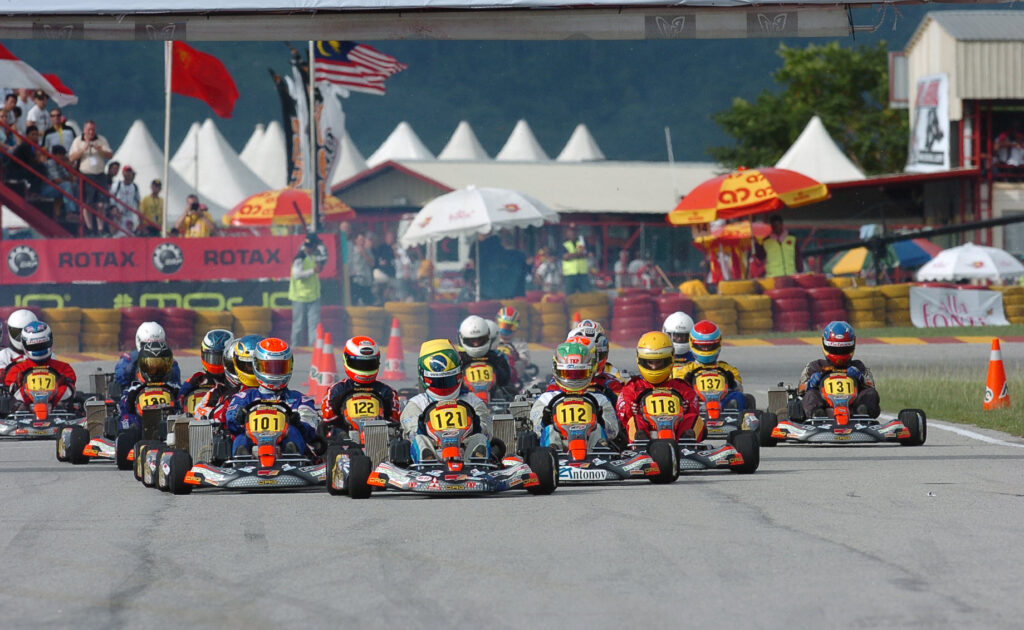
They don’t give a crap.
It is a war zone out there
It’s like war, remember? It’s like war out there. And if you’re not, if you’re not, if you’re not basically ready to race, as I said, and you’re not ready to fight, you’re going to get eaten by the whole field. Because, again, if you have the pace, it’s not enough. You may be lucky every once in a while that the group start to fight in the back, and you can pull away based on pure pace.
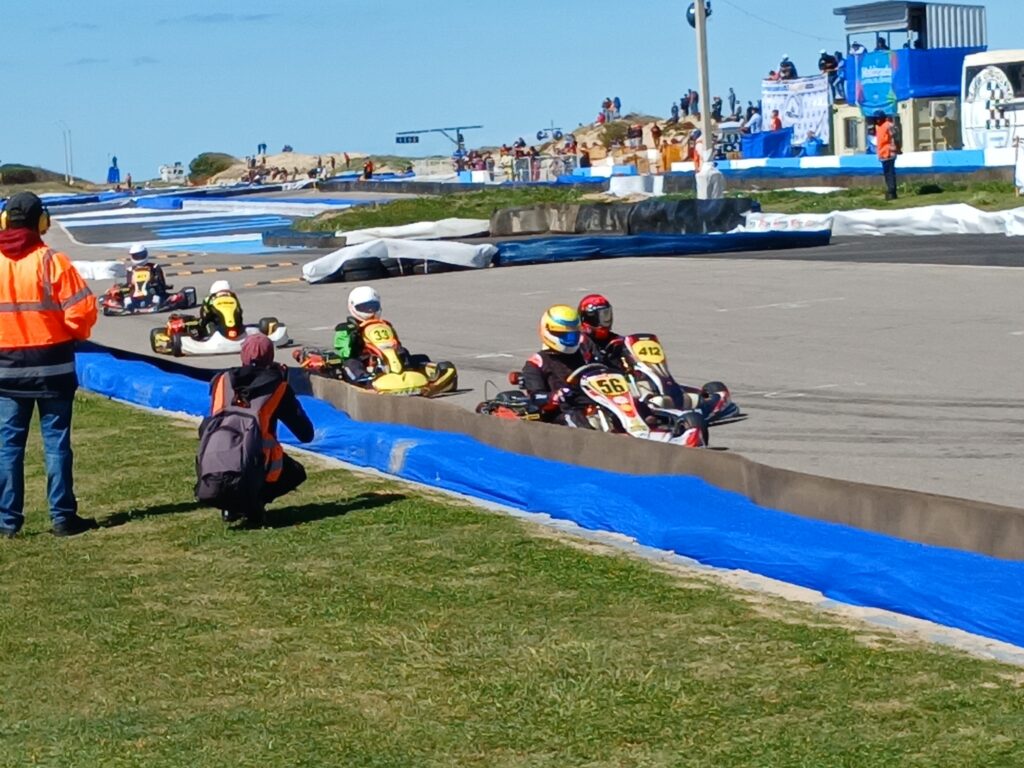
But I see that nowadays the racings are getting more and more racy, basically more and more elbows out and more aggressive. So So pace is no longer the only thing that you require, as it may have been, maybe like 15 or 20 years ago. I mean, yeah, you still had to have really good racecraft there, but I think there was more of a chance to pull away.
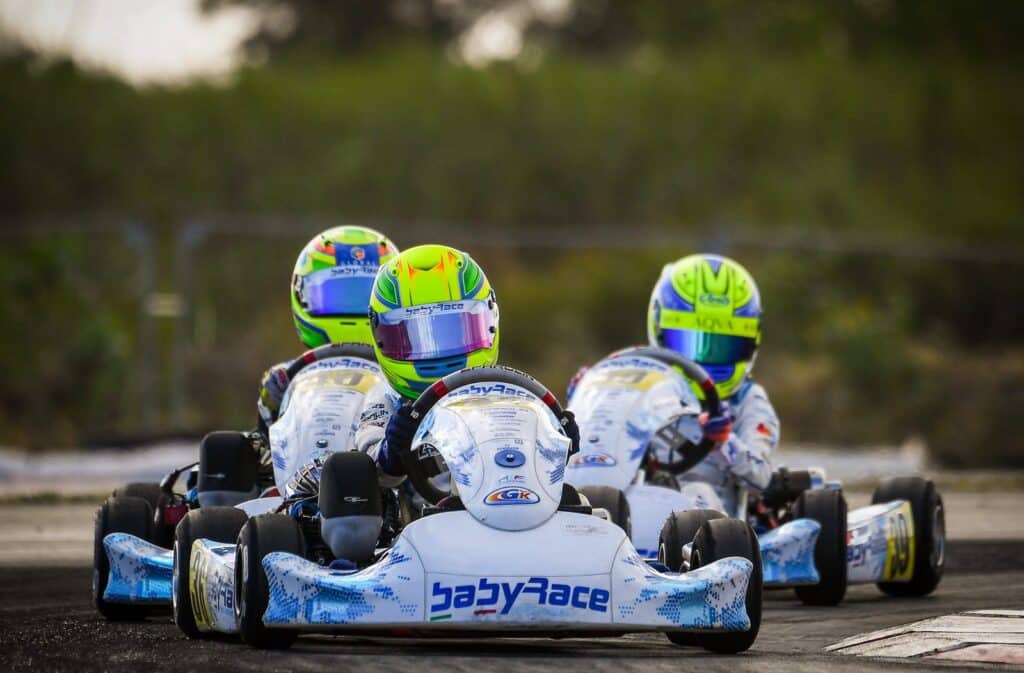
I think now the races are really becoming more of like a wrestling game, and it’s more like a war zone. So you got to be very, very good at the racecraft, and you need to be understanding exactly
Patient or attacking – you cannot be both
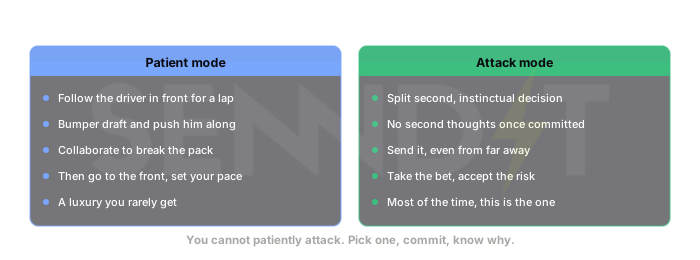
when to be patient versus when to attack. That is really what we’re going to talk about today, is it’s really to understand, because you know, you may need to be sometime patient, you may need to be sometimes in attack mode. You will have to be in sometimes attack mode and sometimes in a patient mode. You can’t be both at the same time.
I mean, quite obviously, you can’t be both patient and attacking, patiently attacking. No, you gotta place your bets properly. You need to understand, okay, you know what?
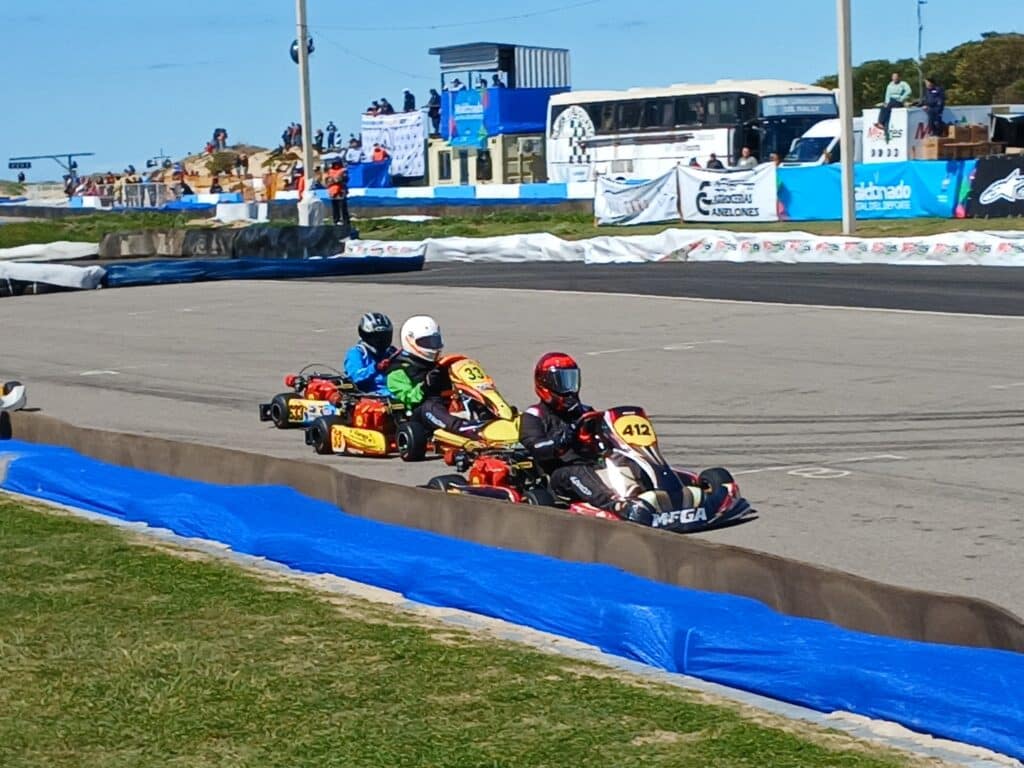
When patience pays: bumper drafting to break away
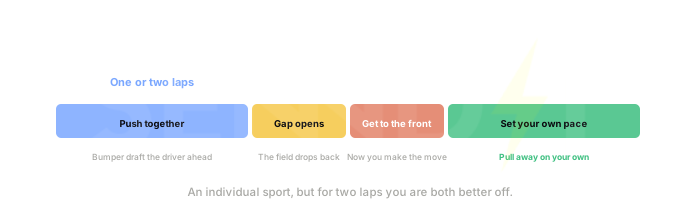
I am going to follow this driver for just one lap and pushing him around and bumper drafting, for example. That could be in 60 Mini, so that we pull away from the rest of the field behind. We collaborate, even though this is not a team sport. This is an individualistic sport, but if we collaborate, we’re probably both better off by doing so.
And so we are going to keep pushing together. We go together for one or two laps. Then once I see there’s enough gap, I can get to the front and I can set my own pace, and hopefully if I drive well enough, I can pull away. So again, that was an example of using your patience to your advantage and being reflective.
Most of the time you do not get to be patient
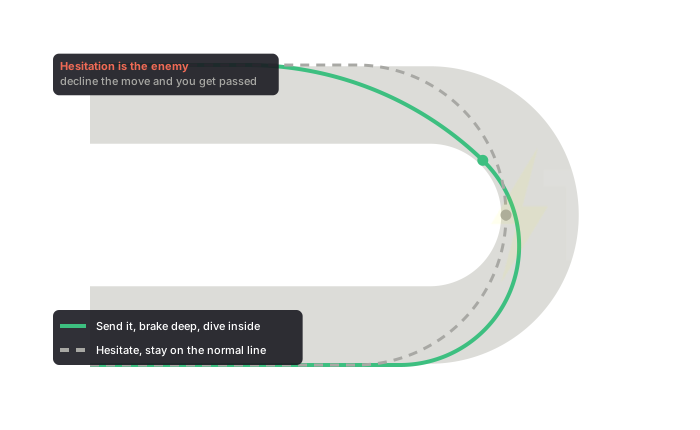
You don’t have the luxury of being patient many times, I would say most of the times. Unfortunately, you have to take decisions really quickly, and you have to be very aggressive. So it’s more about being aggressive and attacking rather than being patient most of the times in racing. And you know, when you’ll have to attack, you’ll have to attack, no second thoughts, because every hesitation is going to reduce massively the likelihood of you making that move, of you, you know, defending that position, of you, you know, driving through the pack in lap one, turn one, etc.
Hesitation is the enemy
So hesitation is normally the enemy of racing. So you want to make sure that when you take a decision, okay, it’s a split second mission. It’s mostly instinctual. Like, I don’t think about that when I’m racing. I’m just like, I’m being driven by my instincts. And obviously you can kind of train your instincts. You can kind of program yourself by doing visualization, by by studying race videos, by, you know, doing creating a lot of muscle memory in your in your driving, in your in your actions, and also in your decision making.
I mean,
The only real way to learn racecraft
the way you get better at racecraft is by watching races, not only your races. That’s good when you can re watch races. I mean, unfortunately, you can’t have onboard videos. That’s That’s really sad during races, only in the US. In America, you can do that, which is great for them, but in Europe, it’s not allowed, unfortunately, which is a very big pity, because you could learn way more.
If we all had the chance of watching our own videos, we would all be better drivers, because you could re watch what you did wrong, not only in terms of practices, when you are driving around, in terms of lap times and, you know, driving style, etc, but also in the races, that’s an entirely different chapter.
No onboard footage in Europe, so watch everything else
So if you don’t have the chance to watch your onboard videos, you can watch the videos from past races on YouTube. You can watch videos from you know, other drivers on YouTube. If they have some like YouTube channel that you can see some some race videos. But besides that, I suggest to normally just go out there and. And and watch the races on the other categories.
How Verstappen and I actually learned it
That’s how I used to learn. That’s how Max Verstappen. All those guys used to learn. We used to just finish our session the brief, you know, the brief with our mechanic, and give some proper feedback to tuner, etc, clean our karts, watch the data. But then we would spend a lot of time watching the races of other categories, maybe the same category, because especially back in the days, I remember we had, like in juniors, just one single category that was called KF3, and that was basically the junior category international level.
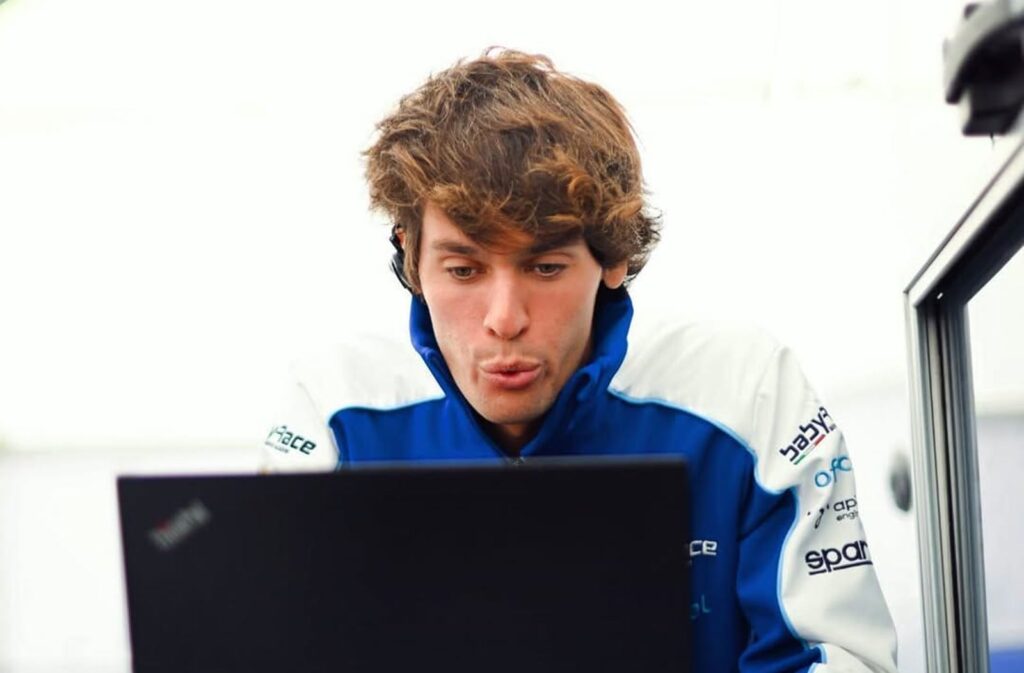
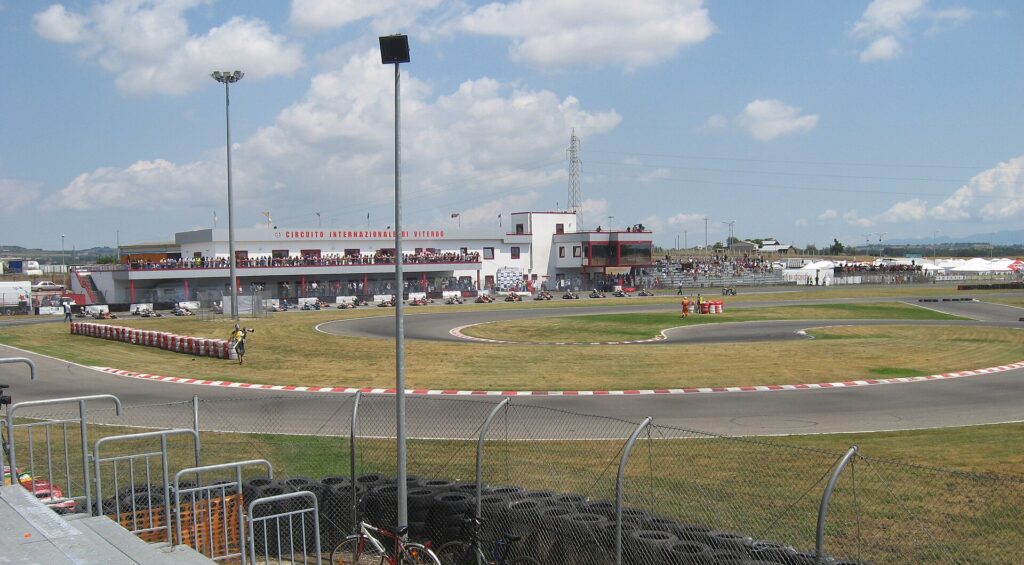
And we would drive against 110 or 120 drivers, even for winter cup races or for the world championship FIA races. And you would have to make so many heats before getting to the final on Sunday. So you would have five, six or seven heats, I guess, and and so whenever you did not have your own heat, you could go and watch the other drivers from the same category, so you can study your competitor, and at the same time, learn about racecraft.
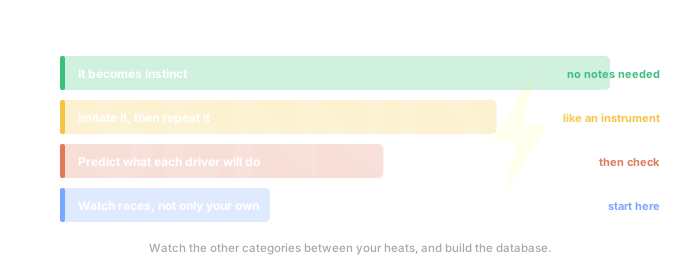
I see nowadays, it’s still a practice. But unfortunately, many drivers are not doing this, and I am very upset when I see that from my other drivers as well, when I when I suggest them to go watch races, and maybe they’re not. I mean, that’s quite upsetting, because that’s the easiest way to learn about racecraft. I mean, you can just watch the other drivers and you try to understand, and you try to predict, you try to guess what the drivers are going to do, and by doing so, you kind of build, like a memory of all the actions, you know, you build a proper, yeah, database that you then will be able to reuse it whenever you go out on track.
You just learn by by watching others and by then applying it yourself. It’s going to be instinctual. You don’t have to necessarily take notes. You’re just going to be instinctual. You just, you just watch the others driving and racing, and you absorb it, and that is the best way, I encourage kids and even adult racing drivers to learn, is by re watching races, either their own races, or other drivers races.
That is the way you absorb racecraft. That is the number one way. Then obviously, as we said,
Racecraft is bet-placing
the real key is to assess when to be patient and when to be in attack mode. It’s really like war, because I see racing really like taking the right bets. You know, it’s really like that you need to take the right bets because it’s, it’s a bit of a gamble. Every time you go for an overtake is a gamble because you are leaving a safe zone, a comfort zone where it’s safe to stay there in your position, because, let’s say, overtaking is going to put you in danger mode, and it’s going to because, yeah, I mean, when you are trying to go for an overtake, you never know whether the driver in front is going to notice you.
And even if you do the overtake properly, and you just take the right, you know measurements, and you you guess the right, the right positioning and everything, but maybe the driver in front has not enough lateral vision and is too focused in front of him that is not able to to see you coming from his lateral peripheral vision, and so he’s going to turn into you, and you guys are going to crash, and maybe you would have been better off not to overtake.
So that’s what I mean.
Nineteen good overtakes are worth one contact
I always prefer drivers to overtake, and I always prefer drivers to take risks. And of course, you will always have some crashes here and there. I mean, out of 20 overtakes, maybe you get one contact. It’s possible. But I mean, it may be those 19 overtakes give you the win, give you podiums, give you championships. So it’s way better to take the risk than to avoid getting, you know, taken out by the driver in front.
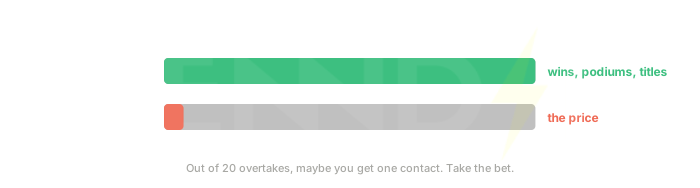
So it’s it’s risk taking, overtaking, it’s risk taking. Racecraft is risk taking, and you gotta take your bets properly. You gotta really choose which bets to take. And it’s a bit like gambling, like a casino. I mean, I’m not a gambler. I’m not into that thing, thankfully. But the point being is that,
Play it like a poker player
for professional poker players, for example, they need to take their bets properly. They can’t just randomly choose where to put their chips on. You know, they need to put their bets and take the bets in a high probability outcome where you, you know, are confident that it’s going to result you in a win. So that’s the same in karting.
I mean, in the same in all sorts of racing, it’s whenever you go for a move, you got to make sure you have the confidence you’re gonna make it work.
Where the name Senndit came from
Of course, sometimes you’re gonna go for dive bombs. You are going to go for real lunges, proper sends. That is my speciality, and I love to do that, especially when we had front brakes, you could really send it from far away. And that’s, by the way, where the name Senndit came from. I mean, that’s where the brand came from, is from the idea of taking the risk and just sending it, you know, not being afraid of, of making mistakes, and just just launching it, dive bombing it.
So it’s really like that. And and the racecraft is, is super, super key. It’s important to take the right bets. And it’s about getting the right quick decision making. It’s, it’s really quick decision making. It’s required to get quick decision making, and you’ll want to understand whether, when, again, it’s it’s gonna high, have a high chance of working or not.
Because, you know what, sometimes if you are not choosing, if you hesitate instead of passing when you should have passed. Well, in many instances, you will get past, because many times it is like war:
If you do not shoot, you get shot
if you do not shoot, you will get shot. All right? It’s you can’t feel like, Oh, poor him. If I shoot him, he’s gonna die. No, I mean, in war, you can’t do that. Otherwise you don’t go to war, otherwise you’re gonna get killed, right? There’s no mercy, all right? And in racing, too, if you are not overtaking or you’re supposed to, you are gonna get overtaken by drivers behind.
It’s just like that. The mid pack is super, super fierce. But even the front of the pack, It’s fierce. So anywhere, basically even the back of the pack. So it’s like, you gotta really understand that if you’re not shooting, you’re gonna get shot. If you’re not passing, you’re gonna get passed. And I always remind this to my drivers, remember,
The best defence is to attack
the best defense is to attack. It’s just I wouldn’t have any other way, better way to describe this. The best defense is to attack. So if you want to make sure nobody overtakes you, you have to overtake that driver in front. Obviously, you want to have the pace. But on top of that, you got to find a way to overtake and take your chances.
Sometimes you’ll have to send it. Sometimes it’s not going to work, but probably most of the time, it will work. And you got to take those bets. Okay,
Situational awareness in a split second
you need to have what I call situational awareness, which is basically understanding what’s happening around you, whether you have someone behind you who’s about to overtake you, and in a split second decision, you got to make sure, okay, I got to pass the driver in front, even though he’s a bit far. I got to send it, because if I am not overtaking the guy in front, the guy behind is going to overtake me, and if I just defend without trying to overtake driver in front, it’s probably silly, because if I just defend, I will let the driver in front pull away.
And that’s not ideal, because then the driver behind is not going to disappear.
Defending is a short-term decision
That’s why I say defending is a very short term decision that many kids forget. Unfortunately, it’s it’s a short term decision if you defend once you got to defend next corner and then the next one and then the next one, the driver in front is not going to disappear. Of course, you’re gonna go slower and and so the driver is not gonna disappear.
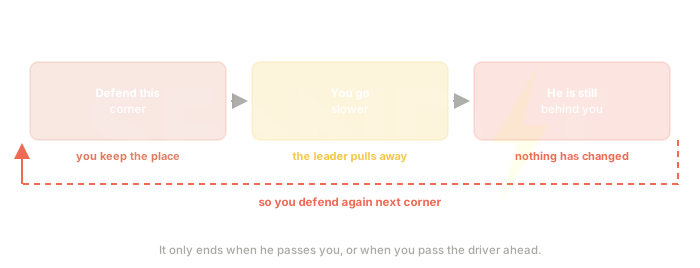
You will only get rid of him if somebody behind is gonna crash into him, or he’s gonna overtake him, or something. That’s many drivers dreams when, when, basically, they’re defending for their life. Say they are defending from lap six onwards, hoping not to get passed but again, it’s, it’s a very poor short term decision.
When defending does make sense
Sometimes is needed. I know. I mean, I did it sometimes, of course, you may need to defend for some reason, because maybe you need to strategically save that position, because maybe you normally go with low tyre pressures, and in the first laps you always struggle. And so let’s say you’re p3 and if you get passed by P4, everybody is going to pass you.
And so, you know, it’s just about holding on to the first lap. Okay, then it makes sense. But if you’re, like, severely struggling with pace, and it is half way through the race and you are in P7, it is kind of silly to defend and bring the whole pack back to you, because then, yeah, I mean, as soon as one pass you, then everybody’s gonna pass you, whereas it would have been, probably been better off for you to to not fight too much that position, and if the driver passes you behind.
I mean, of course, you’re not happy with that, but you can’t change that. And you just have to put your head down follow him and try to pass him back within a few laps and try to find the pace you’ve been missing. But it shouldn’t defend like that. Just that’s very short term thing. And I see so many drivers doing this mistake, and it drives me nuts.
All right, so I hope you got some some value out of today. I believe that if you apply these tips, you’re gonna massively progress. Remember that whatever you do, you gotta make sure that you are taking the right bets. So it’s about taking the right bets. So you’ve overtake whenever you feel there’s a high probability of making the move stick, and the probability is going to offset the risk, okay?
And the risk, obviously, there’s always going to be a risk whenever you’re going to make an overtake. There is always the chance the driver in front does not see you, or that you overshoot the braking, and you’ve misjudged a little bit your calculations, and you drive onto the nassau panel of the driver in front or into his side. But again, make sure you are always in that sending it mentality.
And if you do so, I’m sure that you’re going to be better off more times than not. So remember, you got to also judge very cleverly when you have to be patient, when when versus when you have to attack. So that’s an important thing. You can’t always be patient, but you can’t always be in attack mode. You got to be very clever and understand when to do one and when to do the other.
It’s key. And once you did that, then, well, I’m sure that figuring that out and having situational awareness and taking the right decisions and really taking the right bets whenever it matters, you’re gonna be better off than 99% of the other drivers on the grid. And again, it’s comes with experience and muscle memory. But remember, the best way to get better at racecraft is to watch other drivers on the track racing.
Watch other videos. You know, you build the muscle memory. You build the Yeah, the knowledge base, you build the skills. Okay, already, only by watching, only by viewing, you know, and obviously, not only by you also obviously learn by racing. Come on, let’s as let’s be honest, but and that you learn the most. But if you can’t have the chance to race every day, you should learn by watching other drivers.
And again, whether you are at the track watching another category, or other races from your own category, you’re going to absorb, absorb massively. And again, remember,
You learn racecraft by imitation
you learn by by imitating, imitating people. And that is a real skill. You know, if you want to learn to be a piano player, you watch what your instructor is doing, and try to imitate him. And you see that you know, not only by watching him, but also by trying to do what he did, and by doing so you will become a piano player, of course, if you repeat it over and over again.
So Repetition is key. We know that we already talked about this many, many times, but you got my point. So again, when it comes to mastering your racecraft, you need to do all these things, and you will be way better off than most of the drivers on the grid, I promise you. But remember, if you want to find some lap time today, make sure you sign up to my onboard video analysis package.
I will get back to you with a professional video analysis of your onboard video with a proper breakdown of where you can find lap time, which I’ve been doing for 1000s of times over and over again. Otherwise, if you want to have a mentoring session, one on one with me, you can sign up to that as well, and I’ll see you.
Related: when to overtake versus when to defend, why defending too often loses races, and why half moves kill your race.
Send your onboard footage. Alessio reviews it corner-by-corner and tells you exactly what's costing you time, and how to fix it. Back within 48 hours.
Get My Onboard Reviewed → Reviewed personally by a CIK FIA World Champion, never an assistant.I promise I'll not spam you with repurposed shitty AI content but real experiences that only I, Alessio Lorandi, experienced. Written in my funny English-Italian tone of voice 😂
Alessio Lorandi is the former CIK FIA World Junior Champion, winning against Lando Norris in 2013 & F3 multiple race winner. He's helped 200+ karting drivers worldwide get faster & win WSK titles with BabyRace Driver Academy & now through Senndit, his online karting coaching platform.