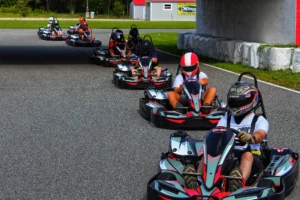
Indoor Karting vs Outdoor Karting
One tracks precision, the other teaches racecraft. Here's which matters more for your development.

- Indoor karting develops precision by forcing you to drive close to walls, making you more precise on outdoor tracks
- Low grip levels in indoor tracks can teach bad sliding habits, but moderate sliding helps build car control
- Indoor tracks are narrower with walls instead of curbs, requiring different track usage techniques
- Both indoor and outdoor karting help develop racecraft, but indoor tracks make overtaking more challenging
- You can use indoor and outdoor karting interchangeably throughout the year for optimal training
- Indoor karting excels at building consistency and practicing race scenarios in a controlled environment
- What does indoor karting teaches?
- What indoor teaches wrong?
- What are the main driving difference between indoor karts and outdoor karting tracks?
- Is the transition difficult from indoor karts to outdoor karts
- What’s the best way to use indoor tracks for training?
- Which improves racecraft more indoor or outdoor track
- When should you switch from indoor tracks to outdoor tracks?
Indoor karting versus outdoor karting…
Does indoor karting help racing drivers or does it actually hurt them?
Now I’ve been asked this question multiple times.
Of course, there’s many differences between indoor karting and outdoor karting. Of course, there’s also many similarities. At the end of the day, you’re still driving a kart.
You’re not driving between white lines and curbs like in outdoor but you’re driving still a go kart within walls, this time, not within the white lines and curbs.
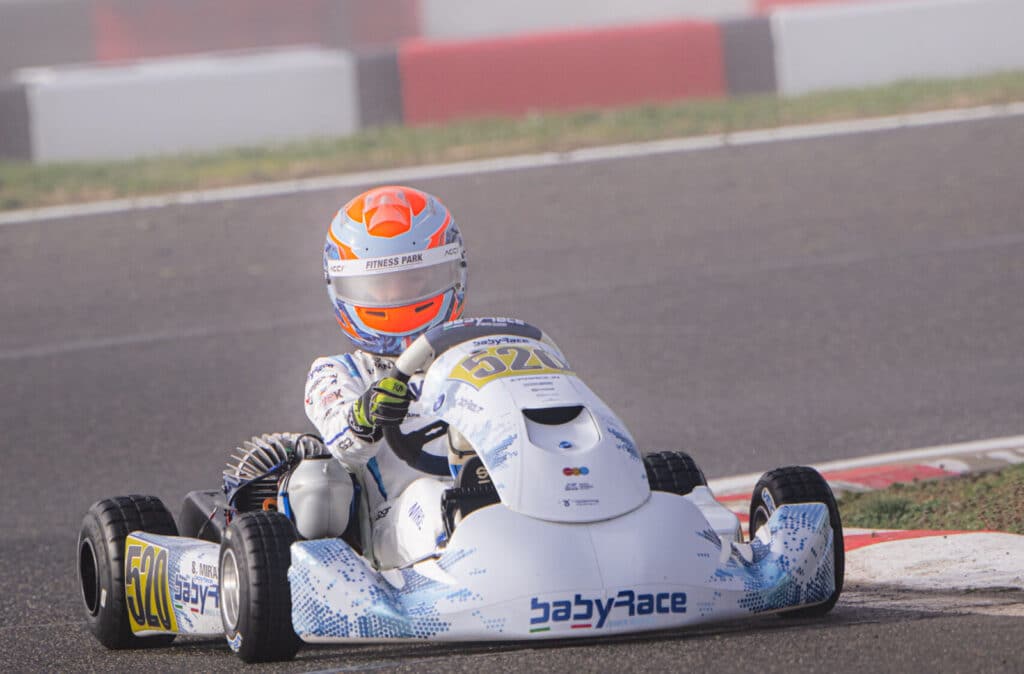
But still, it’s always driving, and that requires pretty much the same techniques, such as strong braking efficiency, smooth steering precision on the entry, precision on the exit, maximizing track usage.
Of course, due to the fact that you are getting closer to the walls on the indoor tracks, it requires even more precision and keeping up the momentum. But at the same time, you have the grip level, which is another big difference, because normally indoor tracks are way more slippery than other tracks.
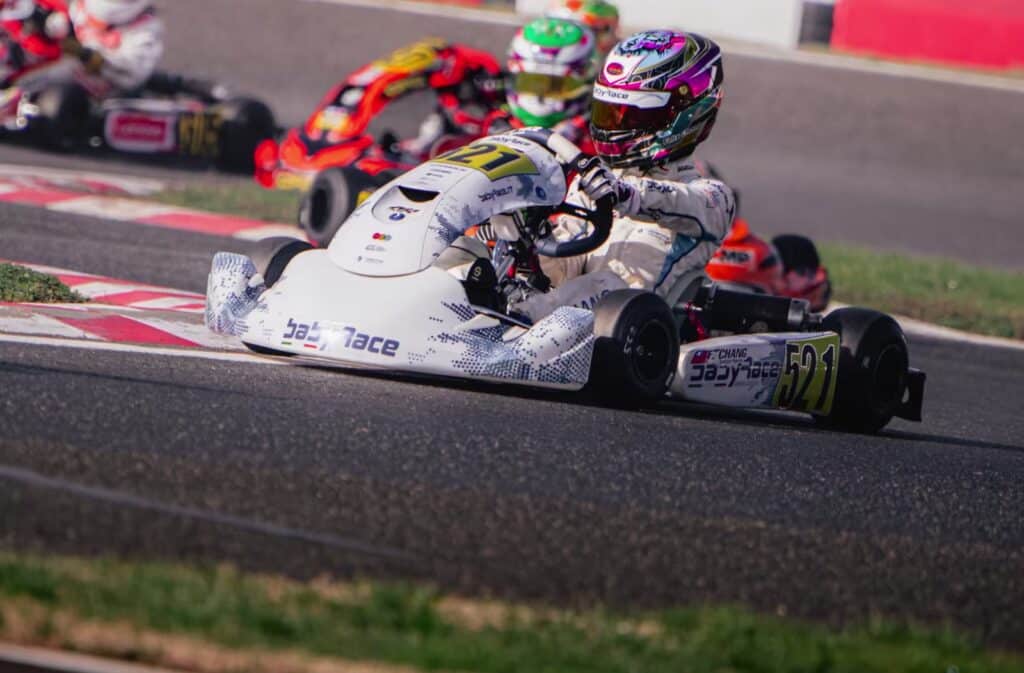
But at the same time, you have a consistent grip level due to the fact that the weather has not a major effect, since it’s most of the time again to do the fact that it’s indoor, it’s not susceptible to temperature changes. Therefore, the grip level should not be that much difference, whereas in outdoor tracks, it is pretty big difference.
Now let’s look into some interesting questions about the two differences between indoor karting and outdoor karting, and let’s see how we can address them.
What does indoor karting teaches?
Well, I think the major advantage of indoor tracks and driving in indoor tracks, basically, is that you drive close to the walls. And driving close to the walls requires you to be precise. Precision is enhanced and strong. Precision, of course, is leading up to a better racing driver, also for outdoor tracks.
That is why we, as a team baby race driver Academy, we do a lot of indoor rental karting sessions, because we fundamentally believe that we are going to be more precise, we’re gonna get closer to the walls.
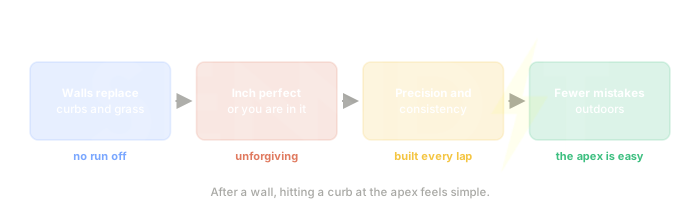
And therefore, by being close to the walls, we build more precision. We make less mistakes on the track, because it’s much easier to then get close to the apex or hit the apex, rather than, you know, getting close to a wall, that you can actually hit it.
But still getting close to the wall, really, I believe, makes you more precise for the real track as well. So I believe that is the major thing.
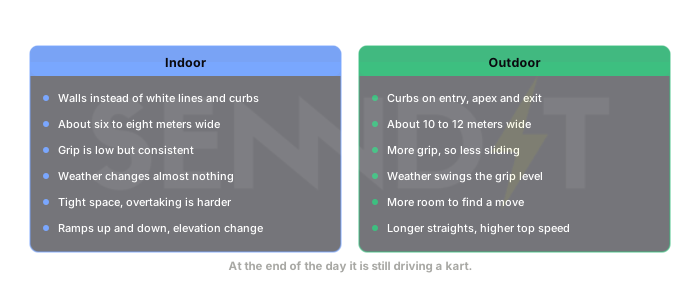
And of course, the fact that you have less space because the track becomes narrower. You know, when you have indoor tracks that, not typically, are not 10 meters wide, but maybe like six eight then of course, you know, you will have to use it.
It’s going to be even more of a difference. Using 20-30 centimeters more of a track, getting close to the walls, it’s going to make more of a difference, rather than you if you had a much wider track, as it’s in outdoor track. So once you will use up the whole track and the indoor tracks, I think you will be used to do doing that also in outdoor tracks, that, in turn, is going to be an advantage.
What indoor teaches wrong?
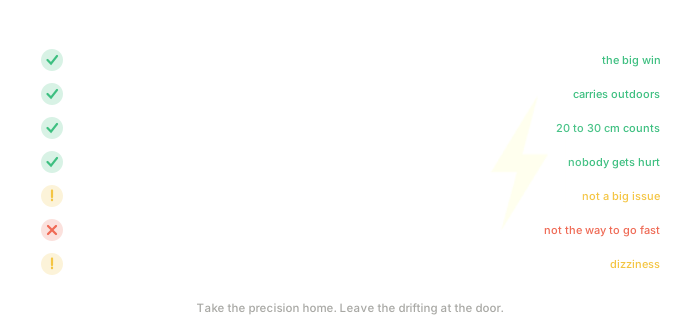
One of the things I don’t really like about indoors, even though it’s not for all indoor tracks the same, is that, of course, the grip level is a bit too low, and you may have to to slide. Sometimes you may have to drift a bit, which may not be the best way to drive in the outdoor tracks, normally with professional karts.
So I feel that maybe sometimes you have that kind of negative thing from indoors. But again, if it’s a little bit of slide due to a bit of a limited amount of grip, I believe that it’s not a big issue. I just believe it’s an issue when it’s too much.
So that’s what I believe, probably is one of the things that could be improved. If the grip level was higher in the under tracks, you would slide less. But there’s nothing wrong with sliding.
What could be wrong is just the sheer amount of drifting. You don’t want to drift at all, because that’s not the way to go fast.
Of course, you want to be sliding a bit and on the being on the edge of sliding when you drive professional karts, because the slip angle is quite large. But equally, you don’t want to slide too much. You just want to be on the edge of sliding.
So indoor tracks sometimes a bit of an issue like that. But again, it depends a lot, from kart, from track to track, from kart to kart, from the grip level of the tires that each track has. So it’s very difficult to be giving a statement, a one size fits all for all the tracks, it wouldn’t be a fair thing.
What are the main driving difference between indoor karts and outdoor karting tracks?
The major difference is that, yeah, well, the track usage will be quite, quite a big, major factor.
In the sense that in outdoor tracks, you’re going to be using:
- Curbs on the entry
- Perhaps curbs at the apex
- Curbs on the exit
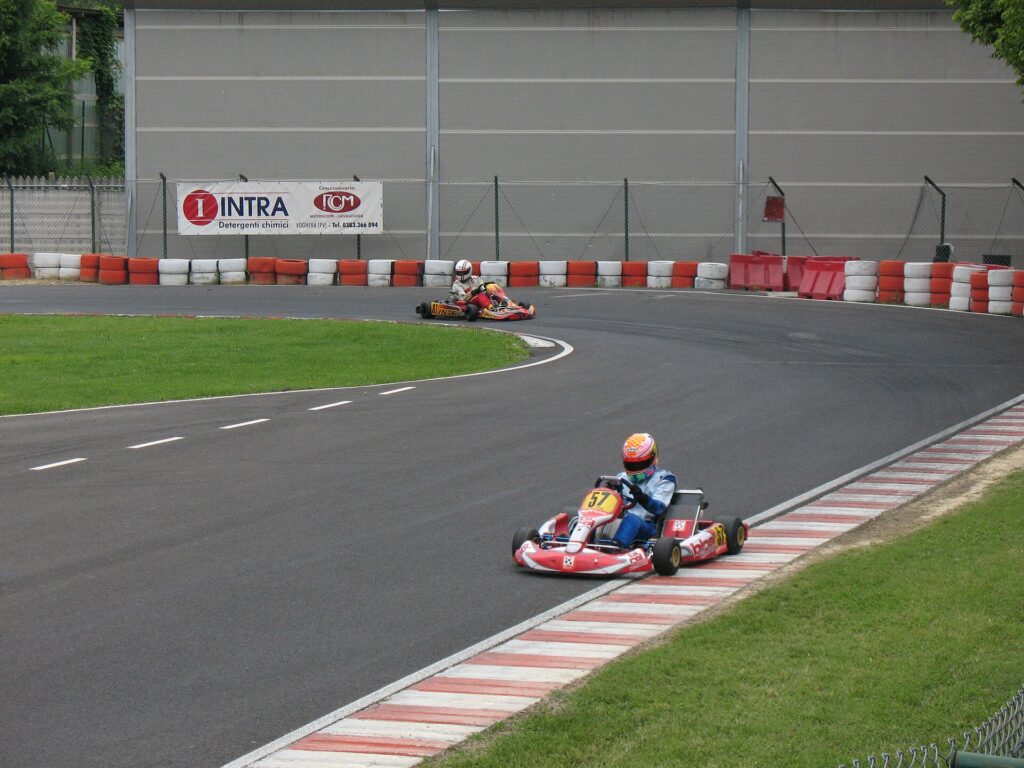
And you will have to obviously use the white lines. There’s going to be the grass or some rub like some some gravel if you go beyond those limits. And of course, you can maximize the track even more beyond the white line if you use the curbs.
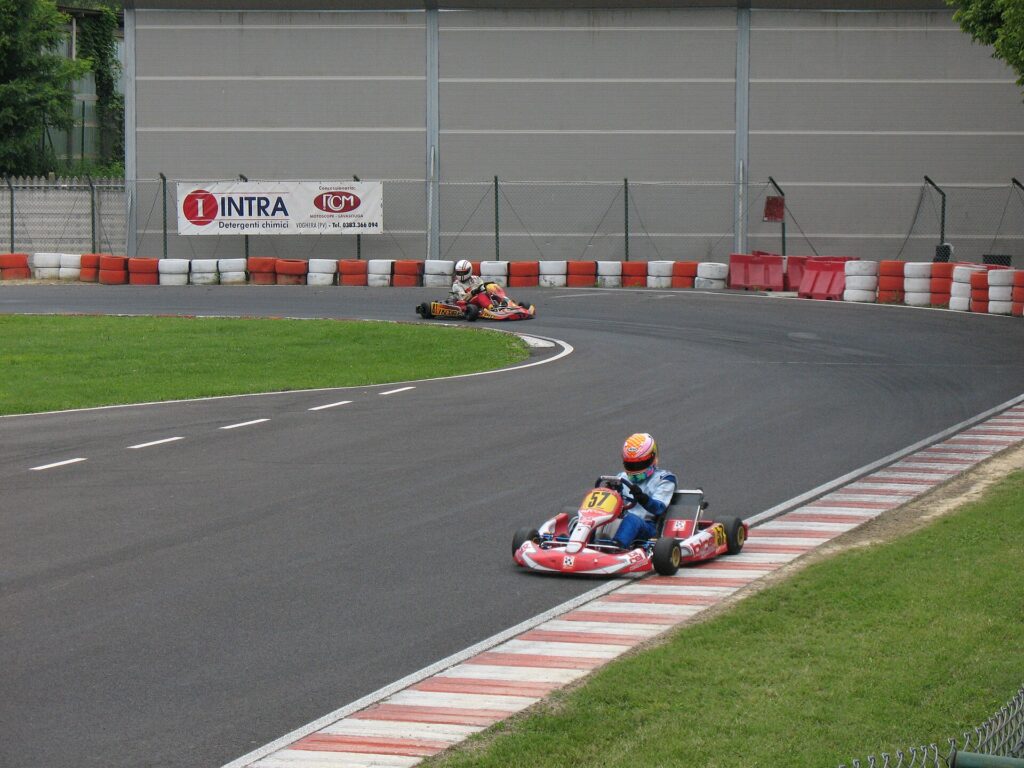
Whereas in indoor tracks there’s the walls, and after the wall there’s nothing. So it’s like the maximum amount of track you can use is all the way up until the wall. So that is your limit. You don’t have white lines, curbs, etc.
You can still, obviously, you still have apex in Indo tracks, it’s just that the apex is not a curb, but it’s a wall, just like in Formula One tracks, on street circuits, just like Monaco Baku or even Singapore, I race those. Well, I didn’t race those, but I raced other tracks like Macau, a race po Grand Prix, I race Norris ring.
And those are the most special tracks that requires the high amount, highest amount of precision from a driver.
I think that is the major difference between indoor tracks and outdoor tracks. And of course, the grip level, as I said already, the grip level in indoor tracks is normally less than in outdoor tracks. And so that’s the thing. Also, the visibility is a little bit different between the two. But again, that’s not too bad.
I would say the track is also bit narrower overall in indoor tracks compared to outdoor tracks. Out tracks are normally 10 times 10-10, 12 meters wide, whereas indoor karts about eight, six meters wide depends, of course, and so it’s a bit harder to make an overtake in an indoor track tends to be a little bit less space.

But at the same time, the good thing about indoor tracks is that you also have a lot of elevation changes. I mean, you can go up, up some levels, up and down. And so I think that it’s quite cool when you go up and you have, like, the, yeah, the ramp to go up and then the ramp to go down. I think that makes it quite enjoyable.
Is the transition difficult from indoor karts to outdoor karts
Well, I think that you get used to it. You adapt pretty quickly, to be honest, depends, of course, from driver to driver.
But at first you will notice that the track is much wider from when you go from indoors to outdoors. The track is definitely much wider when you go to outdoors, and so you will have to get used to using that.
And at the same time, you know that when you make a mistake, you’re not going to go in the wall. So at least it’s more forgiving. The outdoor tracks, the indoors are more unforgiving.
So you know that you can push a bit more the limits, and even if you go a little bit out, okay, worst case scenario, in the grass, you pick up some dirt, gravel, stones, etc, but you won’t really end up in the wall. But again, even though you end up, you may end up on the wall in the indoor tracks. Most of the time it doesn’t get hurt, that’s for sure. But still, knowing that you have no walls makes it probably a bit more fun.
And to be honest, you normally reach also higher top speeds in the outdoor tracks, because in the indoor tracks, normally it’s hard to have long straights where you pick up a lot of speed, whereas in outdoor tracks, because they’re built for professional karts, normally they the speed is quite a bit higher.
And also, at the same time, the air you breathe inside the indoors, especially if they are not electric, if there are the electric karts, then you breathe nicely with proper air, whereas, if you are indoor tracks with fuel karts, gas powered karts. Then, of course, at some point, if you spend too long inside, you may have a bit of a dizziness feeling, as I had a couple of time because there’s a lot of fuel in the on the track being burned, but maybe the area aeration ventilation system, are not the vessels, so you kind of feel it.
What’s the best way to use indoor tracks for training?
Well, the very best way to train is to practice being more precise. So precision on the indoor tracks is key. And I believe that you’re going to be more and more precise on the outdoor tracks if you do a bit of indoor training and you stick to trying to get good at it.
And also, equally, I feel that the consistency, because when you drive indoor karts, indoor tracks, you are forced to pick up more consistency. And so that consistency is is very beneficial for the for the real outdoor tracks.
Why? Well, you pick up a lot of consistency by driving close to the walls. And you know that if you want to drive fast, you need to get inch perfect in each corner, otherwise you’re in the wall. So I think that it’s going to increase the amount of precision, also on the on the real track.
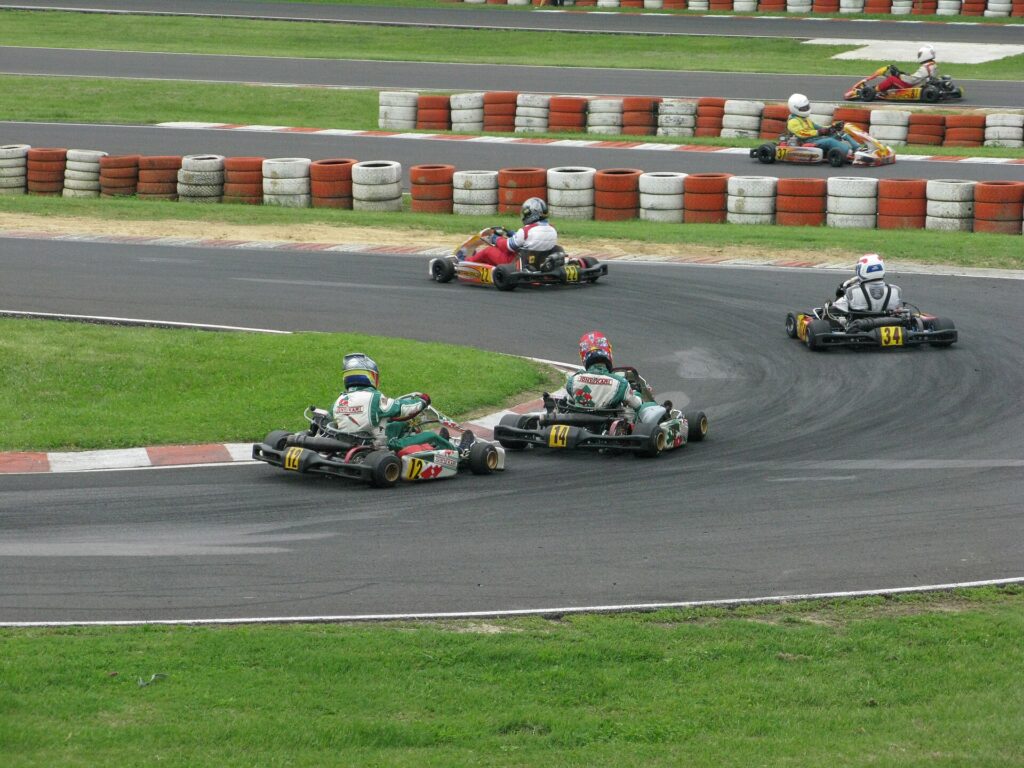
And also, I think it’s quite good to train and practice for racecraft scenarios:
- Attacking
- Defending
- For the drivers during the races
So I think that’s quite good. You can practice that without getting really hurt or destroying the karts. I think it’s possible to really practice some some race situations that, yeah, you may, you may need to, you may need to, otherwise learn them on the track with trial and error.
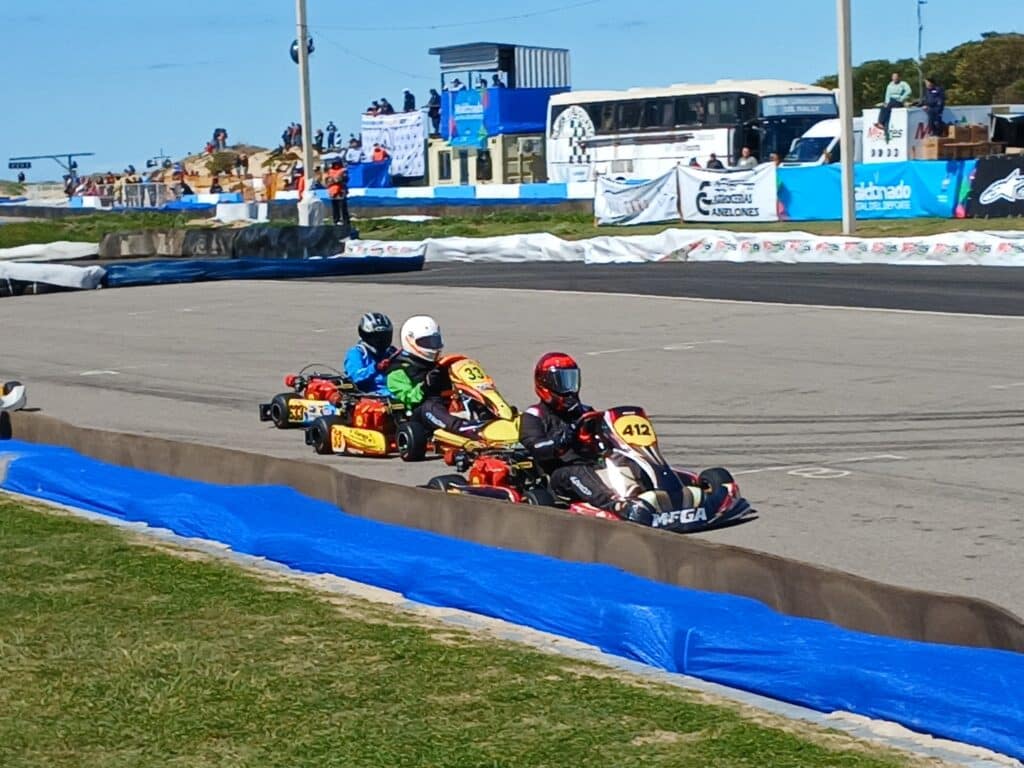
I think this is a great way to put a driver against other drivers, or a driver and another coach, or multiple drivers with the coach, and I think they’re going to be able to learn to be a bit more aggressive, using more their elbows and overall, yeah, just becoming a better racing drivers.
Which improves racecraft more indoor or outdoor track
I feel that they both help. Of course, it’s difficult to choose, but maybe outdoor tracks provide a large a larger track. Normally it’s about 10 to 12 meters, as I already repeated, so maybe it’s a bit easier to overtake, whereas out in indoors is actually more difficult.
And the fact that is more difficult probably makes it a bit more effective. The racecraft you know that you need to find a gap to go, and it’s going to be just a very small margin to overtake, a small place, small gap to go, and so you need to really get used to finding that gap.
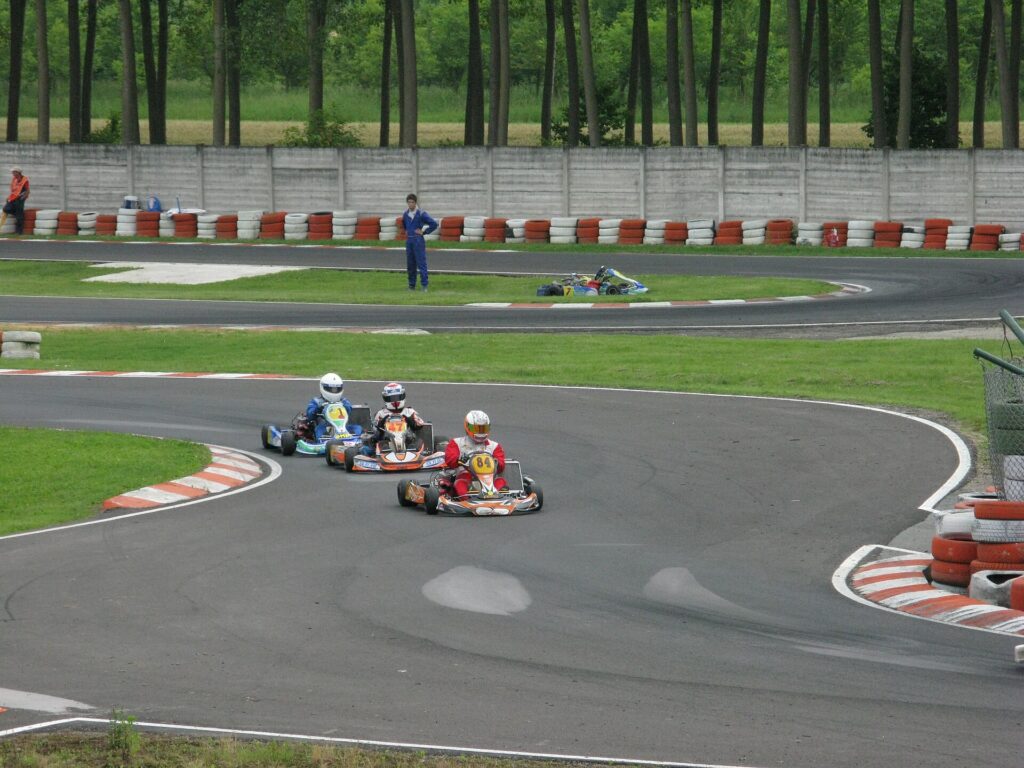
And so I believe it makes it more unforgiving and more difficult. So yeah, I believe that the race craft would be more effective indoor tracks for one of the main reasons. But again, it shouldn’t be too much of a difference.
When should you switch from indoor tracks to outdoor tracks?
Well, I mean, you don’t necessarily have to do that. You will do it only if your end goal is to become a professional karting driver or, you know, moving up to Formula cars, GTs, etc.
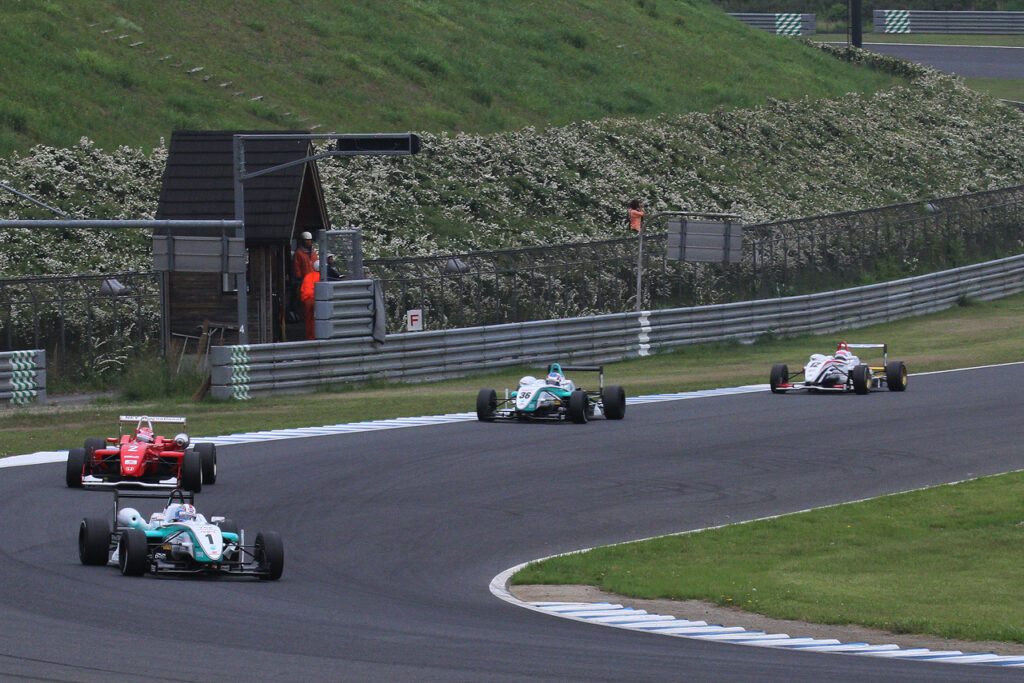
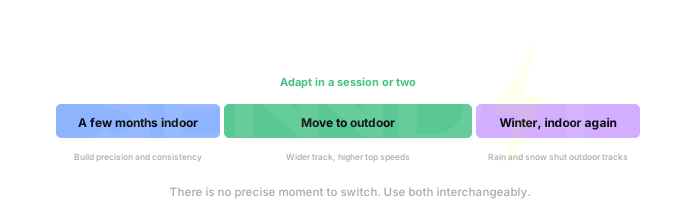
So I feel that there isn’t a precise moment to to make the switch, but it could be interesting to to do a few months of indoor tracks and then move on to outdoor tracks.
Of course, the winter time makes it more difficult, probably, to practice the outdoor tracks, because sometimes you may have a lot of a lot of rain, a lot of snow, so maybe that track is closed or something. So indoor tracks normally provide better training ground, even during the winter, but I believe that you can still do both interchangeably.
Of course, I noticed that indoor tracks are really good for practicing some real life race craft scenarios and practicing also the precision element, as if you were driving in a street circuit.
So, yeah, I just feel that you can use them interchangeably during the year. Of course, though, the driving is a little bit different the style, so I wouldn’t drive too much on the indoor tracks if your campaign and goal is to win the in the outdoor tracks, as most professional drivers do.
Send your onboard footage. Alessio reviews it corner-by-corner and tells you exactly what's costing you time, and how to fix it. Back within 48 hours.
Get My Onboard Reviewed → Reviewed personally by a CIK FIA World Champion, never an assistant.I promise I'll not spam you with repurposed shitty AI content but real experiences that only I, Alessio Lorandi, experienced. Written in my funny English-Italian tone of voice 😂
Alessio Lorandi is the former CIK FIA World Junior Champion, winning against Lando Norris in 2013 & F3 multiple race winner. He's helped 200+ karting drivers worldwide get faster & win WSK titles with BabyRace Driver Academy & now through Senndit, his online karting coaching platform.