3 Reasons Why I Hate “Slow In Fast Out”
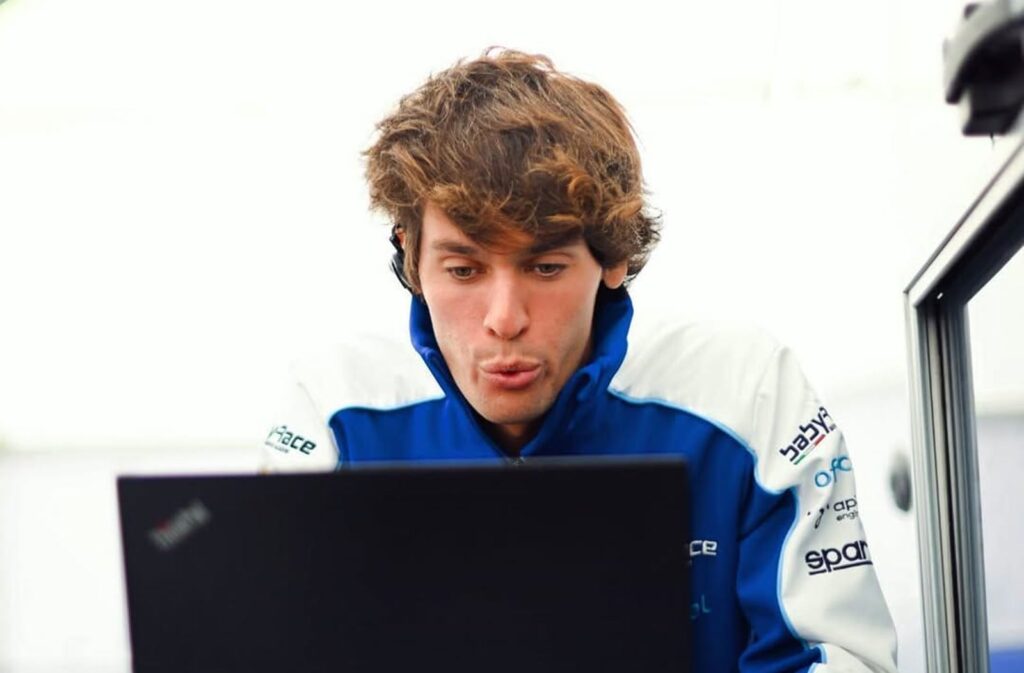
Guys, welcome back. I just got back from my from a race today. I mean, I didn’t drive. I was with with the team with BabyRace. We had an X30 …


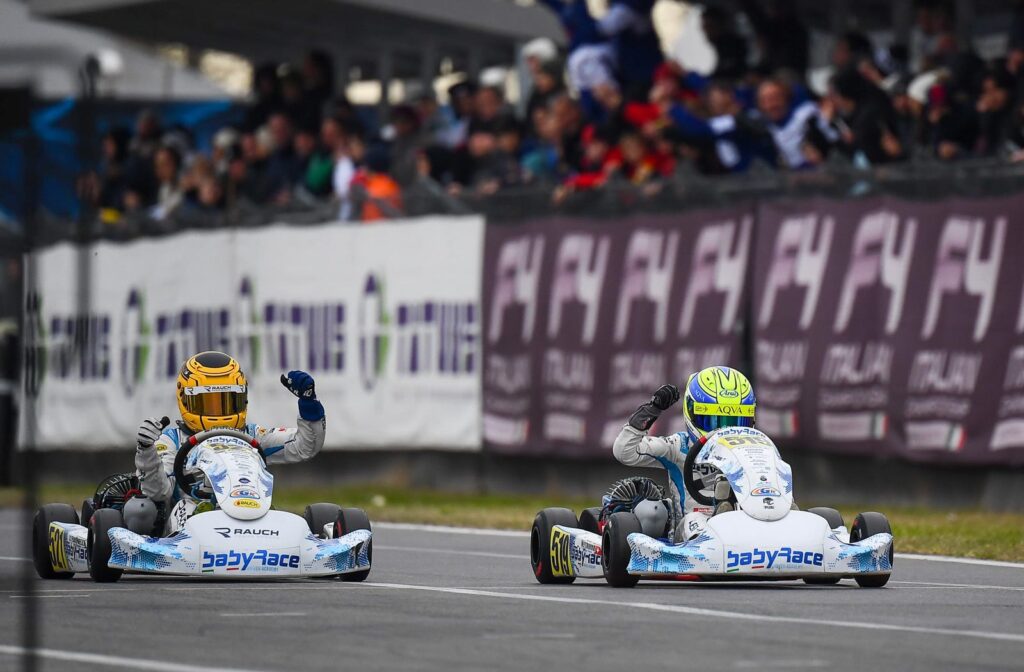
Guys, welcome back. I just got back from my from a race today. I mean, I didn’t drive. I was with with the team with BabyRace. We had an X30 race in Lonato. It went pretty well. We did one, two, and three in under 10. And P3 in Gr.3 in 60 Mini, obviously. So, I was quite pleased. But, while I was having a shower, like literally an hour ago, I was thinking at what happened this morning and when I was watching the data of of one of my driver against one of the other driver, you know, two teammates.
And and I could I could see something that I think relates to a lot of drivers and that a lot of drivers makes as a mistake. And I think it starts from mechanics or coaches or parents giving the wrong advice and the wrong guidance. And that is the concept of slow in fast out. And in this guide, I will share with you three reasons plus a bonus one of why I hate the concept of slow in fast out and why I believe it’s also just bad to teach the kids and you know, any racing driver to drive with this kind of approach and mentality.
And I’ll go through each one by one. Agree or disagree – I would like to know. It’s It’s something that I have discovered over the years not only by driving myself, anything from, you know, karting to Formula 3, Formula 2, etc. You know, I had really seen not only on my driving, but also on on my drivers at BabyRace.
And here at Senndit, like I can see that all the drivers have this sort of mindset are going to struggle in the long run and normally struggle and may get some fast laps here and there, but in the race pace and in just like in the racecraft, too, they will always kind of struggle. And I will share with you the exact reasons why.
So, into the first one. The first point that I was mentioning, okay, the first reason why I believe it is terrible to drive with the mentality of of slow in fast out. Okay, so the first and the number one, all right, which I believe is the most important, is that if you
- Brake early and you usually turn early, apex early, and lose the exit too. Slow in, slow out.
- You only build car control at or above the limit. At 98% you are learning nothing.
- If you never over-push, you never find out where the limit is. Frena piu tardi.
- Attacking the entry is how you heat the tyres — and in a slow corner it is the only chance you get.
- Hard tyres, cold track, low grip: that is where slow in, fast out hurts most.
- Braking is a trained skill. Brake hard enough to have the rear moving, and train it deliberately.
- Early on the brakes makes you lunch in a race. Late braking is a shield.
- It is not never. Slow in, fast out works in some corners — as a default mindset it does not.
- What slow in, fast out actually claims
- What actually happens instead
- Brake early, turn early, apex early
- What it looks like on the speed trace
- Two teammates, this morning, in the warm-up
- The crossover that gives it away
- Three tenths lost in a single corner
- Reason 1: you never build car control
- Car control only exists at or above the limit
- Reason 2: you never find the limit
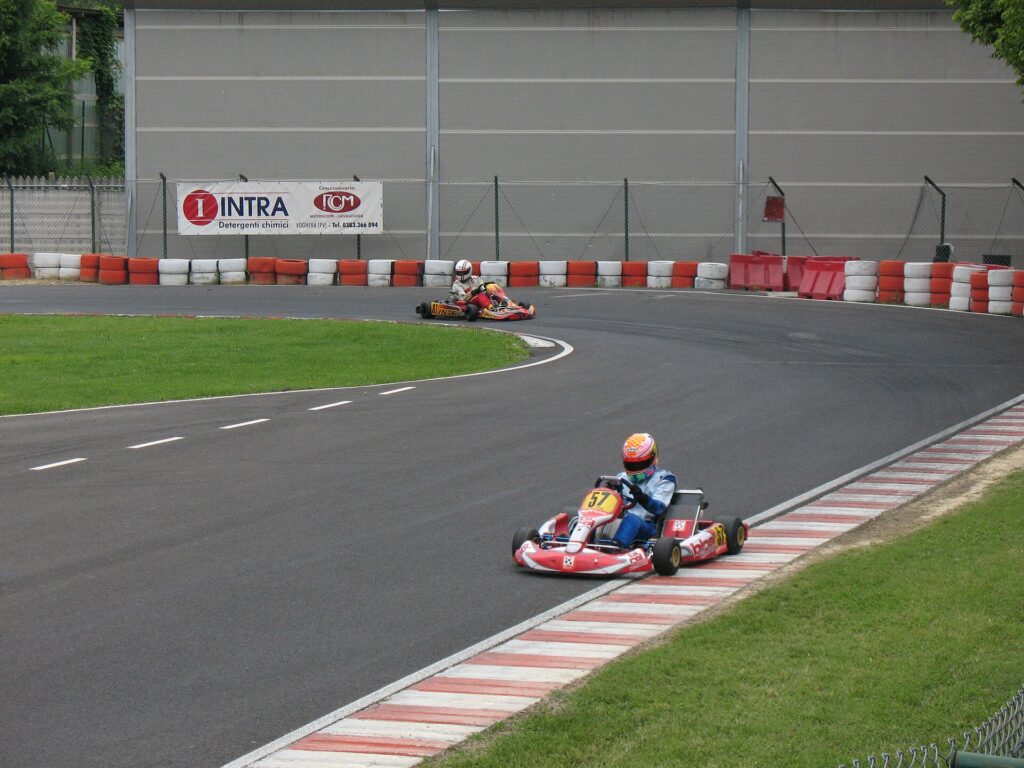
- The old mechanic’s corner at Lonato
- Frena piu tardi. Prova di piu.
- 98% every lap is not good enough
- Reason 3: you never heat the tyres
- Grip is a function of temperature
- Hard tyres and a cold track: the worst combination
- Verstappen at the 2012 Winter Cup
- Bonus 4: braking is a skill you never train
- How hard you should actually be braking
- Bonus 5: it makes you a target in a race
- What happens on lap one in a pack
- Late braking is a shield
- What that driver did in qualifying, two hours later
What slow in, fast out actually claims
The concept of slow in, fast out is simply this: stop the kart early in order to get a better exit. That is the theory.
What actually happens instead
But, the reality is not like that. And the reality is that most of the times when you try to brake early, you know, stop the car early in order to get a better exit, 90% of the times, I would say, based on my experience, not only you get a bad Yeah, you you you get a bad entry, so you lose time on the entry, but you also or even more lose time on the exit.
Why that happens? For many reasons. Because normally
Brake early, turn early, apex early
when drivers brake early, automatically they start to turn in early. And when they turn in early, they apex early. And when they apex early with not enough rotation, because, you know, when you attack that corner, you generate rotation. When you’re not attacking the corner cuz you’re going slow, you do not generate the rotation. And therefore, you will have some understeer in the mid-exit.
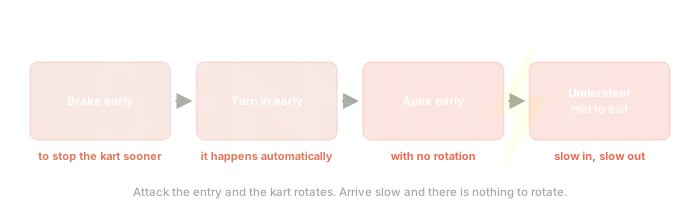
And so, you Normally, what happens is you brake early, automatically turn early, apex early means, you know, you have to rotate the car on the exit and therefore it’s a worse exit, too. So, that’s why I feel This is the what what people sell you the idea, you know, the coaches, mechanics of the paddock. They say, “Oh, you got to go slow in to get fast out.”
Most of the times, what happens is that you go slow in and you go slow out. So, this is the what they think is that you go slow in, like the red, and then you go faster out.
What it looks like on the speed trace
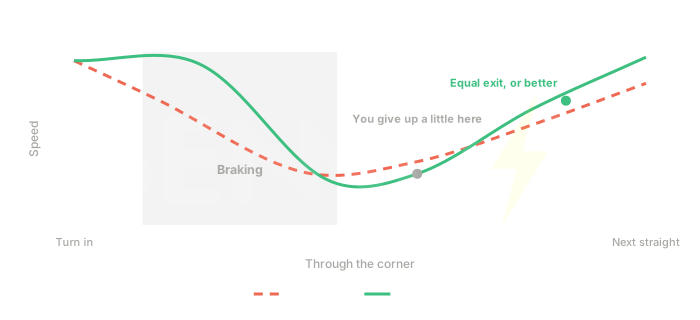
If you are familiar with data, that’s basically the This is the speed trace, okay? This is the speed, all right? And and this is like the red braking earlier in order to get a better mid-exit and the green braking later. And typically, what’s thought is that the green is going to get worse. But, the reality is not really like that.
The reality is that the green, most of the times, when you are the green and you’re able to like brake really late, stop the car, okay? You’re going to possibly lose a bit in the mid-corner, but most of the times you’re going to get equal exit or a little better, which I think it’s really like that. This is really like what I see day to day.
And I will show it to you in the data. I was Actually, let’s show you right away.
Two teammates, this morning, in the warm-up
So, this was from this morning, literally from the warm-up, these two drivers. This driver actually the driver in in red finished P3 in the race. And he had P2 in quali. The driver in green finished P5 in the race in the final and finished P4 in quali. So, what you can see here, which is very interesting, is that the red No, the green, actually, it’s approaching the slow in fast out technique, all right?
You can see that, exactly what I’m talking about. So, the green is starting to approach the slow in fast out technique. So, what does he do? As you can see, he brakes earlier, all right? Even though the RPMs here are a little bit offset, but anyways, stay with me. He just brakes a bit earlier. Okay, he comes with a less speed from the previous corner cuz he messes up the previous corner.
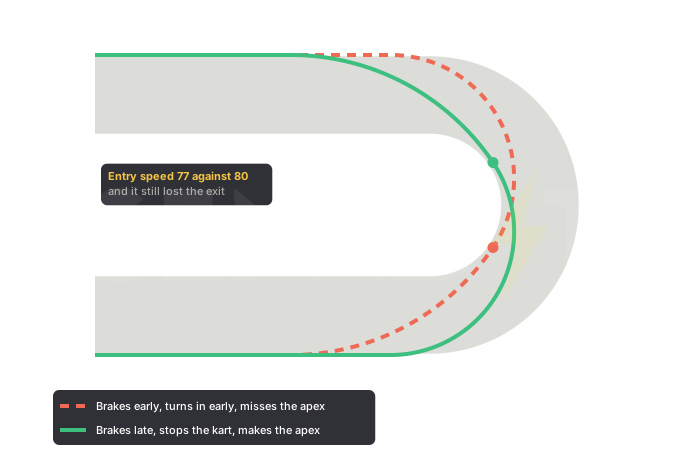
Actually, no, I think this is more of a slipstream thing, okay? Interesting there. But, yeah, anyways, for some whatever whatever reason, he arrives with a little bit less speed into the corner and he still brakes in relatively the same place or Anyways, the the the end result is that his entry speed into the corner is slower. Okay? It is 77 against 80.
And you would argue like, okay, if the slow out if the slow in fast out technique should work, it should have a way better exit, right? So, the green should have a way better exit. No, but it’s exactly what happens, all right? Most of the times when you are braking early, this is exactly what happens. As you can see from the map, look at the green.
The green starts to turn in earlier, but then he ends up missing the apex, all right? And just washing out wide. Now, I’m not saying that every time you turn in early, you miss the apex. I mean, that’s that’s silly for me to say that. But, yeah, sometimes when you brake early, turn early, I see lots of drivers that are are doing that.
And you can
The crossover that gives it away
you can look at this crossover. This is the the definition of not holding the brakes on holding the brakes properly and this is exactly what happens to to many of the rookie drivers, especially in 60 mini, the young drivers. They are braking maybe initially quite well, but then they come off the brakes too early cuz they realize they’re too early and automatically they release like they you start to turn in.
They go a bit too quick on the entry. They miss the apex, as I mentioned. You can see very quickly very I hope you can see because I know my I can’t see my face here in the in the in the in the bottom right side. So, I have to just assume where it is. All right, anyways, you can see he missed the apex.
But, then you can see most importantly, he loses a lot on the exit.
Three tenths lost in a single corner
So, overall, if you look at the delta time, what he loses is going from 1.98 to 4.94 by the next corner. He lost three tenths in that corner alone. And what basically we can see is that he’s doing the slow in fast out technique, but the problem is, as I would say most of the times, when you are approaching the corner slower on the entry, most of the times also get a bad exit because, as I said, most of the times when you brake early, automatically you turn in early, you release the brakes cuz you realize you’re too slow.
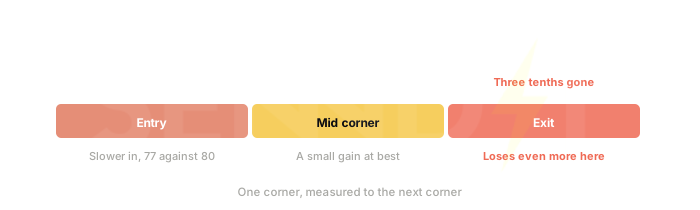
And most of the times the kids are not able like you normal drivers, you know, or even even adults, they don’t realize they they’re, you know, because they’re releasing the brakes, they’re actually carrying me too much speed by the mid-corner and then they actually end up missing the apex and getting a worse exit. But again, anytime you’re turning in too early for whatever reason, most of the times you’re going to get a worse exit, okay?
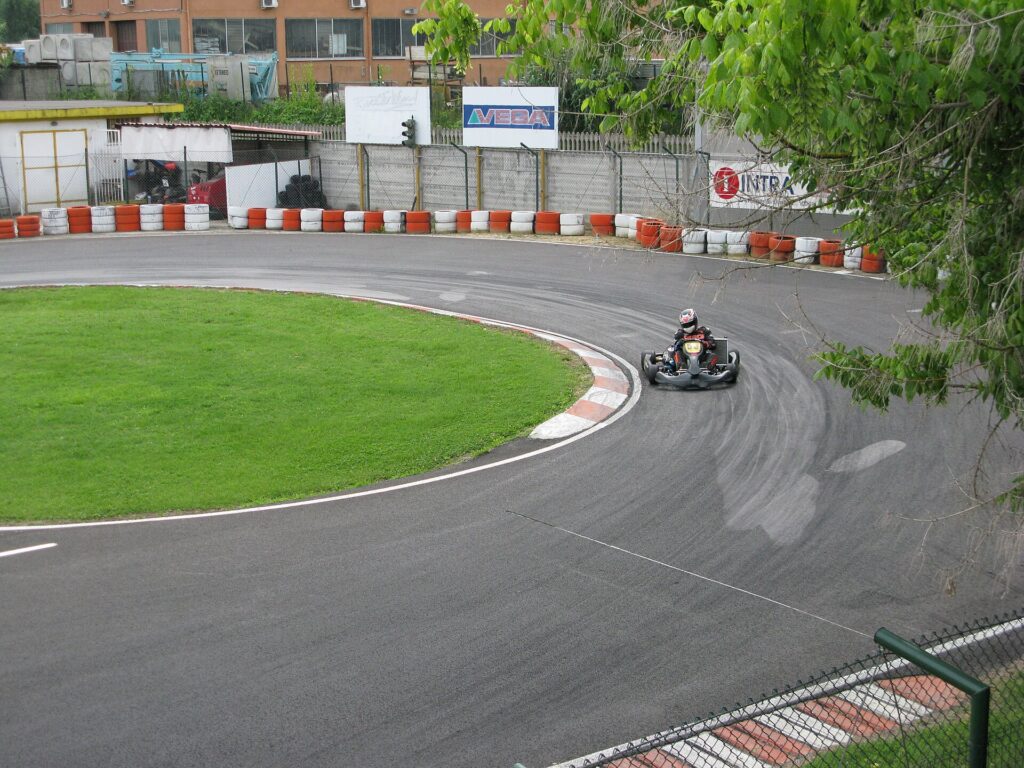
Especially in the hairpin. Now, in the fast corners, it’s probably to turn in very early, but in the in the slow corners, especially hairpins like this, it will not work. So, as I said, the number one reason, okay, that I mentioned before for All right, that Actually, I was about to mention, but I didn’t. So,
Reason 1: you never build car control
the number one reason why it’s so bad to do slow in fast out, actually, is that you never learn how to, you know, Um, you you don’t train the your car control, okay? So, you’re not developing your car control skills. Okay? This is what I’m trying to to point it out. So, no car control development, okay? You have to think about it.
Every time we are going fast and, you know, fast in the corner, you’re developing car control. But, you know, think about it. If there’s a limit, I already talked about this like in a few days ago in another guide. Call the limit 100%, in a given corner. If you drive, for example, below the limit because you’re not pushing hard enough on the entry and you drive at 90%, okay?
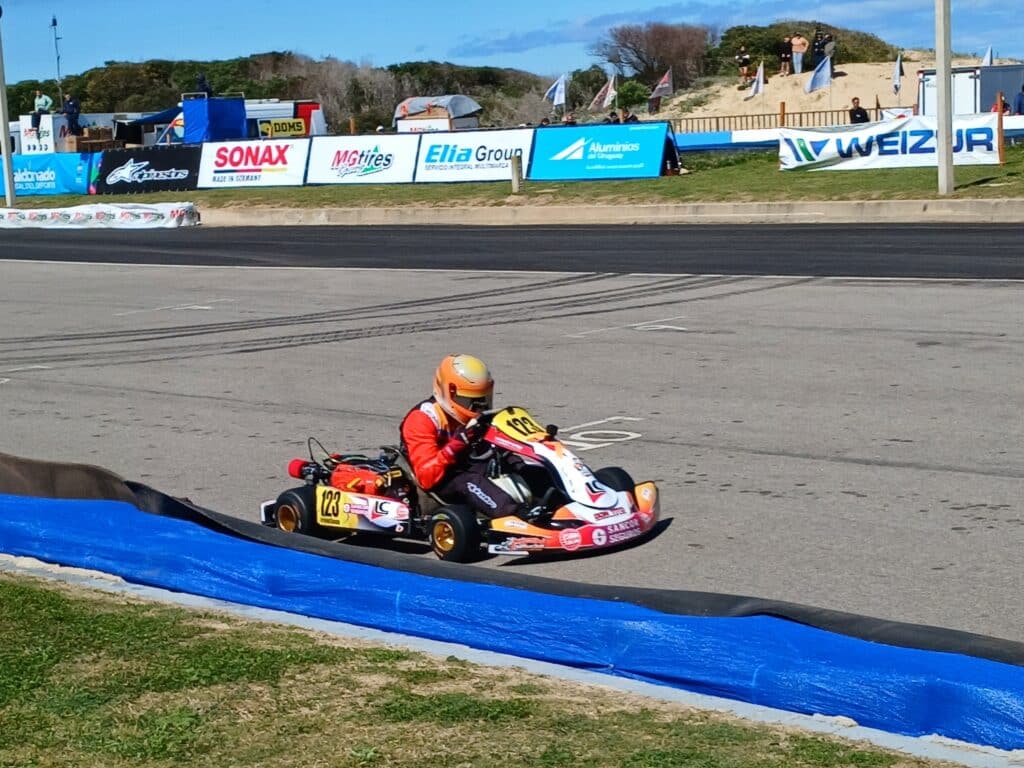
You’re not developing car your car control skills. Because you are the car is not either understeering or the car is not even either oversteering. And if you’re not driving in that zone, all right? Where you’re testing your your your your car control skills, you’re never learning. You’re never developing as a racing driver. You know what I mean?
Car control only exists at or above the limit
So, if you’re driving anywhere beyond the limit, anywhere beyond the limit from 100% onwards, that’s beyond the limit. So, from 100% to let’s say 110%. So, that basically means that anywhere from 100 to 110, it’s beyond the limit. So, you still lose time because maybe you miss the apex, you brake too late, etc. But, you do that because you overpush.
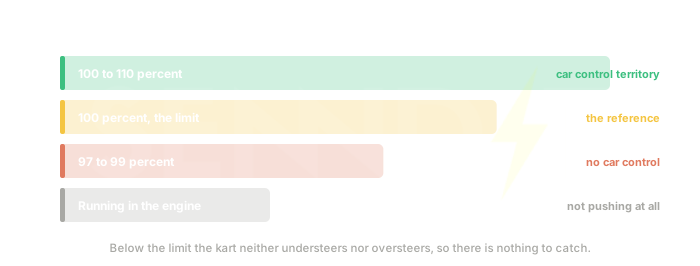
So, anywhere here, it’s like anywhere from like from here to here, it’s car control territory, okay? You develop your car control. Okay? Here, below, you do not develop your car control. So, think about it. When you are running the engine, right? When you’re running the engine, let’s say, anywhere from 100 to zero, you’re not developing car control. Think about when you’re running in the engine.
When you’re running in the engine, are you pushing in the corners or not? Not. So, are you developing your car control or not? Not. Okay? So, no car control. So, that is the number one thing and the reason why I hate slow in fast out is because you never really push your limits, you never really get used to Yeah, you never really get used to driving beyond the limit and therefore you are just never really actually learning how to drive.
Okay? You’re just like a passenger. You’re not attacking, you’re not learning. That’s my take. You’re not attacking, you’re not learning.
Reason 2: you never find the limit
So, the number two reason, which is uh something I take it, you know, very very personally and I think it’s a very related to the first one, okay? Is that uh you never really know where the limit is. And this is something that
The old mechanic’s corner at Lonato
my mechanic told me when I was like 10, 11. And I wish somebody to could tell me even earlier. But, it was like unless you overpush, that’s what he used to tell me, Alessio. Because we were in the hairpin at Lonato, you know, the for the guys who know Lonato, like there used to be a old layout of the track and it was so cool cuz there was like a it was named the mechanic corner.
And mechanic’s corner, there is still like a corner which is named mechanic corner, but it’s a completely different corner. Like let me make the shape. So, it used to be like like a a very low speed hairpin like that and then it was like like this and then you go to a like a straight, you right? So, in this hairpin, you would have to smash the brakes, all right?
Let me like this. You would have to smash the brakes so hard and you have to really attack the entries and and to be honest, you wouldn’t you like it would really force like it would be good for you to attack the entry because there wouldn’t be like a long straight. So, let me show you. So, this would be a typical line.
You’d be all open, attacking the entry like crazy and then you’re going to be like that preparing for the next one, etc. So, even if you overshot a little bit, let’s say, let me say the blue overshoots the corner. So, even if you overshot the corner because you braked so late, you wouldn’t have lost much on the exit because you’d still be able to make it back for the next one.
You know what I mean? So, it was such an amazing corner for me to develop my my own you know, braking skills, car control skills. And I remember my mechanic used to tell me, “Oh, Alessio, if you’re not overpushing, I mean,
Frena piu tardi. Prova di piu.
if you’re not braking so late that you miss the corner, how do you know where the limit is?” And he was right. You know, at first I was too focused on making the apexes, I was too focused on being precise. I was talking but then it was like, “He did not say it in English, of course. In Italian it was: “Frena più tardi.
Prova di più.” And “Brake later. Try more, you know, try harder.” And he was totally right. You know, God bless him for for giving me that insight and I wish I mean, somebody could tell me earlier and, you know, maybe this is the wake-up call for you. You do not want to drive constantly below the limit. Because if you drive constantly below the limit, you will never know where the limit is.
For real. Like for real. Like going back to this example I was sharing you before. Let’s say if you were driving every lap, but, you know,
98% every lap is not good enough
it’s just enough that you drive at 98% every lap. 98% means you’re like half a second off at the end of the lap. Maybe it’s not a very bad lap, you know? You it puts you still among the top 1% drivers in in in the world. I mean, well, not 1% but maybe like top 5% drivers in the world if you’re within half a second off from from like a WSK race weekend or like a CIK-FIA race weekend.
So, okay. But, let’s go back to it. So, if you’re driving at 98%, all right? You’re you’re basically never tele-testing the limit, okay? So, let’s say, you know, this is like your 98, then your 97, 99. This is like across a session, yeah? You’re never testing the limit. How will you know where the limit is? It’s going to be impossible for you to test the limit, right?
So, that’s why I want the drivers to do the opposite. I want drivers to, you know, lap one go very aggressive like beyond the limit and you bring it back a bit. Okay, now I’m under the limit, now beyond the limit. Okay, now and then let’s say by lap four they found the limit, all right? By lap four they found the limit and ideally they they drive on the limit by the till the end of the session.
Converse vice versa, they were the drivers were driving under the limit and they’re not really pushing the entries. So, the slow in fast out techniques, they these guys are always like driving here in 98%, 99%, 97% and you they will never be able to find the limit. I’m telling you. I’ve seen it. I’ve seen it. These guys will never find the limit and the So point number two: never testing the limit.
There are two bonuses at the end of this, not one.
Reason 3: you never heat the tyres
The number three, right? Is that when you are going slow on the entry and you’re not attacking and you’re probably not braking as late, you’re not probably not braking as hard, what happens to your tyres? Are they being stressed or are they being, you know, massaged, you know? Think about it. They’re not going to be stressed so much. And what happens when you’re not stressing the stressing the tyres?
You’re not generating temperature. You’re not generating heat. Heat, okay? And so, when you’re not generating generating temperature, you’re not generating grip because remember, guys, temperature is well,
Grip is a function of temperature
grip of the tyres is directly correlated with temperature, okay? If this was a graph, okay? Ooh, sorry. So, this is like I don’t know if you at school you did the XY graphs like that, you know? So, basically grip level, I mean, I will make it very simple. Like just don’t quote me for this. But, the grip level basically it increases all the way it goes up, it goes up, you know, it increases.
It goes from cold to green. And then at some point, you know, it starts to go down when it’s too hot. But, it’s like very hard in karting to get too hot tyres, especially like in the winter. So, then it gets if you are too much Okay. So, this is So, this is grip level. Sorry. Let me actually make it.
So, this is grip. All right? And in the X axis and in the Well, is that the X Well, anyways. Here is the there is the temperature, okay? Temp. So, as you can see here, the higher the higher the temperature, the more grip there is, obviously until a certain extent. And that extent is is here, okay? This is, for example, at at until the certain extent.
And you obviously it’s like here is like, for example, 90°. As soon as you go past 90° of your tyres, it depends obviously. Guys, don’t quote me for this for every tyres. But, if you go past 90° C, most of the tyres on the market are going to start to you know, start to blister or, you know, overheat and lose the grip.
So, but from here, for let’s say from 0° all the way up until 90°, you’re going to get more grip. All right? More and more grip, I’m telling you. But, again, every tyre is going to behave differently. You know, some tyres are going to behave like that that is going to be I mean, actually. Some tyres are very hard and they will have a window like that, you know, a little bit later, all right?
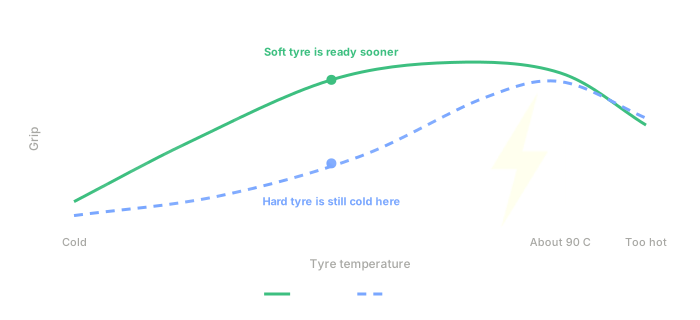
Some tyres are a little bit like that. So, they’re very soft and they don’t need to have a lot of working temperature, okay? I love those ones like Vega. Some tyres are are like that, all right? They’re even softer and they don’t need to write So, you will get many different type types of tyres, obviously. Don’t quote me for all the dry tyres.
I mean, I’m just giving you an example here. So, what I was about to say is that you know, this direct there’s a direct correlation between temperature and grip. Clear? So, as I said, the first few laps, your goal as a driver, unless it’s summer and it’s like 70°, 60 degrees C asphalt temperature, unless that is the case, the first few laps in any other conditions, you you will want to generate as much temperature as you can until obviously you feel like you got to the you know, to the optimal peak of the tyres in terms of temperature and then you have to control them.
But again, that’s something that the driver needs to feel, you know? You need to feel when the grip is is is fine and you arrive you feel like that the grip is arrived, then you don’t want to over push cuz then otherwise you’re going to you know, blistering and you know, overheating the tyres and that’s not good. But anyways, so let’s write it down.
So, the point number three is that when you are driving constantly under the limit, guys, you have to consider that you’re not stressing the tyres. You’re not stressing the tyres so much and so you are no Oh, actually, no temperature on your tyres. No tyre temperature. Temperature. Okay, this is what I’m talking about. You will take more laps to get up to temperature in this case, all right?
It’s going to take you more laps to get to this peak, okay? Let’s make an hypothetical scenario. So the driver who attacks like crazy is going to be up at the peak early and then it’s going to stay, okay? The the driver who’s driving with slow in fast out technique is going to take so long to get the tyres up to temperature.
Now, I’m exaggerating, but you know, it’s really like that. I’m not joking. It’s it’s really like that, you know? It it’s going to make a big difference whether you attack the corners or you’re being conservative. So, it really makes a difference, especially if you’re driving with MG tyres with you know, No, LeCont are quite good, but MG Maxxis, Mojo, you know, the best ones so far as I’ve ever seen are LeCont, Vega and to be honest, Komet and and and LeCont are not too bad.
They’re quite good. I quite like them as a tyres. They’re quite soft. For me the best of the best is LeCont. The second best is Vega. Obviously, it depends which one Vega white for the KZ’s is is very good and also for the other categories. Then Komet. The worst, in terms of grip level, are Maxxis and MG. I mean, they’re good for if you just want to go and drive and doing like 200 laps without changing the tyres.
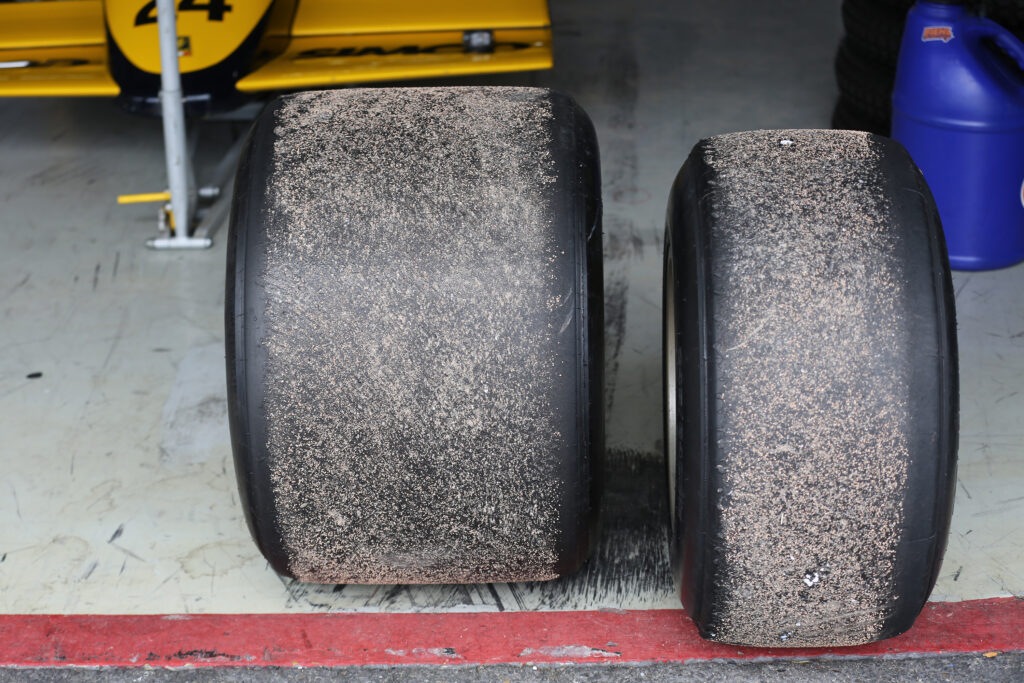
I mean, that’s those are fine, but if you want to go and you know, attack like attack the lap and and try to get max performance on a random day, those those tyres are not soft enough. They’re too hard. But on top of that, that’s actually an interesting thing. The harder the tyre, the more you’re going to feel this issue with you know, not enough temperature and not enough grip.
So, so the harder tyre So, if we go towards MG tyres or Maxxis tyres,
Hard tyres and a cold track: the worst combination
the tyres are very hard and if you combine hard tyres with cold temperature and even low grip, let’s say. Hard tyres, cold temperature and low grip, if you combine these three things, the the slow in fast out technique is going to be even worse. You’re going to in that conditions when it’s cold, you’re going to attack like crazy the entries, okay?
You’re going to attack like crazy the entries and I’m telling you
Verstappen at the 2012 Winter Cup
I remember Max Verstappen. I was looking up to him, you know? We were at we were at South Garda Karting Lonato and it was a Winter Cup 2012, the first time I was looking at him like with my eyes live cuz I used to watch him on on the races like like on on YouTube or whatever watched it, but like when the first time I saw him was like the Winter Cup 2012 and I could see this guy it every session he would go into the first couple of laps and he would like you could see smoke coming out of out of his tyres on the brakes for how hard he was braking, for how hard he was attacking and I’m telling you would definitely not be driving with a slow in fast out approach.
It would be fast in and fast out, you know? Fast in, fast mid, but like fast in that was he was attacking the entries because guys, the entry is the only opportunity you have, especially in the slow speed corners like hairpins, is the only opportunity you have to generate temperature. And I’m telling you if you attack the entries, you’re going to have more temperature more temperature equals more grip to the rest of the corner.
So, Max that day show like made me realize, holy we’re all getting it wrong, you know? We need to attack the first laps like crazy and every time I could see his races, he would just pulled such a massive gap in the first laps and yeah, it would just be like cruising in the end. So, let’s go to the to the number four, which is the bonus I actually wanted to share.
So, bonus number four, okay? Bonus. So, actually and number five. So, bonus number four, let’s actually say the first the last one I just came up to my mind. So,
Bonus 4: braking is a skill you never train
bonus number four is that you are never developing your braking skills. Cuz guys, braking, okay? Is a skill. And if you all the time brake below your limit and you know, below the potential pressure of the of the brakes and potential pressure like potential grip of the tyres, if you’re if you’re braking all the time below the below the limit, all right?
You are going to never get the feeling of braking on the limit, you know? Guys, like in in karting especially with most categories, most tracks and with most tyres,
How hard you should actually be braking
you want to brake hard so hard that you lock the rears, all right? And you want to almost like have the rear like it’s like coming on the brakes like it’s moving a bit. You want to almost almost that. And I’m telling you if you are and I love that, but it it’s it’s really something that you have to develop.
It’s not something that as soon as you come out and when you’re a baby, you’re like, oh, and now before even jumping into the car for the first time, you’re able to brake perfectly. No, it’s something you develop. I’m sure Max Verstappen was not built like that and was not able to brake like like you know, like a legend already from from day one, session one, lap one that he got to the track, you know?
He got he got a lot of laps and he got a lot of laps to to practice and he became the driver he became and I think he is is the number one. I mean, I raced Russell, I raced Norris, and I raced I mean, I won the world championship against Norris in 2013. I I raced many others. I raced Stroll, I raced a bunch more, but I mean, Max I raced Leclerc as well, but I think Max was just another level in for many reasons.
Um But but yeah, he’s I mean, what I’m saying here in terms of um you know, going back to the slow in fast out technique, technique, if you are doing that slow in fast out technique, you’re not basically putting your braking skills to test. You’re never again going beyond your limits and again, you you are always staying within your comfort zone.
That is the problem. You stay within your comfort zone and staying in your comfort zone just basically is a is a the recipe for not improving, you know? You just stay the same. And I don’t know about you, but if you stay the same, you’re not improving, we’re just not going to go anywhere, you know? We’re just not going to develop as racing driver, you know?
The goal is to win, sure, but more important than winning, it’s developing as racing driver. So, the bonus number four is that we’re not going to develop the braking skills if we are going to brake early to get a better exit all the time, you know? Which again, most of times you brake early, turn early and get a worse exit.
So much for slow in, fast out.
Bonus 5: it makes you a target in a race
And the fifth bonus, which I think is extremely important, not really in qualifying, but in the races, which again, I mean, last time I checked, you don’t get trophies for qualifying as well. Again, now in F1 you do get trophies since last since few years and and even in some of the categories you get trophies, but again, let’s forget that.
But last time I checked, they don’t you don’t really care about that in in terms of championship points for the qualifying, etc. So, last time I checked when you got the trophy, the big one and the point for the championship is in the final. I it’s in the races. So, even if you are on paper really fast, but you cannot race, well, I mean, it’s still not good, right?
So, what Think about it.
What happens on lap one in a pack
If you’re in a group of five drivers in the first lap, lap one, you’re like, hey, we’re going into a hairpin. What happens if you are let’s say the third driver in the group? What happens if you try to apply the slow in fast out technique? What happens? And you have drivers around you which are the opposite, which are like extremely aggressive and on the entries and extremely late on the brakes.
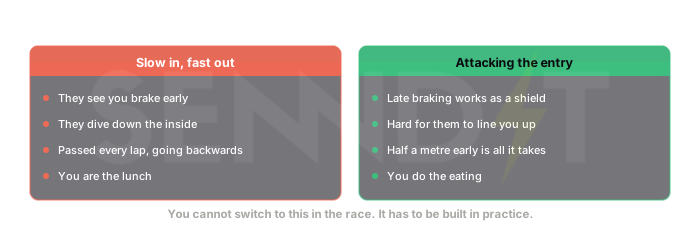
What do you think is going to happen? They’re just going to follow you and oh, but you know, and they’re going to say, oh, but no, let’s follow him because you know, on the entry he takes care like he takes it easy on the entry, you know? Because because then he wants to get a good exit, you know? It’s like, what do you think?
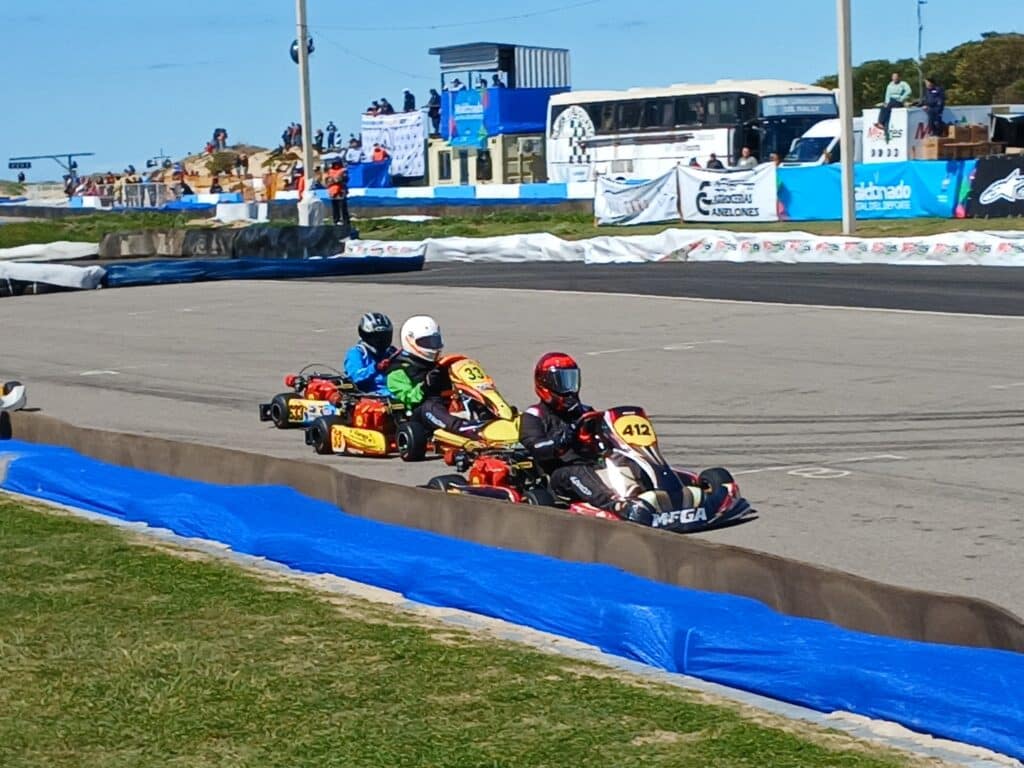
They’re going to think this about that? No, they’re going to see you’re going to brake early, they’re just going to dive into you. That’s it. So, what I’m going to say is that I’ve seen so many drivers having not develop their skills on the brakes. They have they have this slow in fast out mentality. They’re not like they’re always like not they’re always like below the comfort like below the limit.
They’re always below the comfort zone within their comfort zone and because of that when they even if they can manage to get somehow a decent lap and still start at the front somehow which I don’t think is the case most of the times but let’s pretend they get to the front. Guys, if you’re in a slow in fast out mentality when you drive, you’re going to get passed every lap.
You’re just going to go backwards as we say in Italian like a gambero, like a shrimp. Like cuz the the shrimps go backwards basically. They don’t go forward, they go backwards. That’s Oh, I don’t know if that’s the same joke in in English. It sounds nice in Italian, I don’t know if it’s in English. But uh yeah, so both the the bonus the fifth reason is that yeah, basically you’re just uh uh you’re just vulnerable on the brakes.
Vulnerable in the race. Okay, vulnerable in the race. Okay. So, I hope you understand what I’m saying, you know? It’s just like yeah. It’s just like whenever the drivers are behind you, they’re going to be easily overtaking you, like effortlessly overtaking you because you are so focused on your exits that and that you know that they’re going to overtake you.
And if you try to make the switch, this is the problem. If you try to make the switch directly in the race, it is too late. You have not got the skills for that, you know? It’s honestly it takes the skills, it takes time and it’s not like you were not born with those skills. It’s like you never pushed yourself, you never pushed your comfort zone and because of that you know, it’s like it’s it’s something an like unnatural for you to push the entries and so whenever you need to push the entries cuz you you know, you have to brake late not only cuz you want to warm up the tyres, not only because you want to be on the limit, not only because you know, many reasons.
But when you are in the race braking late, it’s it’s like a safety, it’s like a it’s like a shield, you know? It’s like it protects you. When you brake late,
Late braking is a shield
it’s make you make it hard for drivers to overtake you. You know, I had this I remember I had this driving style where I would brake so late thanks to the mechanic that pushed me so hard and all the brake bleed that I asked him to do. Guys, you cannot believe like my mechanic I drove my mechanic crazy. I drove him I drove him nuts cuz every session I would ask him to bleed the brakes.
Uh you have no idea. Now by the way, it’s a joke cuz like within the team at BabyRace, there’s like 20 mechanics and nobody wants to be my mechanic. Nobody because they know how obsessed I am. I always tell this joke to my drivers at BabyRace. I’m like, you guys need to be obsessed. Like whenever I go to like Anyway, back to it.
If you are not strong on the brakes, if you’re not attacking the entries in as your driving style, you know, if you approach the slow in fast out technique, you’re going to be just vulnerable in the race most of the times in the first laps, especially in juniors, you know, where the level is is is so high, I would say looking at the CIK-FIA races of the champions of the future, the level is so high, the field is so close to each other and uh I mean all the drivers are so close and if you are not strong on the brakes even half a metre early on the brakes and people will send it from behind.
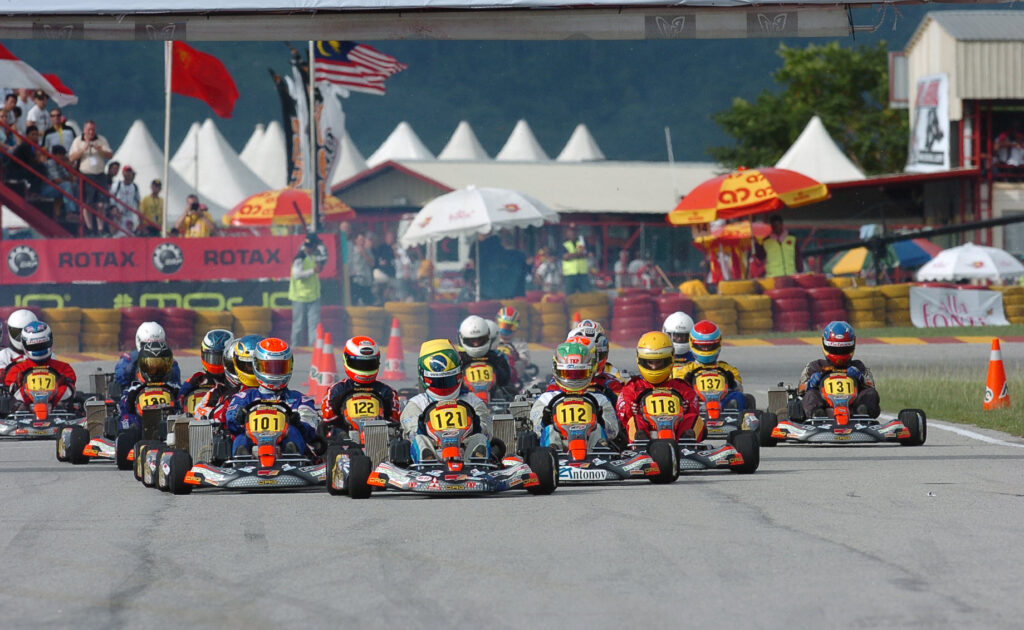
In a race, people do not only overtake because they want to – sometimes they have to, because the best defence is to attack. So sometimes they they look in the back, there’s like the group of 10 drivers and they see they’re all behind and they see you’re not defending and they see you’re braking early and they’re like, “Oh, there you go.
Here’s my here’s my lunch, you know? I’m going to buy I’m going to eat this guy.” And that’s it, you’re going to be their lunch. You don’t want to be eaten for lunch, you want to eat the others for lunch. You don’t want to be eaten for lunch. And if you are early on the brakes cuz you are this with this mentality of early like slow in fast out which a lot of coaches, a lot of mechanics unfortunately keep preaching um yeah, you’re just going to be an easy prey in a race.
So these are five reasons why I hate the slow in fast out technique and I show you the data that proves that most of the times this was an example from this morning literally um and and after that, you know,
What that driver did in qualifying, two hours later
the kid developed, you know, after watching this, he made a massive step from this session to the Look, he went into quali and he was P1 until the last two laps. Look at that. Yeah, the track got a bit quite a bit better, but have a look. He did brake later, look in the red, he braked later, he stopped the kart and obviously got a way better mid exit and he also made the apex Look at that.
Here he apexed later in the red. He got better rotation. He made the apex in the green, he didn’t and he got a way better exit and between entry and exit he found about four tenths, without touching the kart between sessions – which is quite extraordinary. And I mean it was not thanks to me. Definitely I pointed this out to him, but it was thanks to him.
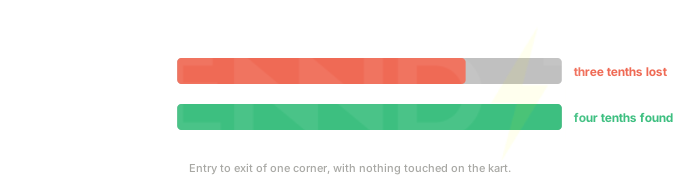
It was him realizing that yeah, the slow in fast out technique doesn’t work and I believe it it just works sometimes very rarely in some corners, but as a mentality just approaching the slow in fast out just doesn’t work most of the times. So I hope this was valuable.
Related: when slow in, fast out actually does work, the good and bad karting mistakes, and deceleration efficiency explained.
Send your onboard footage. Alessio reviews it corner-by-corner and tells you exactly what's costing you time, and how to fix it. Back within 48 hours.
Get My Onboard Reviewed → Reviewed personally by a CIK FIA World Champion, never an assistant.I promise I'll not spam you with repurposed shitty AI content but real experiences that only I, Alessio Lorandi, experienced. Written in my funny English-Italian tone of voice 😂
Alessio Lorandi is the former CIK FIA World Junior Champion, winning against Lando Norris in 2013 & F3 multiple race winner. He's helped 200+ karting drivers worldwide get faster & win WSK titles with BabyRace Driver Academy & now through Senndit, his online karting coaching platform.