How Breathing Exercises Help Drivers Stay Calm Racing
Your nervous system controls your lap times. Master it with one simple technique.

- Breathing exercises reduce cortisol (stress hormone) levels, improving focus, decision-making, and reaction times
- Box breathing (5 seconds in, hold 5, out 5, hold 5) is the most effective and beginner-friendly technique
- Practice breathing exercises during free practice sessions, not just race day, to build the habit
- Just 1-2 minutes of breathing work before getting in the kart can drastically improve performance
- Professional athletes across all sports use breathing and visualization to reach peak performance
- Controlling stress before the race is a trainable skill that separates top drivers from the rest
- Why Do Drivers Feel Stressed Before the Race?
- How Breathing Affects Focus and Reaction Times
- What Breathing Exercises Help Drivers Calm Their Nerves
- Can Breathing Slow Down an Overactive Mind Before a Race
- How Professional Athletes Use Breathing Techniques
- Can Breathing Techniques Improve Decision Making
- Can Breathing Affect Physical Tension in the Body
- How Long Should Drivers Practice Breathing Exercises on Race Day
Well, let’s be honest. Racing can be incredibly stressful, right, especially before an important race or during intense fights on the track, and many drivers really try to push their nerves away. But actually, one of the best ways to deal with your nerves and deal with pressure is to actually control your breathing by doing some breathing exercises using your diaphragm, as I’ll explain in this guide.

In fact, it’s actually been scientifically proven that controlling your breathing through breathing exercises can reduce your cortisol level, which is basically the stress hormone. And therefore, if you reduce your cortisol level, you will feel less stress. You will be more relaxed. And when you need to drive at peak performance, controlling stress and making sure your cortisol level is as low as possible is definitely an important thing, and it’s a competitive advantage compared to all those drivers that are not able to deal with stress.
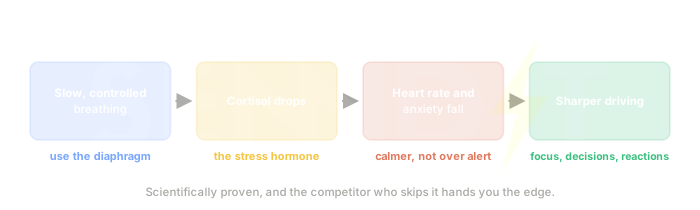
You’ll be able to be more focused, take quicker decisions, and your reaction times are also going to be super sharp.
In this guide, I’m going to answer some of the most frequently asked questions about the topic, especially how to deal with pressure and nerves before racing. I’ve experienced that state many times in my career, and now, after 20 plus years involved between karting and Formula cars, I can tell that if you have a proper strategy, you’re gonna have a big difference in performance compared to all the competitors who are not taking care of that.
I generally feel that some drivers are going to react in a worse way under stress, and other drivers are going to react just naturally in a better way, because maybe as a character trait, they are more relaxed. But I believe that at the end of the day, when the moment comes to perform, for example, you are starting P1 at the final, you need to really control your stress levels.
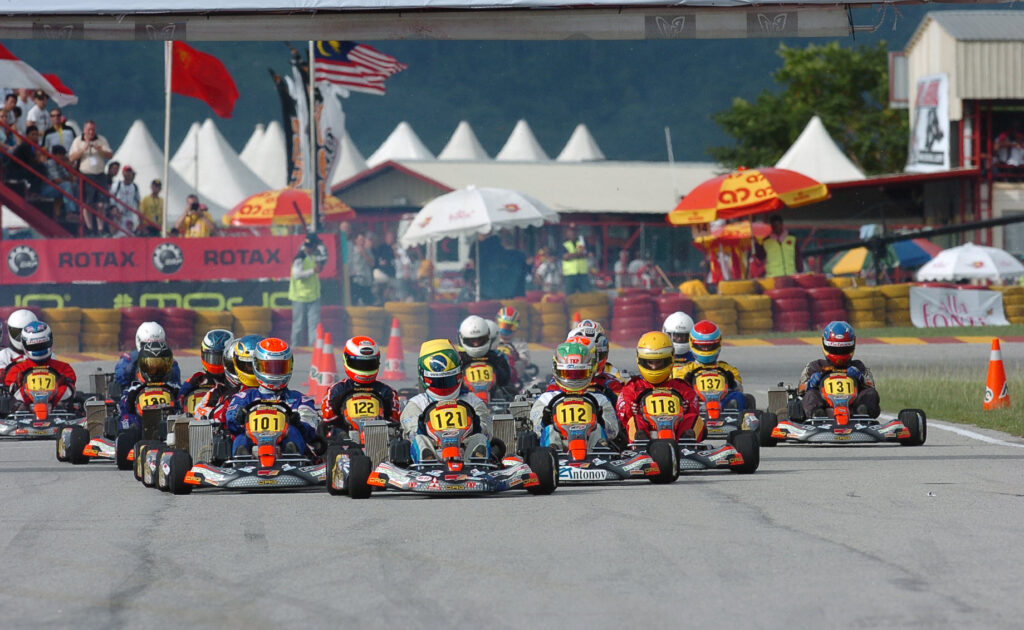
I feel like even icemen like Kimi Räikkönen or Max Verstappen are still going to feel that kind of pressure a little bit. But for sure, they have mastered that stressful state, and they were able to get much better results in their careers compared to other drivers that were not able to.
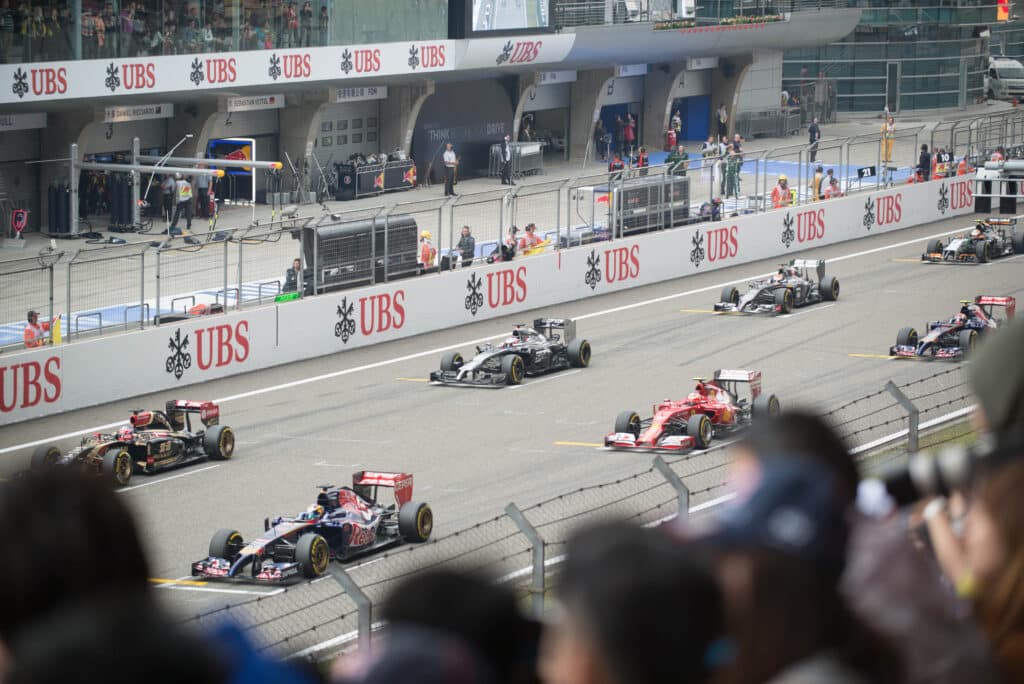
At the end of the day, let’s be honest, when you are sitting on the grid, the work from your mechanics or your engineers has been done and it’s only down to you. It’s only you that have to perform. So being able to deal with stress and really not cracking under pressure is a fundamental skill that you’ll have to develop, and in this guide, I believe I can really help you achieve this outcome through some breathing exercises.
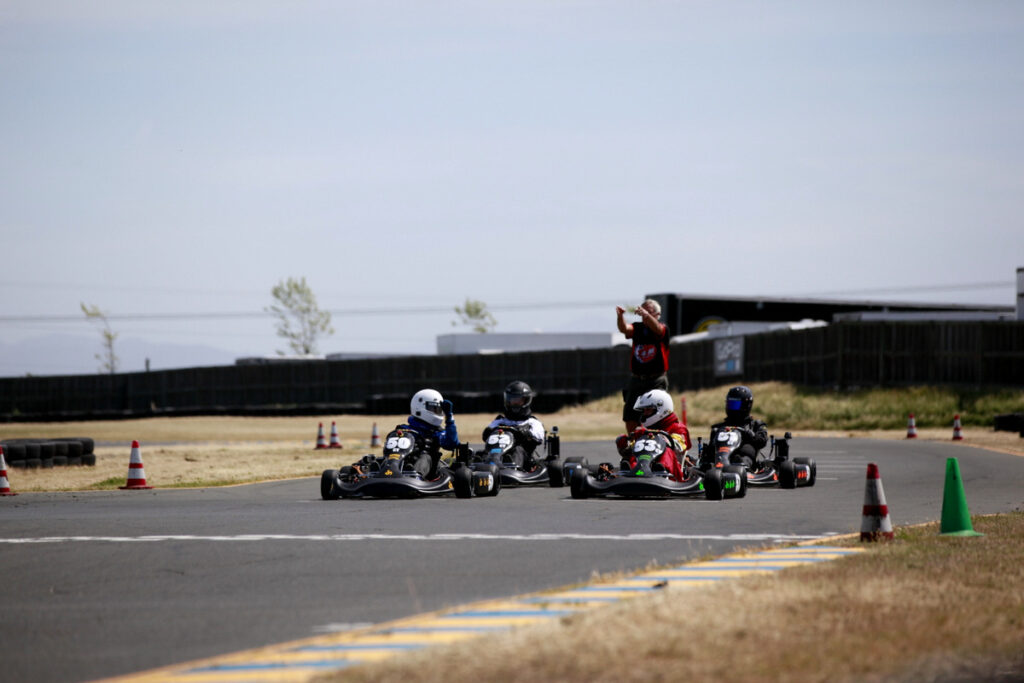
So why do drivers actually feel stressed before the race?
Well, I feel that the stress comes from the tension that builds up because you want to do well, you know, because you don’t want to let anybody down, because you want to prove everybody wrong that maybe have been doubting you in the past, and maybe you want to bounce back from a previous race that wasn’t ideal.
There can be many, many factors that are going to create stress on you:
- You need to perform very well because you need to attract sponsors for the upcoming season
- You need to try to get some Formula One scouts interested in you and try to sign you up to support you into your next career stage
- External pressures from family, team, or personal expectations
So there can be many different reasons why drivers can get stressed. To be honest, I was able to deal with stress pretty well in karting because I knew I didn’t have anything to lose. I was always driving as if it was a testing day. I was not putting too much pressure on myself. Even when I was fighting for the world championship a couple of times, I was still able to perform really well under pressure.
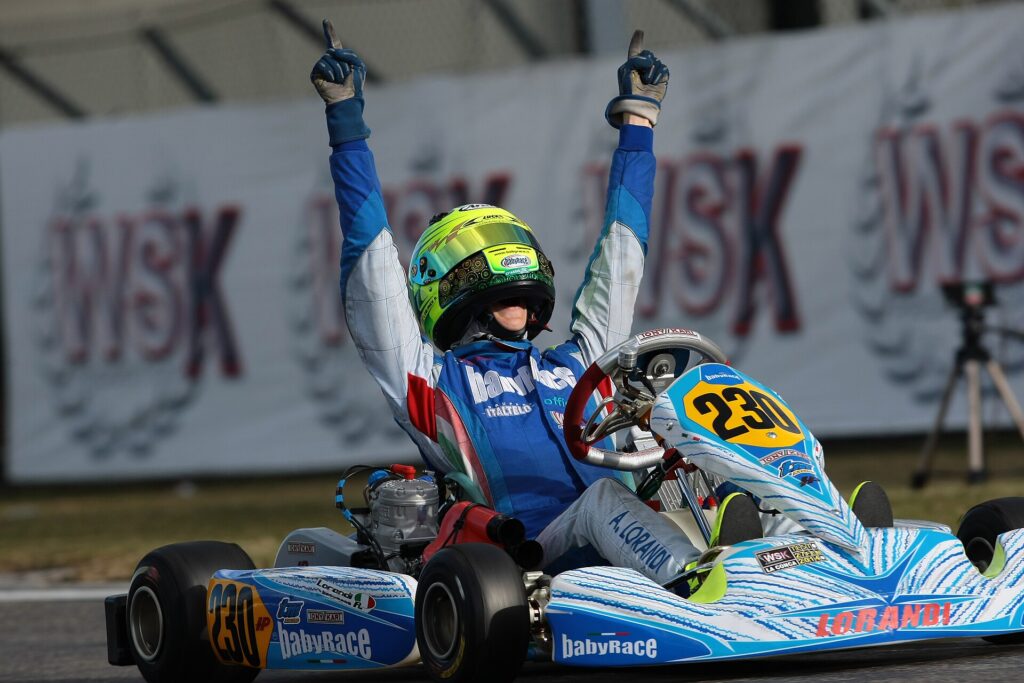
When I got up to Formula cars, it was a bit difficult because I knew that it was very, very hard to continue unless I was able to win and pick up sponsorships, etc. So in that case, it was quite hard because I knew that if I do not perform, even though my car most of the times was not ideal, I’m not trying to take excuses, but it was actually the reality, I was never in the best team.
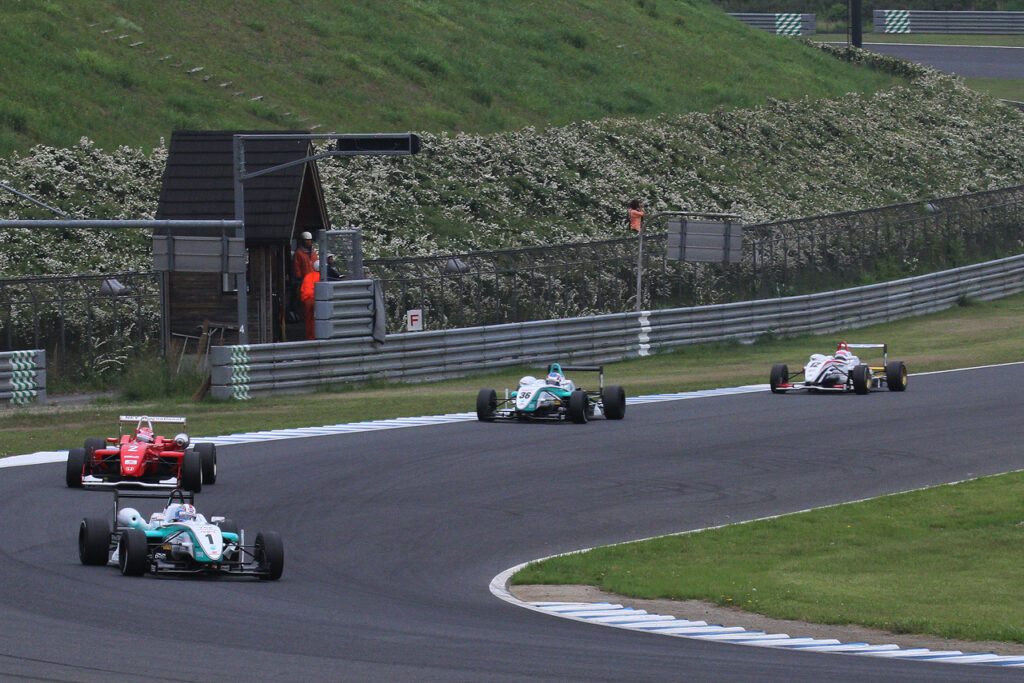
But I was short of sponsors, and I actually was trying to be very careful to not crash the car. And so in that case, yeah, I mean, that actually kind of acted a bit as a handbrake for me, and I noticed that.
But thankfully in karting, the stakes were very low. I knew that I wouldn’t have changed much if I won or not. And I was very, very confident back then. So in that case, I was able to not even create pressure on myself in the first place.
One of the best ways I was able to cope with stress was just to simply tell myself, “Listen, Alessio, just go for it. I mean, it’s not gonna change your career. It’s not gonna change your life.” And besides that, I would tell people around me when they were like, “Come on, go in. Go get P1” and stuff like that. I would just reply to them with, “You know, I’m just gonna give my best, and then we’ll see what happens.”
At the end of the day, whatever you are feeling stressed about, the goal is that we are able to control it.
So how does breathing actually affect focus and reaction times?
It’s been scientifically proven that breathing exercises, as well as visualization and meditation, really help to reduce your cortisol levels and therefore the stress hormones. They help lower your heart rate, which again, reduces your level of anxiety. They kind of make you a little bit less alert.
But to be honest, it’s a good thing, because you don’t want to be too alert. There’s a certain threshold you want to be, right in the middle. It’s called the activation sweet spot.
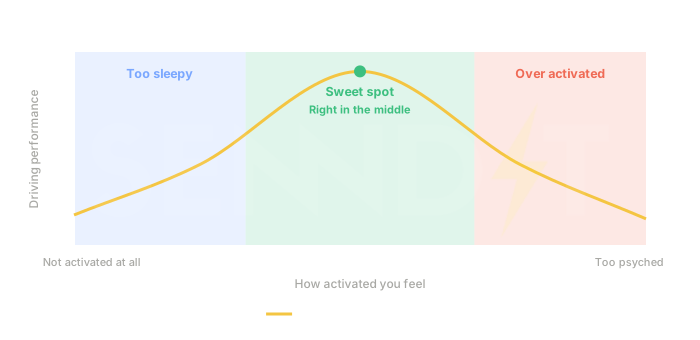
You don’t want to be too sleepy so that you’re not activated at all. But you also don’t want to be too psyched, not over-activated. If you drive like that, you’re probably going to be crashing in the first corner, because you’re going to be just driving in a desperate way.
So what breathing exercises can help racing drivers calm their nerves?
One of the best exercises I suggest you to do, which I do most of the times, is the so-called Box breathing exercise. Here’s how it works:
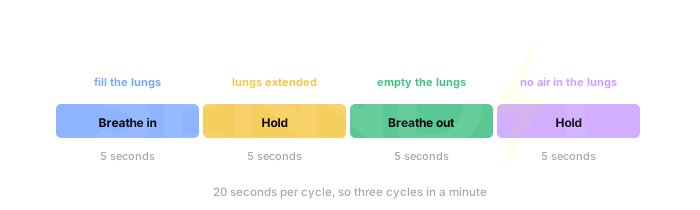
- Breathe in for a set amount of time (I do it for 5 seconds, but you can do 10 seconds if you want to do it more extreme; for beginner-friendly, start with 5 seconds)
- Hold for 5 seconds with your lungs extended
- Breathe out for 5 seconds
- Hold for 5 seconds with no air in your lungs
- Repeat the cycle
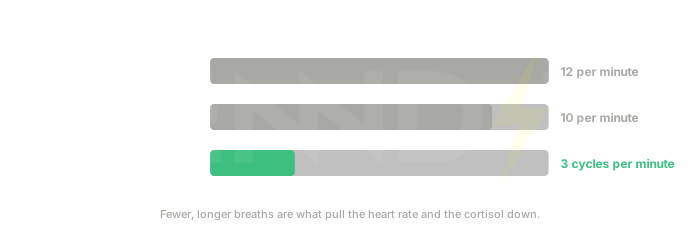
The whole cycle includes 20 seconds total, and in a minute, you’re going to be doing three breathing cycles. Compared to the average breathing rate of about 10 to 12 breaths per minute, you are going to be doing a lot less, which is going to reduce your heart rate, reduce your cortisol level, and scientifically, give you an advantage.
If you want to geek out on it, there’s tons of different breathing exercises you could be doing. You can search them on Google or on YouTube, but I don’t want to give you too much information. The box breathing exercise, I think, is pretty good.
On top of that, you can do another one, which is very, very simple instead of doing the box breathing. So instead of doing 5-5-5-5, you can just do:
- 10 seconds breathing in
- 10 seconds breathing out (without the pause after the breathe in, or the pause after the breathe out)
It’s going to be a bit more simple, but still going to be a 20-second cycle with just three cycles per minute, which again, it’s going to make it very, very good for your cortisol levels and your heart rate and your heart rate variability.
Can breathing slow down an overactive mind before a race?
Yes, you bet it. I mean, it’s pretty much the reason why we’re doing it right. So we really want to try to block out any kind of stressful thoughts and stressful scenarios.
Of course, kids are going to feel stress, depending on whether the circumstances are not very friendly to them. For example, if they’re not in a very friendly environment, if perhaps they have obstructive parents that maybe are not helping them succeed in a way that they can make them feel safe and make them feel at peace.
Of course, at the same time the parents, I understand that it’s not an easy job for them, you know, because they feel like, “Oh, I gotta do something if my kid is distracted, so I kind of have to get him to be back to focus.” But at some point, yes, it kind of crosses the line, and then they start to become too protective and be too stressful to the kid. So it’s a very thin line.
If you are not being careful, you’re actually going to end up dumping massive amount of stress and pressure on the kid. You may feel like that’s going to make him perform well, that’s going to help him. But in reality, no, it’s not, especially for younger kids.
I mean, I think for younger kids, maybe the coach, maybe the mechanic, could put a bit of pressure, but the parents should always be loving figures. If the kids notice that the parents are not going to love them anymore if they’re not performing well, then they’re going to have fear of doing wrong, fear of doing bad.
That’s going to automatically make them panic and make them afraid of doing mistakes, which of course is a complete handbrake for performance.
How do professional athletes use breathing techniques to achieve peak performance?
I’ve read many sports biographies as well as sports performance books, and I’ve came to realize that there’s a pattern. Most of them are visualizing, doing some meditation, but also doing breathing exercises, which is what we’re talking about here. They may all have slightly different techniques. They may all have a slightly different breathing exercise, but at the end of the day, the only thing that matters is that they pretty much all do it.
Why do they do it? Well, they do it for the same reason: because they have been preparing for that race physically and mentally, and they know that that single race may define the whole season, maybe a world championship, or like the Olympics. And if they are not in the perfect peak state of mind, they are going to waste all the effort they have spent over those years.
Being able to center yourself and being able to really get you in the optimal performance window is going to be massively important to any athlete, it’s not just for racing drivers.
Yeah, they really do that kind of thing, you know, in the locker rooms, whether for soccer players or for tennis players. They try to do some visualization exercises, some breathing, some mindfulness, even under the shower. I’ve heard they do those kind of things before going to bed.
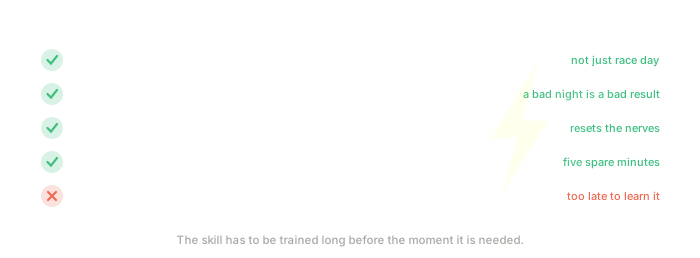
I used to do a lot before going to bed to try to relax myself, because it’s very important to have a very good night of sleep. If you’re not able to sleep because you’re stressed, because you are trying to anticipate the upcoming race the next day, and you’re a bit worried and anxious, of course, you’re going to not perform very well. And you’re not going to have a great night of sleep, and then automatically, you’re going to have a bad result the next day.
So there’s many different instances during, for example, race week that you will benefit from doing breathing exercises. I feel that anytime you’re able to lower down the stress level is going to be a great advantage to your overall performance at the end.
Even when I’m in the car, for example, you can see that from my past races, from the TV footage, you could see that I would close my eyes, have the visor almost fully closed, and just like, breathe in and just like, try to do a lot of breathing exercises. And try to also visualize the perfect lap in my head and visualize the start. If it was the race, I would try to visualize myself taking the right decisions, and try to deal with different scenarios based on different outcomes.
So I just felt like that would give me less stress, that would give me more preparation, and more confidence overall. But again, that comes down to practice and that comes down to personal preferences.
When I was in the kart, before stepping into the truck, you know, I was already in the kart, but when you’re waiting for the green flag, you know, five minutes before. You may have to get into the car like five minutes before, and you have to sit in your seat. And instead of like, thinking about Minecraft games or about like, what you’re gonna eat at dinner, you know, it’s great to just try to channel your attention to your breathing, for example.
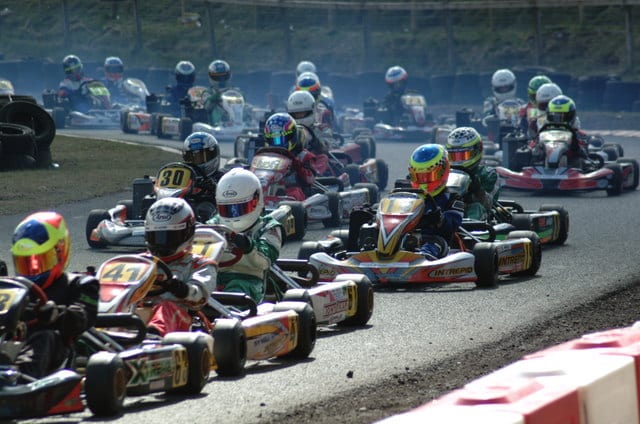
If you’re channeling your attention to breathing, automatically your brain is not going to make you think at other negative things, for example, like worries, “Am I going to crash?” “Am I going to
Send your onboard footage. Alessio reviews it corner-by-corner and tells you exactly what's costing you time, and how to fix it. Back within 48 hours.
Get My Onboard Reviewed → Reviewed personally by a CIK FIA World Champion, never an assistant.I promise I'll not spam you with repurposed shitty AI content but real experiences that only I, Alessio Lorandi, experienced. Written in my funny English-Italian tone of voice 😂
Alessio Lorandi is the former CIK FIA World Junior Champion, winning against Lando Norris in 2013 & F3 multiple race winner. He's helped 200+ karting drivers worldwide get faster & win WSK titles with BabyRace Driver Academy & now through Senndit, his online karting coaching platform.