The Good (& Bad) Karting Driving Mistakes
Today I am going to explain to you what I believe is a massive difference between two driving mistakes that you can do in karting. And there’…


Today I am going to explain to you what I believe is a massive difference between two driving mistakes that you can do in karting. And there’s one mistake that I consider very bad. And there’s one type of mistake that I consider very good. So you may be like, “Oh, but Alessio, like you know, uh, all mistakes should be bad, shouldn’t they?”
Well, I don’t agree. You know, not all mistakes are treated equal. As you will see, you will be equipped to know, okay, these are the kind of mistakes I should look forward to make and these instead are the mistakes that I shouldn’t be looking forward to make. And that’s not just based on my experience. That’s also based on many many drivers that I raced against and I spoke about and also read document like I read books from you know Schumacher Michael Schumacher etc.
And so they describe something very similar. They may not be using the same words as me, but uh they describe something very similar. Now
- Not all mistakes are equal. Over-pushing and under-pushing both cost a tenth — only one of them teaches you something.
- Over-push on lap one, then come back to the limit. You will find it by lap two or three instead of lap seven.
- Under the limit you never learn where the limit is, because making the apex easily tells you nothing.
- Over-pushing builds tyre temperature. Braking early and releasing early leaves you driving on cold rubber.
- It is worse in a race than in qualifying. At 90% on lap one you get passed corner after corner.
- Car control is only built at or above the limit. Under it, you are not learning anything.
- Street circuits are the one exception — there, the wall makes conservative correct.
- Come back from a test session with grass on the kart. If it is clean, you never found the limit.
- Over-pushing and under-pushing
- What over-pushing looks like in qualifying
- The 25-metre example
- What happens on lap two
- Why over-pushing wins
- Under the limit, you never learn where it is
- But I already know this track
- The tyre temperature argument
- The one exception: street circuits
- Why I hated driving that way
- Karting has no walls, so use that
- How I qualify
- You have twelve corners to find, not one
- Over-pushing is not just the braking point
- Braking early and releasing early kills temperature
- It is worse in the race than in qualifying
- What makes me angry with my own drivers
- You only build car control above the limit
- In a kart there is nothing to lose
- My testing-day rule: come back dirty
- Watching Verstappen smoke his tyres on lap one
- Why that first-lap gap made it easy for him
Over-pushing and under-pushing
the two mistakes that I’m talking about and I’m referring to is over pushing. Okay. And the other type of mistake is the opposite which is under pushing. So let me make them clear to you what it means.
What over-pushing looks like in qualifying
So in simple terms over pushing is for example when you are going into a corner and let’s say it’s uh it’s qualifying and you have to discover the grip level. You know uh you never know exactly what the grip level of specific corner because you know uh before qualifying everybody’s going new tyres. the categories before went on new tyres and so the track all of a sudden gets more grippy but you don’t know exactly where the grip is.
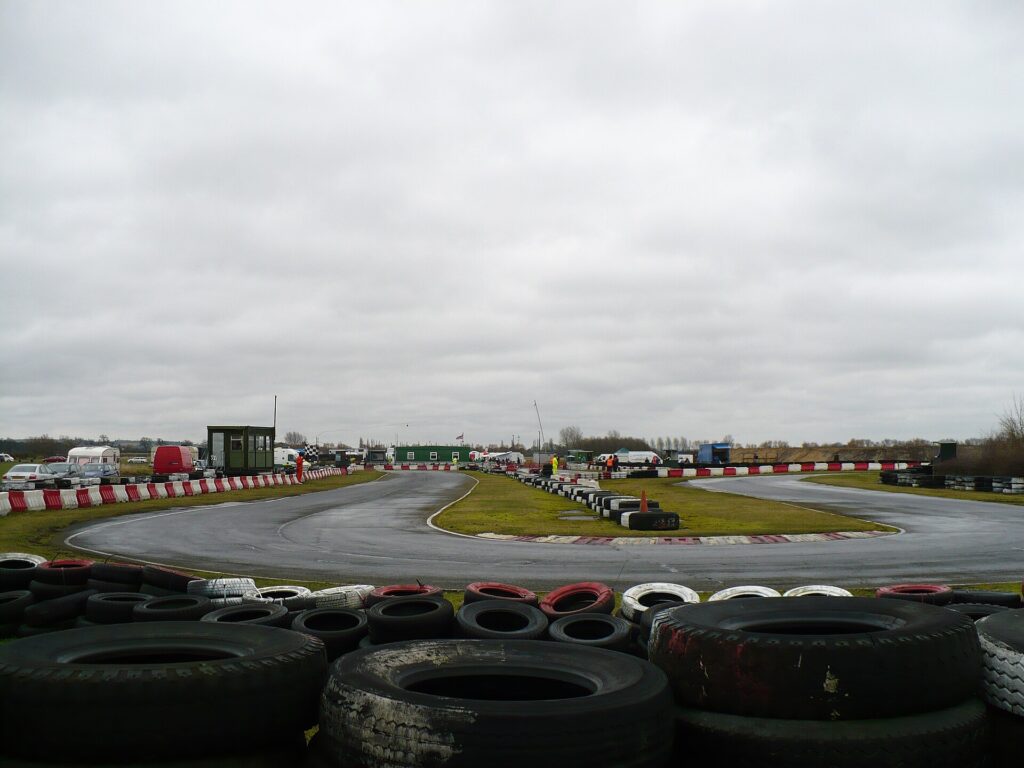
So you have two choices to make. Either you go in full send mode in lap one and you try to obviously once your tyres are up to temperature you are going to push beyond your limits in order to find the limit. Picture the same corner, and two different approaches to it. All right, so the driver that is an over pushing mode is a driver that is going to push beyond the limit on lap one.
So he’s going to instead of braking you know obviously again it’s going to be very hard to tell where the limit is. So obviously as a driver you are always guessing where the limit is and so you’re like okay I’m going to brake here and to be honest most of the case we don’t even have the the references where we brake and so we have to brake by feeling.
So the driver that is an over pushing mode okay that has this kind of mindset is going to brake
The 25-metre example
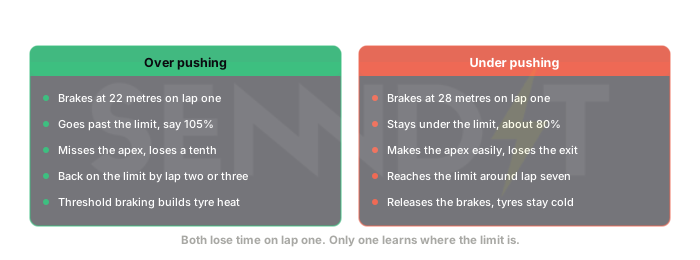
let’s say the limit let’s say is 25 metresetres from the apex. Okay. So from here to here let’s say it’s 25 metres the limit the like the perfect the perfect point of braking in you know in qualifying. I’m just making a random number. Okay it’s just like a random number. So who is in on who the driver who’s in over pushing mode is is on is going to brake not at 25 metres not at 30 metres but on lap one he may be braking at 22 metres.
Okay. So on lap one he may be braking at 22 metreseters whereas the same other driver you know that is an under pushing mode which is much more conservative as a driver is going to be braking at let’s say well 28 metres. So it’s going imagine like so the the closer you get and the less obviously the number so it’s going to be 28 25 23 obviously the further away the higher the number.
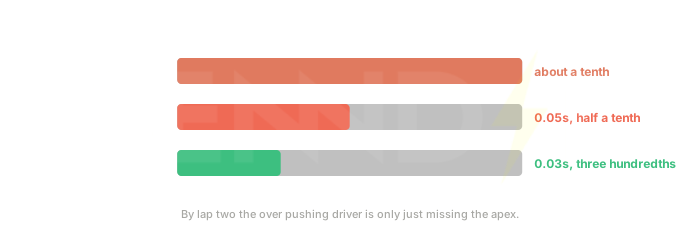
Okay. So, you can see this driver. Obviously, both of them are going to be losing time. All right. Both of them are going to be losing time because this driver, let’s say he brakes here. All right. He’s going to be braking here and I expect him to miss the apex, right? Because he has overpushed. All right. So, maybe the time loss is let’s say one a tenth from the perfect like ideal corner.
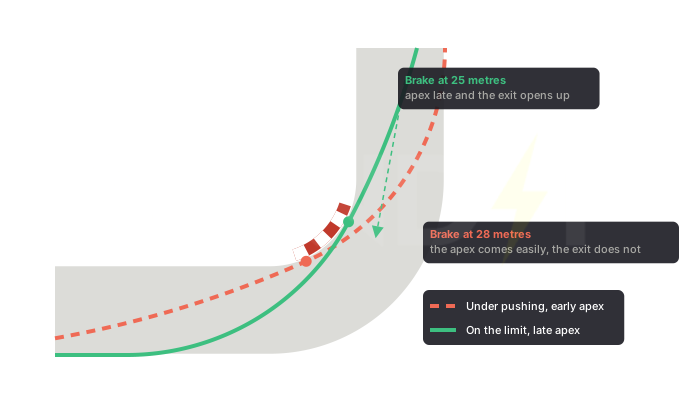
This driver though, you know, is obviously going to brake in this case if he’s in under pushing mode. He’s gonna brake early and he’s probably going to most of the cases turn early. Makes the apex very easily, but most of the times because he has an early apex, he loses on the exit too.
What happens on lap two
But then what’s going to happen on lap two? On lap two, okay, the over pushing driver is going to go, okay, you know what? I realize I just made a mistake. I I made a mistake. And really quickly in his brain, he’s like, okay, next lap I got to brake a bit early because, you know, I missed the apex.
I was super efficient, but I missed the apex. So, what is going to do the lap after is going to brake at 24 metres. Okay, it’s going to be braking at 24 metres. And what happens is is that as you can see, it’s going to brake, you know, and because he’s a bit, you know, earlier than before. He’s almost going to make the apex like just about missing it, but very very tiny bit.
Okay, the corner is still very fast. He only loses like 0.03 let’s say three hundredths of a second which is obviously not amazing but not bad. Whereas this other driver which is in under pushing mode is going to go from 28 metres to let’s say 26.5. Let’s say 27. Okay. It’s going to go to 27 metres. It’s going to go 27 metres.
So he’s gaining only one metre on the brakes. So you can as we said he’s a conservative driver. So again he brakes early. Because he brakes early automatically you know it turns in. Oh, actually let’s make the opposite. So he brake because he brakes a bit later. He turns a little bit later than before, but it’s still too early and it’s still too early at the apex and he still loses time.
Let’s say he loses like 0.05. Okay. Okay. He loses 0.05. So it’s like half a tenth. Whereas these other guys lost 0.03 which is three hundredths. But you see where I’m going? So the two drivers maybe on lap three both of them perfectly nail it and they perfectly get to the absolute limit you know uh this other driver get also to the perfect limit and they both end up doing the absolute perfect corner which I don’t believe there isn’t any any such a thing as a perfect corner because you can always do the corner like a 0.
001 faster and that’s not only me saying it by the way it was Senna used to say this and so I thoroughly believe in this because well yeah but that is a story for another day but uh but yeah there’s no such a thing as as a perfect corner you can always make at least 1,000 of a second faster and if you believe you made the perfect corner that’s when you stop improving that’s when you stop growing but the point I wanted to to make is this two drivers trying to get to the limit in two different ways one who is over pushing and the other is under pushing.
So they’re getting progressively to the limit, you know, both but in in different ways. But you have to think about it,
Why over-pushing wins
why do I believe over pushing is way better than under pushing? Because first of all, when you over push, it takes less time. It takes less time to find the limit. Now picture the limit as a line, and every lap of the session plotted against it. Call the limit 100%. The conservative driver is at about 80% on lap one.
He brakes very early. The next lap he is at 88%, then 90%, then 92%, and by the end of the session he probably reaches the limit. You might say: he got there by lap seven, so what is the problem? Look at the difference. The over-pushing driver does the opposite. On lap one he goes straight past the limit – say 105%.
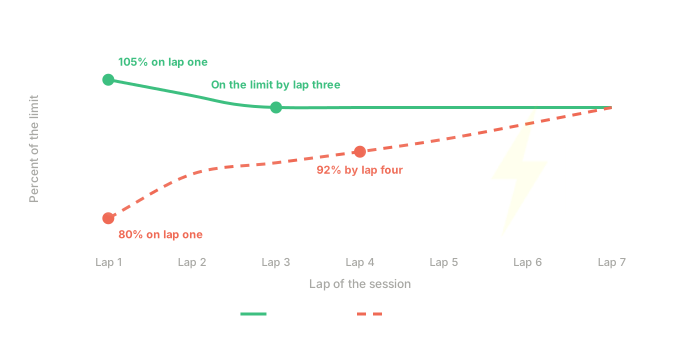
He realizes, oh, I push a bit too hard and then he’s like, you know, I need to brake a bit earlier and then already by lap two or three, he has already found the limit. You’ll be like, oh, Allessio, you know, you’re saying this. I mean, there’s nothing that can prove that. I’m telling it works like that. Because when you are under the limit,
Under the limit, you never learn where it is
when you’re under pushing, you never really know where where was the limit. Think about it. If you make the apex so easily, you probably assume, I mean, if you’re realistic, that you are not on the limit, right? Think about all the time that you make an apex and you’re like, “Oh, I made it too easily,” right? You’re like, “Shit, I should have brake a bit later, you know?”
And so, it’s like you put a mental sticky note in your in your brain and like one of these, I don’t know if you can see. It’s like if you put a sticky note in your brain when you made the apex to you’re like okay next lap I got to definitely brake later because I brake too early but again you brake maybe like confirm the lap before you just brake one metre later but what if again you are like braking like 10 metres too too early right it will take you 10 laps to do like one metre step so it’s going to be so hard it’s going to take so long and if it’s a qualifying where you have to take you know you have to find the limit in two three laps it’s going to you know result in you not finding the limit till the end of the session you’re But I said, “But I know the the track, you know,
But I already know this track
I already know where the limit is.” Well, yes, it could be a good argument, but the reality is that on on new tyres, the track always gets quite a bit faster. You know, maybe some sometimes half a second or sometimes even one second if the track becomes very very grippy with soft tyres from all the categories on the track.
You know, if you are the conservative drive that just pushes the limit just little by little, I’m telling you, you’re not going to be able to to get to the limit as fast as if you are that kind of driver that is in over pushing mode. This one here. That driver is above the limit. So, it’s going to brake too late in lap one, miss the apex, bam, lap two, it brakes a bit too late again, bam, lap three is on it.
And then it’s going to be like you know obviously nobody’s a robot. It’s difficult to to be perfect like every lap. I mean not even Max Verstappen can do that. But uh for sure if you if you are from that kind of uh if you have this kind of mentality and mindset if you are have no fear if you’re full of courage and you just go in lap one and you send it and you just go a little beyond the limit.
There’s also another very very important part that you have to consider is that
The tyre temperature argument
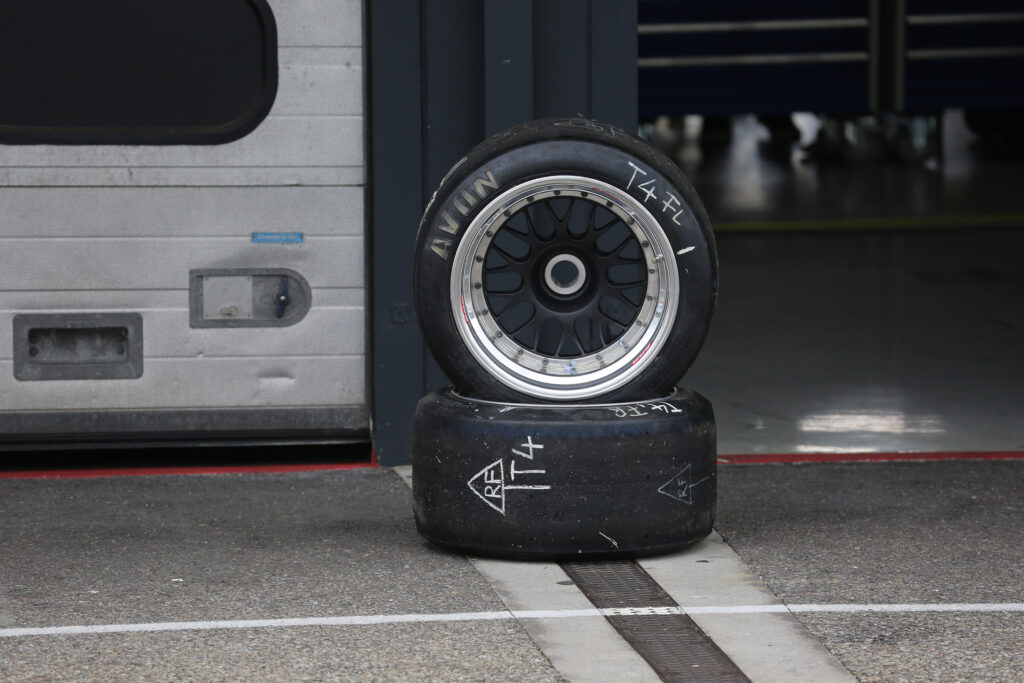
the tyre temperatures play a massive role and when you I mean when 90% of the tyres in 90% of conditions you know especially with these ecological tyres nowadays that are so hard I mean last week and we had a race with with MG tyres at the Italian championship you know it the more laps you do the the the warmer they get and every lap it gets faster and faster.
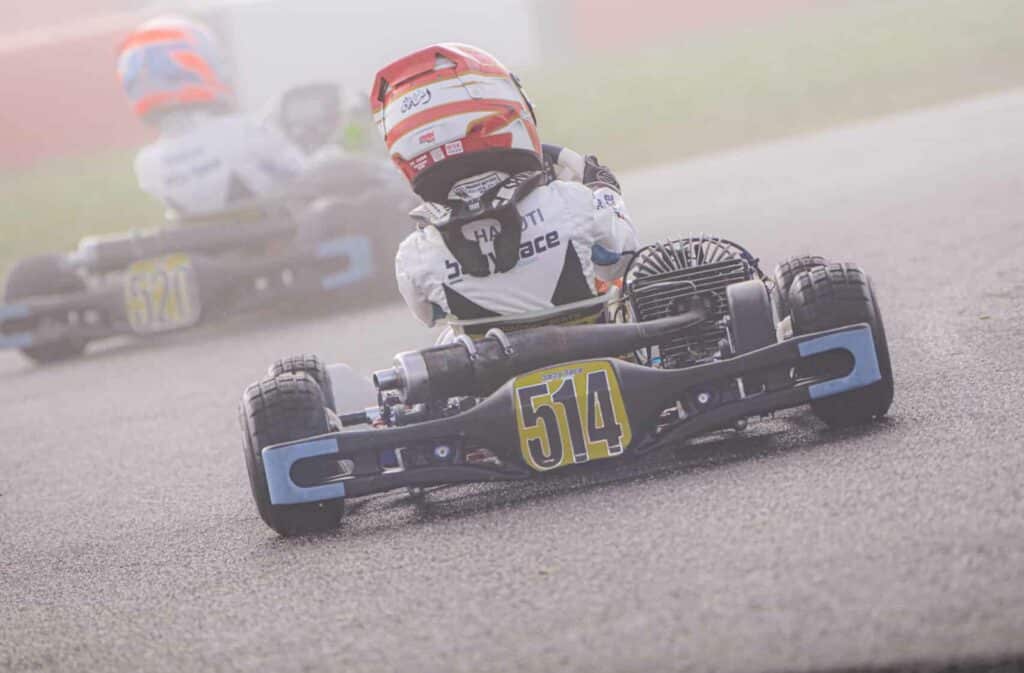
So in like a six-minute qualifying, the last lap is always going to be the quickest because the tyres just need more temperature, more need more energy. And so if you drive like a gentleman on lap one, if you drive very conservatively, you’re not going to warm up the tyre as much as if you attack the corners like crazy in this kind of over pushing mentality, right?
So this is another point is not only it’s very beneficial to be over pushing obviously
The one exception: street circuits
unless you are in a street circuits. I mean I raced in street circuits in – not Monaco, but Macau, Pau, the Pau Grand Prix and the Norisring I love that in F3 and uh I didn’t do it in F2 unfortunately but in F3 and I also won a major formula 3 race in at Pau, and that was an amazing time but what you learn in the street circuits is that you cannot over push on on lap one you know because otherwise if you do it right away you’re in the wall and not only you’re going to lose a lot of track time but it’s very expensive you And you don’t want to do that unless you are Lance Stroll with an unlimited budget.
But um so what I learned from the street circuit is like I had to kind of like change my approach from my over pushing approach to being more like this guy like under pushing mentality like this is all right. This is like this was this is me all the time, right? But when I had to do the street circuit, I had to I had to be more like this because you know if you again overshoot the corner and you go into the wall, it’s game over, right?
Especially in quali or in a race. So you have to take it step by step, you know, you have to get there. But when
Why I hated driving that way
what I realized is that I don’t like that approach, you know, and it’s not efficient because it takes so long to get to the lap time. Uh and so I was like, you know, oh, I was like, man, now I understand why it’s so important to over push in the first laps when you go to normal tracks, you know, especially in karting.
Karting has no walls, so use that
In karting there’s no street circuits. I mean unless you’re doing some uh uh some street circuits races but please ping me. I want to come too. That would be fun. But uh but you know in karting you don’t have any problems with that. Uh you can push your limits. And that’s what I love about karting is that you don’t have to worry about crashing and having to spend 150 grand on on a car repairs as you have to do in GT3s or in formula cars unfortunately.
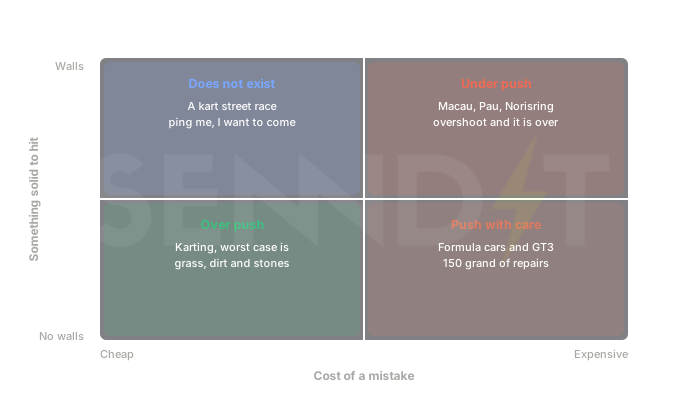
So in kartingly it’s the purest form of motorsport I believe and uh and so you can really throw the kart and you can really push the limits and that’s so fun by the way. I mean that’s what makes me alive when I drive and I guess that’s what makes you feel alive too.
How I qualify
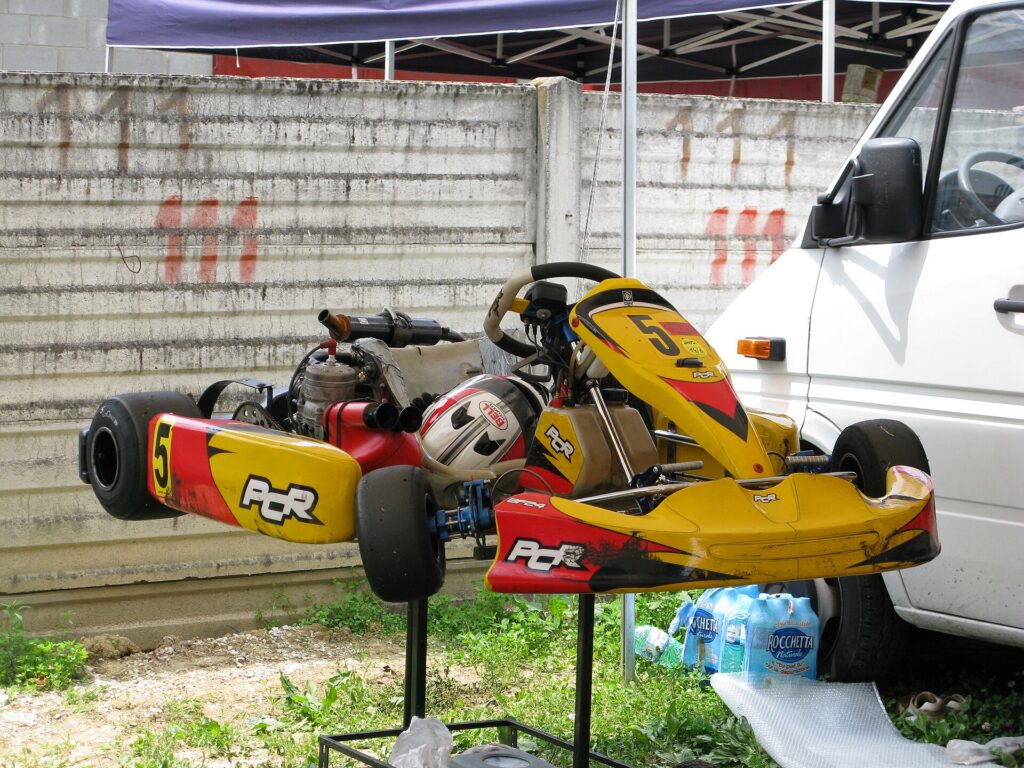
So when I go in in a qualifying session, I mean I’m like on the first lap, I’m over push. Okay, obviously I need to get basic temperature in the tyres because otherwise it’s not good for the tyre to start pushing and start sliding on the tyre until there’s basic in like core temperature. But what I noticed that whenever I have the temperature, let’s say lap one or two, I start I I’m like over pushing on the on the first laps because so by doing so I I figure out right away where the limit is.
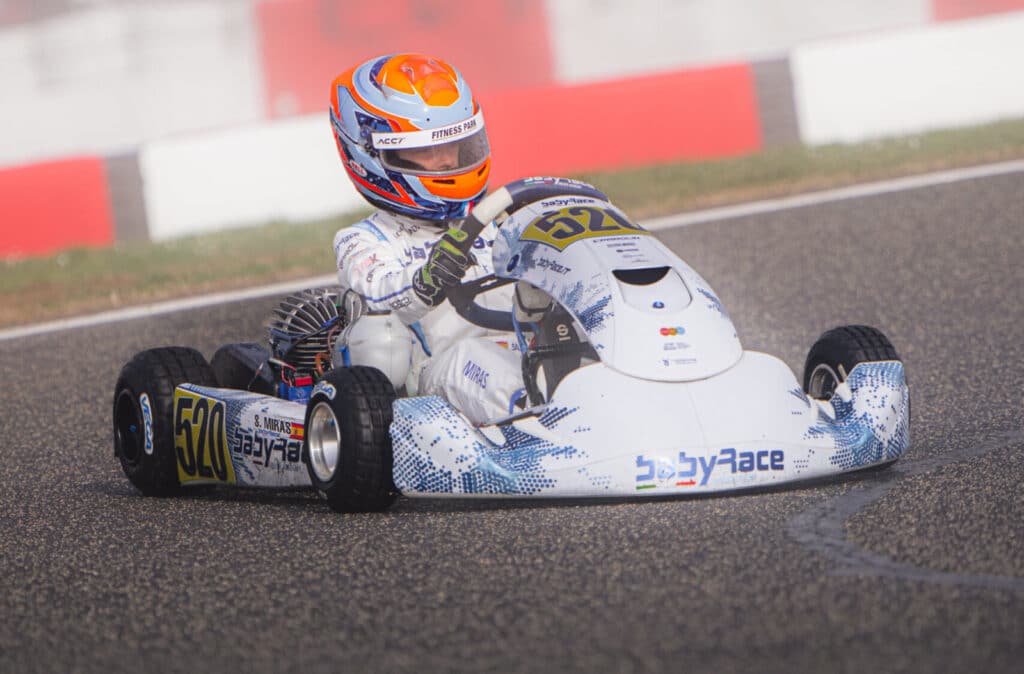
Okay. It’s so much easier for me to find the limit instead of waiting just for the last lap to find the limit because let’s say let’s say there are 12 corners in a lap. You know, I’m just like making a random track. You know,
You have twelve corners to find, not one
you don’t only have to find the limit in one corner. You have to find the limit in different corner like this one. Turn one, two, turn three. So, if you are postponing this to the last lap when the tyres are hot, you’re probably not going to be able to find it in most of the corners. I mean, not even if you’re the goat, I’m telling you.
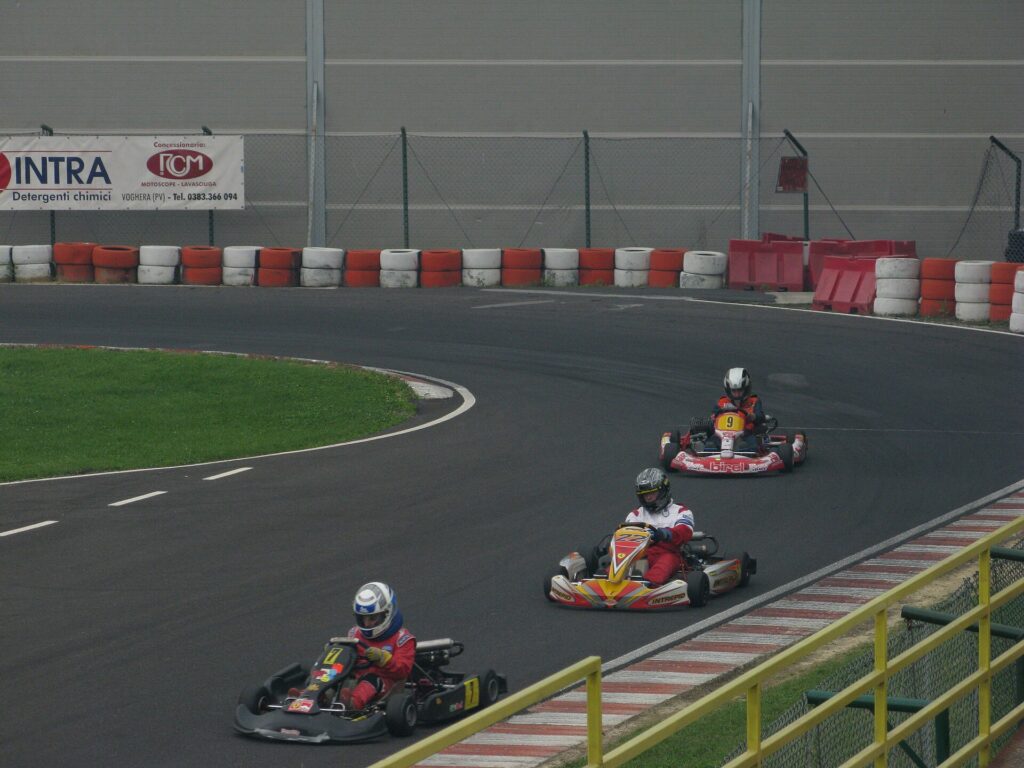
So you need to start finding the limit right away. Lap two I would say after you get basic temperature in the tyres and as I said by doing so not only you will get closer to the limit faster but also you will generate so much more heat and so much more energy into the tyres because remember whenever you push more into the corner like if you have like this is another point is you over push yes
Over-pushing is not just the braking point
it’s not only the braking point it’s also how efficient you are on the brakes for example. So if you are going and let’s say over pushing, you’ll realize you’re missing a corner. You’re like, “I have to hold the brakes like crazy.” And so you’re going to be maximum threshold braking and then you know trailing the brakes until like at the apex, but you have to threshold brake at the beginning like lock the tyres and uh by doing so you generate a huge amount of temperatures.
Whereas if you are this other driver here to the right, the under pushing driver, which is conservative, and you brake early, what are you going to do if you brake early,
Braking early and releasing early kills temperature
which 99% of the drivers do? They not only they turn early, but they release the brakes. And by doing so, you’re not generating temperature. You’re not generating um yeah, you’re just not just not generating grip. And especially in cold conditions or hard tyres. Um as I said, if you’re driving with MGs or or Maxxis, you know, if you are not generating the temperature, you’re like driving on ice the first laps.
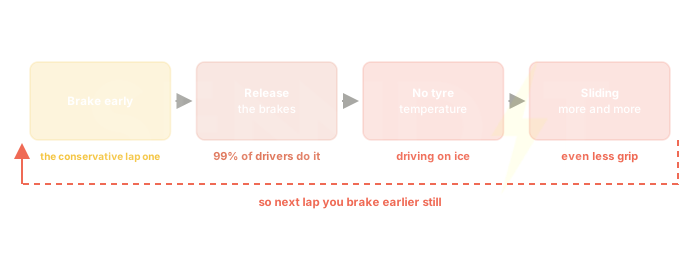
And so it’s like a vicious cycle because you’re not pushing in the first laps. You you’re going to be sliding more and more. And I’m telling you, not only this is
It is worse in the race than in qualifying
deadly for a quali, but it’s also and way more deadly in a race because even if you manage to get P1 in quali, all right, because you have an amazing equip equipment, you do like the last lap, you’re able to put everything together and you do like a, you know, alien lap like, you know, you put everything together somehow, let’s say.
But if you then going into the race and in lap one you take it step by step and you’re like 90% on the limit, you know, in the first lap and the others are already at 99 or 101, you know, they’re going to be not only warming up the tyres way more than you, but they’re going to be finding the limit way early than you.
And so even if you are starting P1, you probably get passed by every like every corner, you’re going to get overtaken at least by one driver. You know what I mean? So, and if it’s 10 corners, you’re going to get passed by 10 drivers. I mean honestly I am exaggerating I know but uh you you have to understand the point.
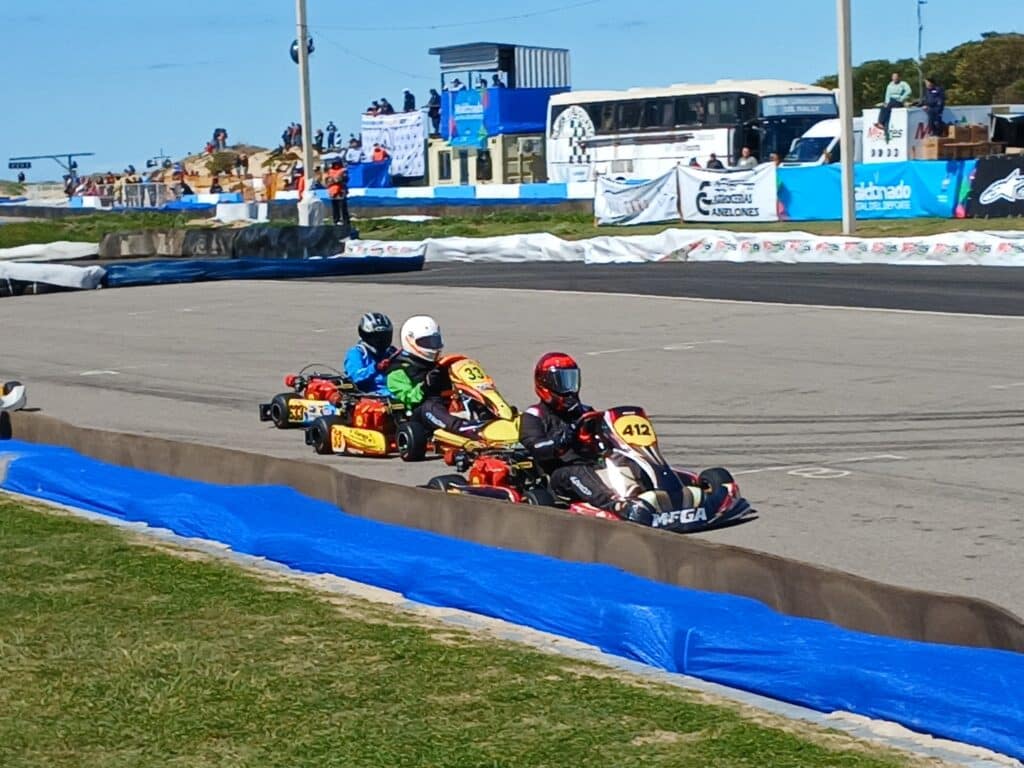
It’s really like that. I believe there two there’s these two kind of mistakes and you should favor one over the other.
What makes me angry with my own drivers
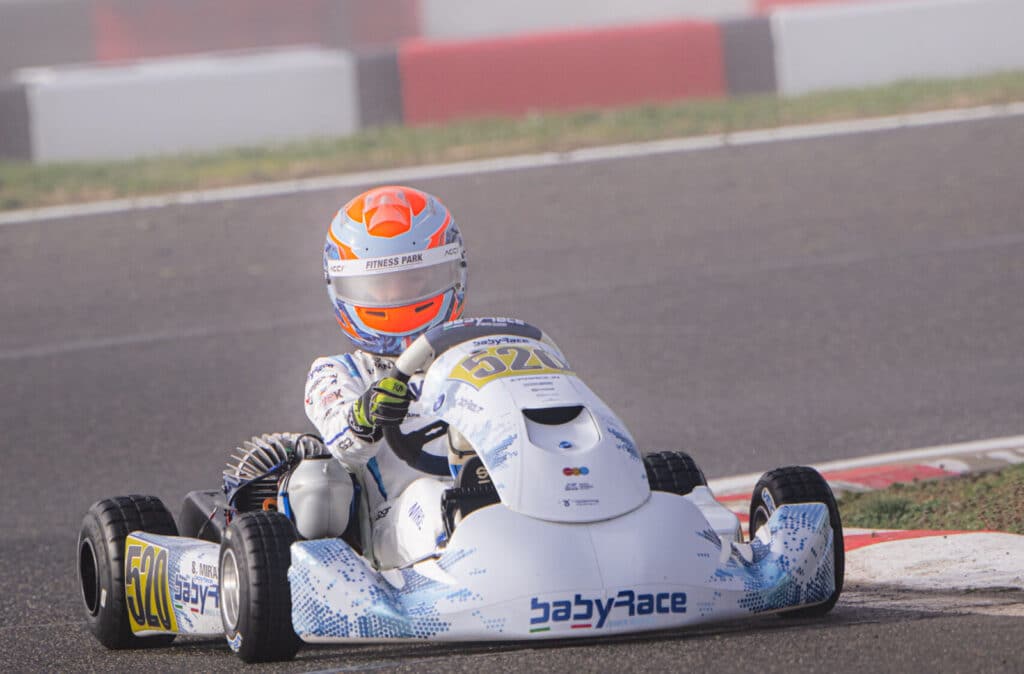
If I see my drivers at BabyRace are just too conservative and they are yes losing a tenth or two tenths in one corner but they do that because they brake early and release the brakes and they do it not only in the lap one but also in the last lap. I get so mad because I’m like mate what are you afraid of?
I mean just over push the limits and by the way this is another important not important thing and
You only build car control above the limit
you develop car control when you are driving over the limit you develop car control which is an essential skill right I mean it is like ice karting – that is how you develop car control but you do not develop car control when you’re driving below the limit like think about it when you’re running in the engine you’re not developing car control because you’re so far away from the limit and therefore you only develop a control when you are on the limit or above the limit.
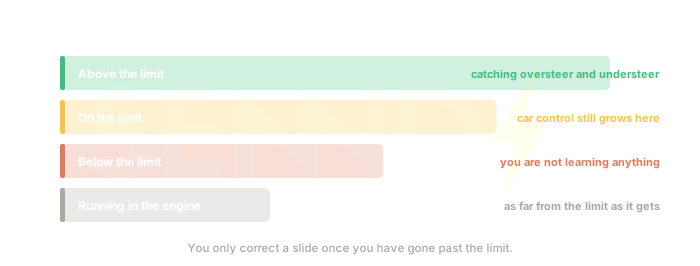
So you have to oh I’m missing the corner. I’m controlling oversteer, controlling understeer, etc. So just by definition, this thing alone just should should should frame you into this mindset of just being over pushing, over pushing. Of course, when you get to the last laps, you obviously want to bring it back. But it is not: Alessio said over-push, so I am going to miss the apex on purpose.
No, I mean like you need to do it strategically. I’m so happy if you miss the apex the first few laps of a session to get, you know, finding the limit. You start by going over it, and then you gradually come back to it and you obviously the goal is by the end of the the session you are on on the limit, you know, not above the limit.
Come on, let’s be let’s be real. Um, but the only way and the the best way to get to the limit is to really go beyond it and then get closer. Guys,
In a kart there is nothing to lose
there’s nothing to lose. There’s nothing to be afraid of. I mean, I’m telling you, I came from Formula 3 and Formula 2 where I was so freaking scared of destroying the car when I was in Macau. And my father before getting into the car was like, “Alessio, make sure.” Push, but be careful – better to lose a tenth but not destroy the car because you know he he made me realize most many times that we didn’t have the budget, you know.
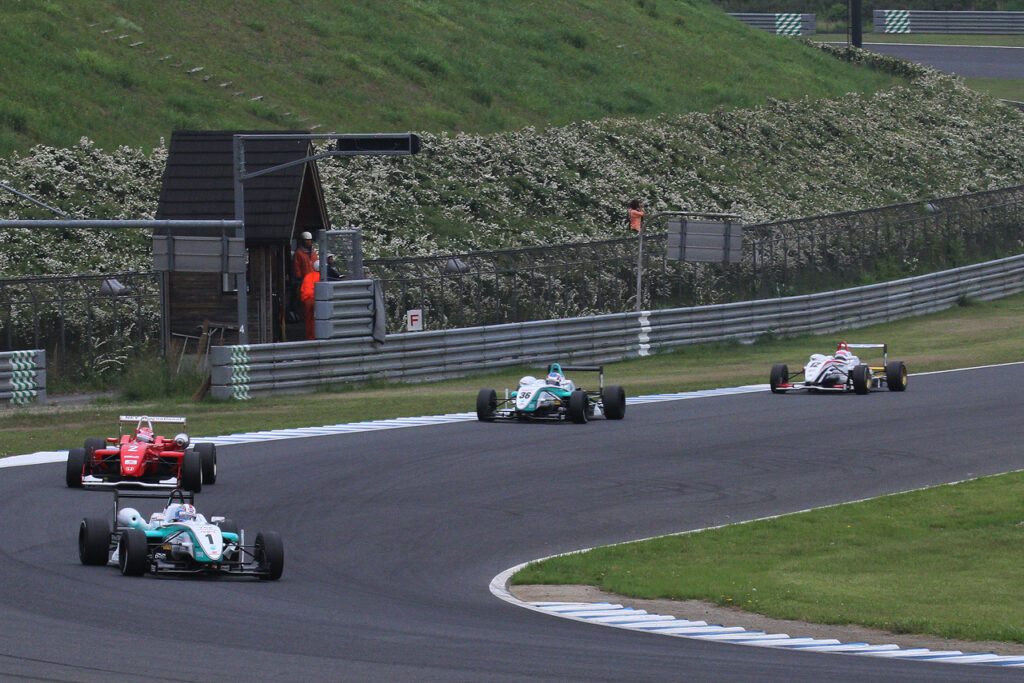
Um, and so if like I crashed, not only I wouldn’t be able to race the next races, but I probably I had to probably stop alto together. So, so every time I I go and drive on track now with my kart, I’m like there’s not like I think about those days where I had, you know, the constraints not only about the walls that if you if you over push or in the wall you’re not driving, but also the financial thing like I could not over-push because not only will I not be driving, but I will also have to we will also have to pay because you know in formula cars and GTs there is no insurance that can cover.
It’s like it’s yeah it’s just it’s it’s a bit of a broken model but yeah if you over if you try to find that extra tenth and you destroy the car and you have to spend 200 grand to repair that. I mean uh well I guess if you’re again L stroll and this that’s nothing. I I I have had teammates where it was like nothing you know okay it’s no problem it’s like it’s like literally nothing.
It’s like pocket change for them. I had bunch of teammates like that but thankfully I was not I was not the case. I mean, and um and so long story short, when I get when I got back to karting, I’m like, “This is amazing.” You know, I can over push the limits without any constraints, without any fear of making damages.
What’s the worst? You’re going to pick up some dirt, uh some grass, some stones when you go off the track. And that’s amazing, you know. And by the way, that’s
My testing-day rule: come back dirty
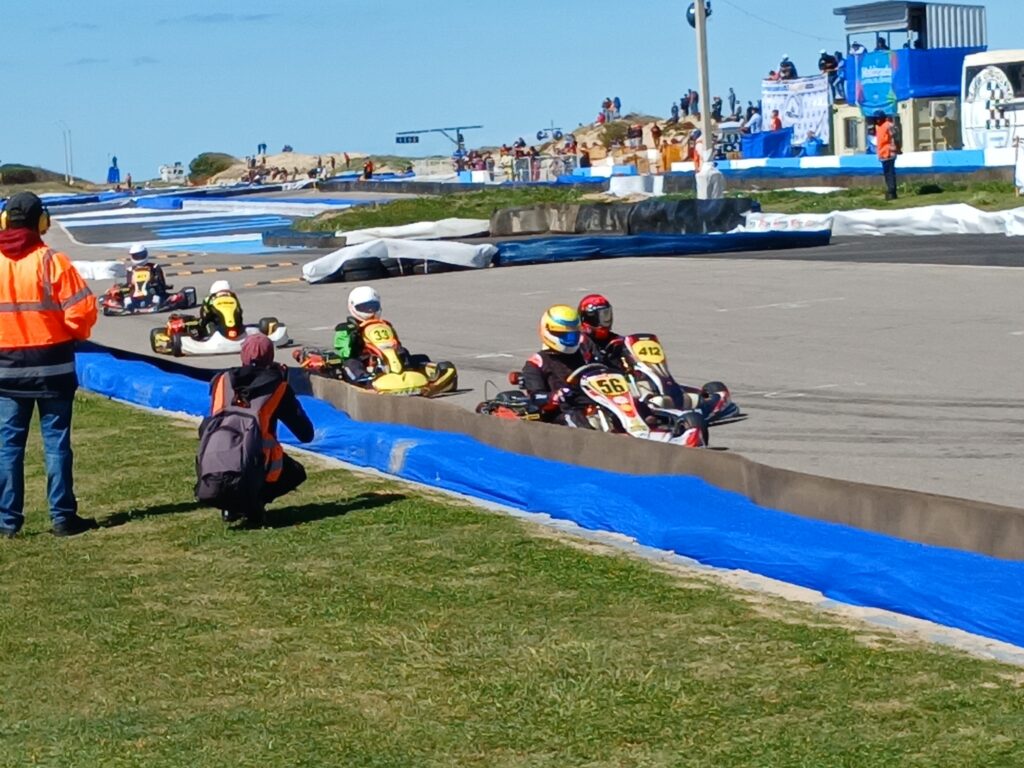
I have this rule at BabyRace, especially in the testing days when they have to learn new tracks. I tell them: if you do not come back with grass or dirt on the kart, you never went off, which means you never found the limit. Obviously, there’s two way to go off the track. One, it’s uh because you pushed more limits and you tried to use more track for example on entry and you just dropped the wheel and you went off or because you over pushed the corner, you went off on the exit.
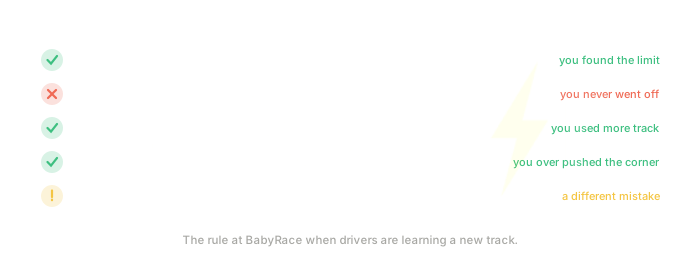
You went on the gas and you went off on the exit. Or there’s another way that’s like forgetting to turn and missing the corner with like little speed or you know that’s that’s another kind of uh mistake. But again, it’s it’s very rare to be honest with me to go off the track because you’re not pushing enough. But again, you should be doing these mistakes.
You should be framing your mindset of going on the track next time you go out and be like, you know what, I’m going to choose being over pushing rather than under pushing. And on lap one, I’m going to find the limit. I’m going to be beyond the limit. And by doing so, it’s going to be much easier to find the limit and go back to it.
Not only that, it’s going to be so much better for my tyres because I’ll generate temperature earlier on. I’ll have a much better aggressive driving style, especially in the race. I mean,
Watching Verstappen smoke his tyres on lap one
I remember Max Verstappen and I was looking up to him. He was always like one category above me except two, three races we did together in juniors. And I remember this guy in lap one, he would like smoke coming out of his tyres in the winter cup in the in in January. It was like or February is like in this race at Lonato like he was going through the lap one like braking so hard like locking the tyres and the rears were smoking and but by doing so not only could brake super late but he could generate so much tyre temperature and I learned from him.
He was winning that race in this category in in those seniors and I was winning in junior and he was winning in in shifters and I was winning in in seniors you know we won it together. Um yeah with backto-back wins and that was considered as like the world championship. there were about 120 drivers per category in those years.
Unfortunately that race does not exist any more. But yeah, I remember that I was looking up to him like this guy in lap one and two is pushing like crazy much more than anybody. He would build a huge gap like one two seconds gap within the first five laps and then it would be easy for him you know and you would keep pushing but you would like the once the gap is is established then everybody would start fighting in the back and it was like you you would see that it was like such an easy win for him.
Why that first-lap gap made it easy for him
The reason why he was so good, not only was warming up the tyres so well in the formation lap, but Max was just like amazing in the first couple of laps, he would just like push more than the others, generating more temperature. And yeah, I learned from that I learned from that moment and that I had to do the same.
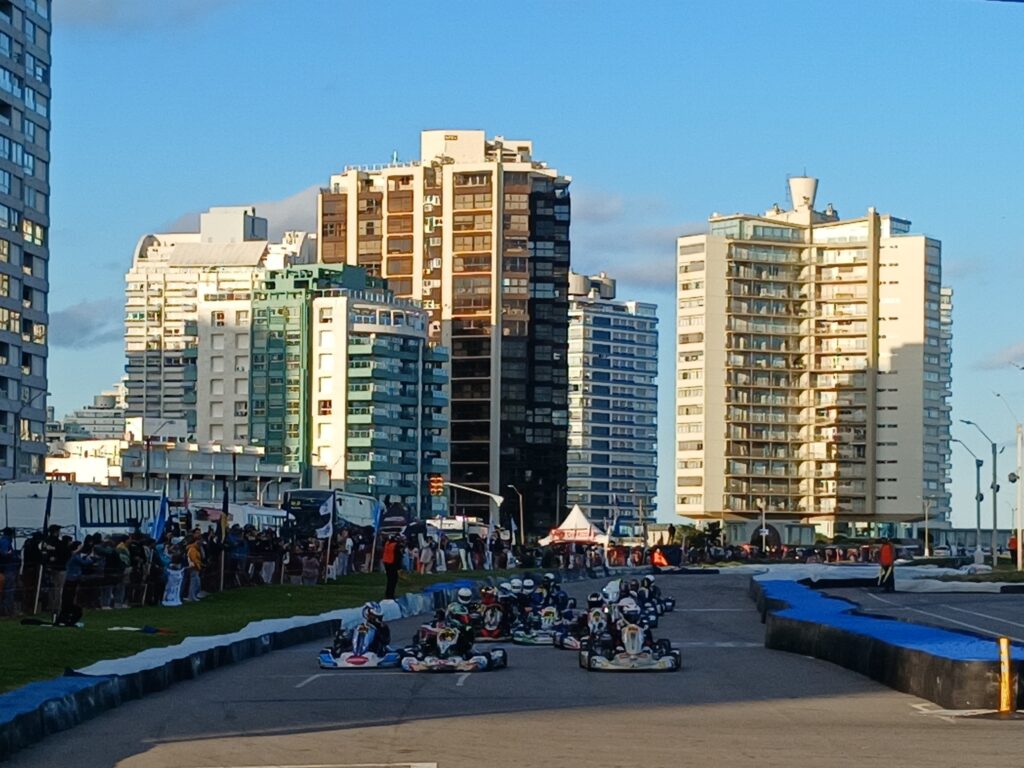
And it’s just my standard operating procedure now. Like you will see me going off the track. You’ll see me making mistakes because I use too much track because I brake too late, you know, because I get on the gas too early, stuff like that. So try applying this next time you are on track.
Related: the three best ways to develop car control, the science behind late braking, and new tyre time attack: qualifying tips.
Send your onboard footage. Alessio reviews it corner-by-corner and tells you exactly what's costing you time, and how to fix it. Back within 48 hours.
Get My Onboard Reviewed → Reviewed personally by a CIK FIA World Champion, never an assistant.I promise I'll not spam you with repurposed shitty AI content but real experiences that only I, Alessio Lorandi, experienced. Written in my funny English-Italian tone of voice 😂
Alessio Lorandi is the former CIK FIA World Junior Champion, winning against Lando Norris in 2013 & F3 multiple race winner. He's helped 200+ karting drivers worldwide get faster & win WSK titles with BabyRace Driver Academy & now through Senndit, his online karting coaching platform.