
Why is weight transfer more important in wet conditions?
If you wish to be fast in the wet, you’ll have to master the art of weight transfer. Yes, weight transfer is probably the number one thing you’ll have to master in the rain in order to set super fast lap times and ideally win races. And why is that important? Well, we will see that and many more questions being answered in this detailed guide about weight transfer in the wet when it comes to kart racing.
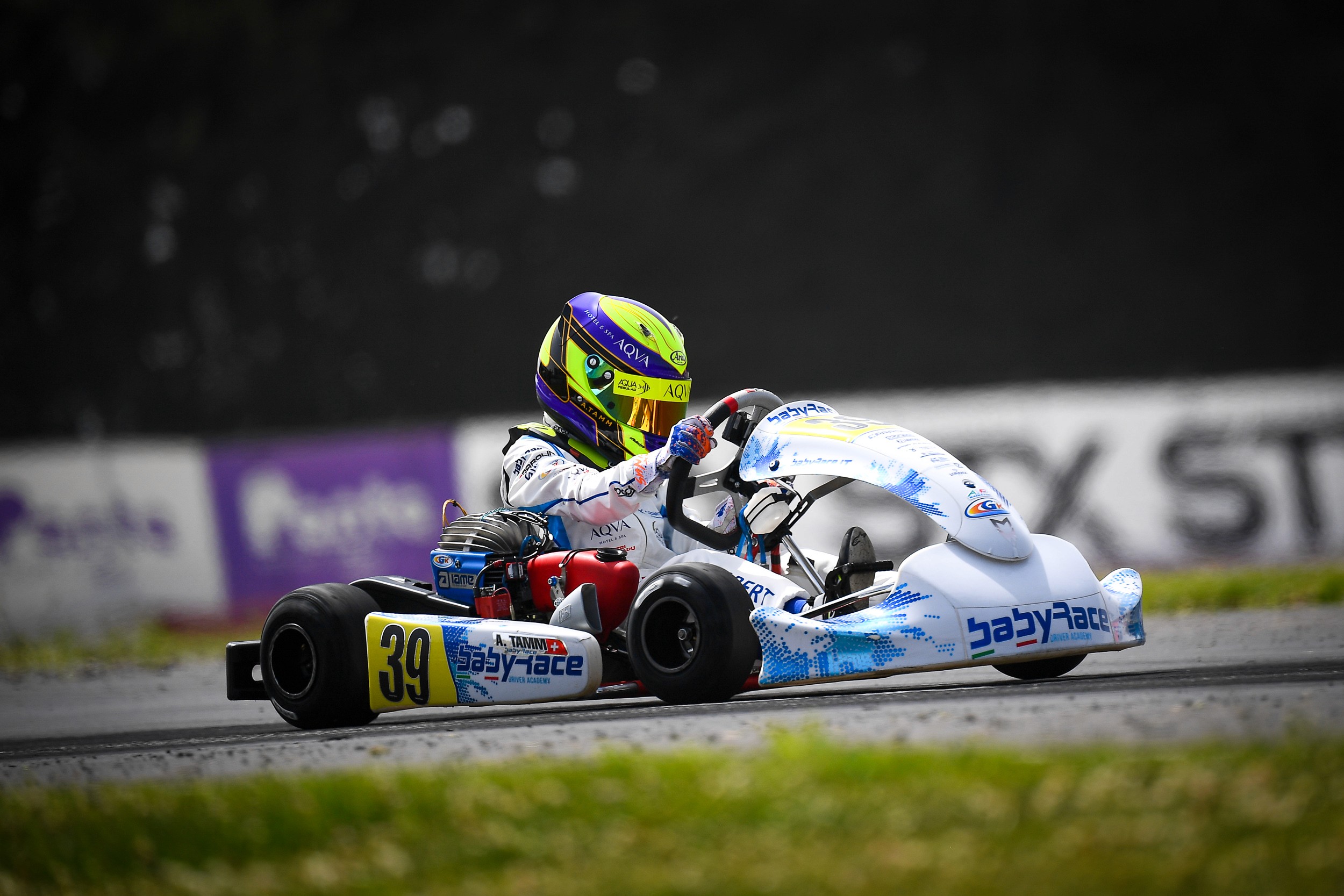
So why is weight transfer more important in wet conditions? Well, the reason is that in the wet you are essentially trying to, you know, get the kart to rotate as quickly as possible, and in order to induce that rotation, and basically to lift up the inside rear wheel, which basically makes that kart rotate more, you need to shift the weight to the outside. Now, there are two styles of driving in the wet. I mean, one is going over the curbs, the apex, especially for junior karts, seniors and kz, the shifters, whereas for mini karts, normally you probably go for the second style, which is, you know, taking wider lines in order to keep up the RPMs. But it can also work sometimes for also the juniors, or even for the bigger classes like seniors and kz. It really depends from track to track and from corner to corner, really, but yeah, the whole point means that, yeah, weight transfer is really, really important because it allows you to shift the weight to the outside wheels, and that, in turns, is going to create more load on those tires and unload the inside tires. So it’s not really the extra load on the outside tires. I think it’s more the unload on the inside rear tire. That’s pretty much it, because at the end of the day, you really want to lift up even by just a fraction, the inside rear wheel. And by doing so, you’re going to have a better rotation, which is crucial if you want to get on the throttle, you know, if you have a very quick rotation, and, you know, are able to gain 0.01, you know, just 100th of a second in every single corner compared to the other drivers. You know, in terms of rotation, because you can rotate the kart faster. Well, that’s going to result in faster lap times. So normally, that is the solution.
How does grip change when the track is wet?
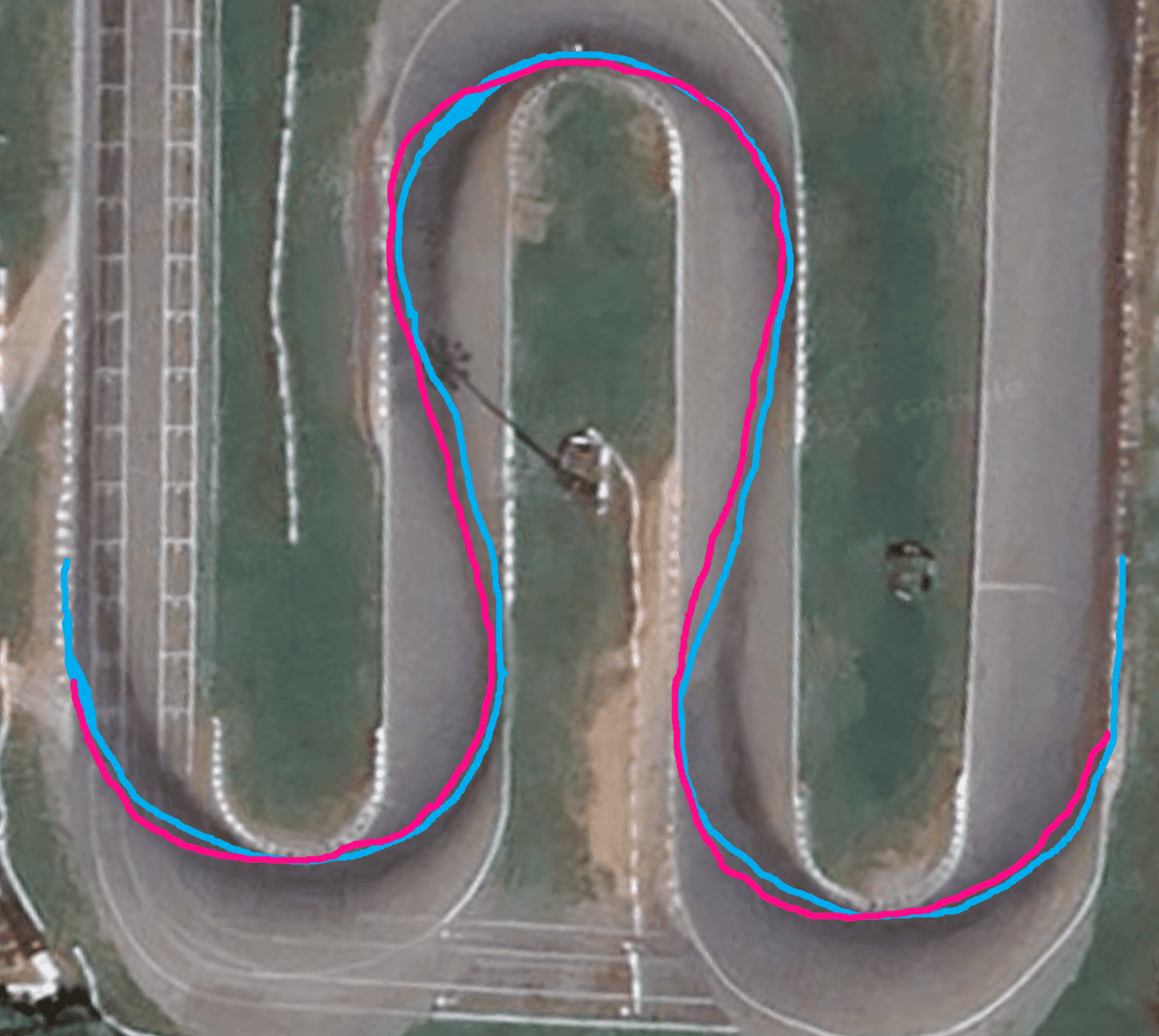
Well, basically, think about it, when you are driving in wet conditions, the friction coefficient reduces. So just by driving on any certain pavement, any certain surface when there’s water, you know there’s always going to be less friction. So with less friction, less grip comes. But also, the problem is that when you drive in wet conditions, if you drive over the rubber, so the rubber that has been layered on track by, you know, the karts driving the track, so if you drive over that rubber, that rubber is going to be even more slippery, because, you know, those chemicals, those, you know, plastic chemicals that are basically the components of the tires, you know, they are going to actually create even more grip loss. And yeah, essentially the friction coefficient will be less and so, yeah, it’s going to be very, very slippery when you drive over those parts. And that’s why, for example, if you try to brake really hard in the wet onto the rubber, you know you’re going to slide and probably we go straight or spin, or even if you try to go full throttle, your traction is going to be terrible if you’re going full throttle over a place on the track where there’s so much rubber, for example, you know, if you’re going on the racing line on the exit, where everybody’s going flat out. So yeah, that’s why, in a way, you want to take different lines at the end of the day. You know, otherwise, drivers wouldn’t be taking different lines. So that’s the reason why the grip change in the wet is dramatic, and why drivers try to avoid as much as possible the rubber line.
How do you increase weight transfer from your kart when driving in the wet?
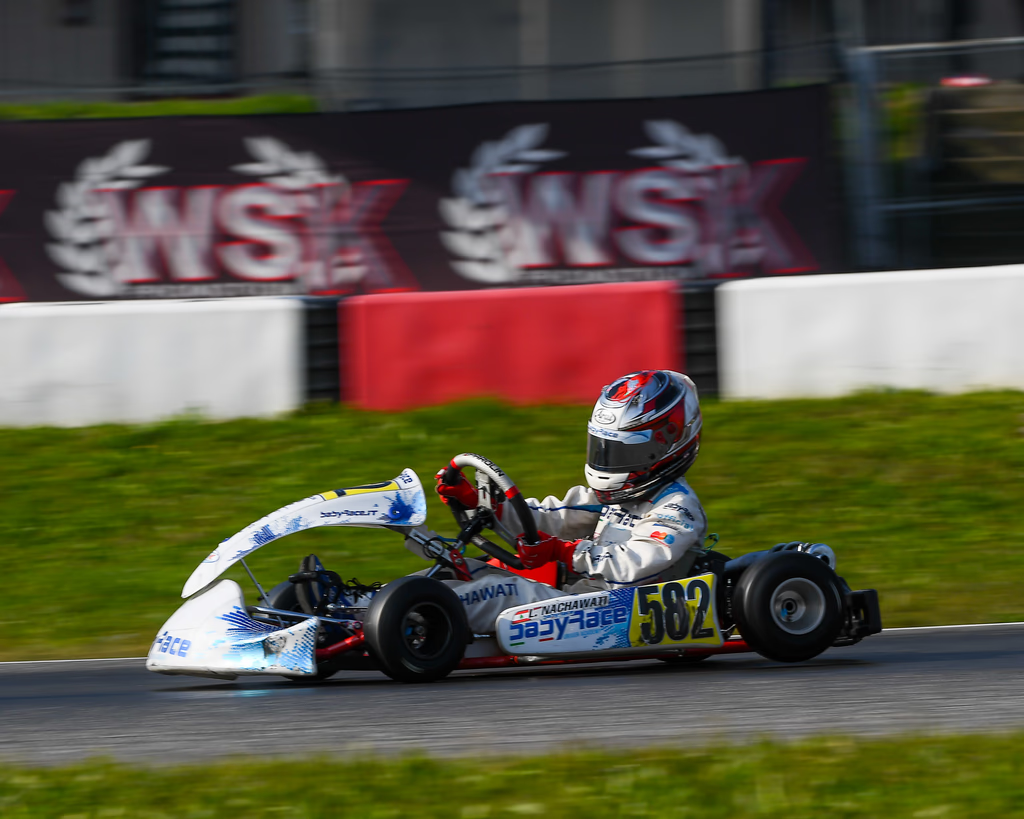
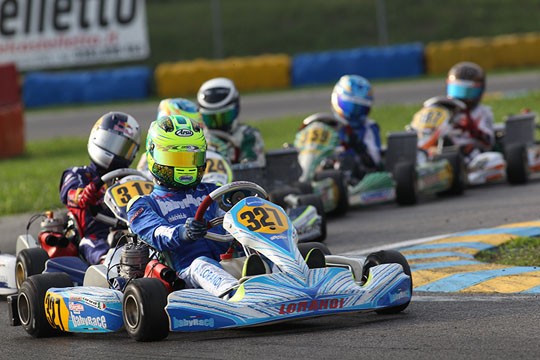
How do you increase the weight transfer from your kart in the wet? Well, there are two major ways you can affect weight transfer with your driving. So the number one way is with your body. And obviously your body has certain weight, and the higher the weight, so the heavier you are, essentially is going to create more weight transfer. So just the simple movement of your arms or the movement of your chest or the movement of your head is going to increase weight transfer automatically. But if you consciously want to increase the weight transfer, the way to do it, which is probably what you’ve seen drivers doing, and also maybe what you have been doing already yourself is to literally throw your body outside of the kart when going through a corner. For example, if you’re turning to the right, right, you’d have to load the kart on the left. And how to load the kart on the left is by simply throwing your body outside, therefore loading on the left hand side. So you always have to load on the outside. But that obviously depends on the setup. You know, if you have a lot of understeer, you are going to do it more than if your kart, for example, has a lot of rotation, so you won’t have to do that much weight transfer by yourself. So yeah, it really depends. Of course, you want to do that when you feel like you need that, when you feel like the kart is not rotating enough, you’re going to use the weight transfer. And I really believe that is a great tool, and that’s why, normally, in the wet you would normally run with a softer seat, in terms of, like, you know, loosening up the seat, just simply to make it a bit softer so that it can feel a bit the weight transfer. And by doing that, it allows you to actually affect more the weight transfer of your body by, you know, using your body to rotate, but basically throwing yourself at the outside.
And the second way to affect weight transfer, which is, you know, what everybody does is basically your hands, obviously the steering wheel that is being turned. And obviously, remember that anytime you turn the steering wheel, you are essentially changing the weight transfer, because with the geometry of the front of course you’re going to, when turning to the right, for example, you will be basically loading the outside tires, while, when turning to the left, you’re going to basically be loading the outside tires. That is why, when you have predominantly, you know, clockwise right hander turns, you are going to load much more the left tires. And therefore, you know, those tires are going to heat up way more than the right hand ones. So yeah, that is pretty much the reason why you typically warm up a lot more the left hand tires in clockwise circuits.
So in the wet, if you feel like you need to get more rotation, obviously there’s a certain limit in the geometry and the Akerman effect, but if you turn the wheels more, you’re going to increase the weight transfer until a certain amount, because, as you will see in karting, you know you are going to turn the steering wheel until a certain amount, but then at some point, it’s basically going to, yeah, actually turn less on the outside tire. So yeah, there’s a certain limit, of course, that you can turn the wheel, but yeah, it’s very unlikely that you’re going to turn over the slip angle, I would say. But yeah, so, yeah, the number one way to obviously affect the weight transfer is through your steering wheel. The second way is through your weight transfer. And obviously they do similar things, but the weight transfer from your body is, you know, going to basically unload or load, if you want to basically, you know, stay a little bit more leaned in, all right, instead of leaning out, when you lean in, basically, you’re doing the opposite. You are basically loading the inside tire. That’s actually going to give you more rear grip and less rotation. So it really depends on what you are trying to achieve, but in the wet, normally you would want to take off rear grip because, you know, go karts don’t have differentials, and without differential, like in Formula karts or GT karts, you are basically relying only on the rear axle. And if the rear axle is basically flat and it’s not moving, it’s not basically, you know, lifting up the inside rear tire, you’re not basically rotating the kart as well. You know, the goal is that the rear inside tire is basically going to lift up so that you’re going to generate rotation in the wet. That’s basically it. That’s how you rotate the kart normally. So that’s why you need to also have a lot of front grip, because when you have a lot of front grip, like a lot of caster, you will be able to generate more, yeah, more rotation, and the inside rear wheel is going to lift up easier. So these are the two main ways to affect weight transfer in the wet and also, generally in the dry as well.
What happens if there’s not enough weight transfer in a corner?
Well in the wet, if you’re not having enough weight transfer, you’re basically struggling with rotation. And if your rotation is poor, you will have understeer. And if you have understeer, you’re not going to be able to pick up the throttle, you know, because you’ll still be turning the wheel. So yeah, the real goal is that the rotation in the mid corner must be really maximum, in my opinion, in the wet, obviously, until the point when it becomes too much, and that is going to basically give you just no rear grip at all. But yeah, overall, you need to chase, I believe, as much rotation as you possibly can. And if you feel that you don’t have enough rotation, you have to think about the weight transfer. So how to generate more weight transfer by tweaking on the setup, but also on your driving, by using more steering wheel if needed until a certain threshold. You know, remember, there’s a limit, and also how to use your body more. But normally I just feel like, setup wise, also there need to be done a lot of work, especially in the wet if you really want to be perfect. Because, yeah, you can’t rely just on the weight transfer, especially for shorter drivers, where they are not able to, you know, induce a lot of weight transfer with their short height and low weight. It’s going to be very hard to, yeah, just induce weight transfer at all. So for those kind of drivers, the setup is critical, because, yeah, it’s very hard for them to create any weight transfer, almost by using just their body size, you know, I mean.
What happens if you have too much weight transfer in the wet?
Well, you’ll notice that when, for example, you’re going to go through corners, and the rear is just so unstable, it’s like going on its own, and you can’t really correct it. So normally, I prefer to be on the high end of weight transfer, you know, on the high end of rotation. But at the same time, I wouldn’t want to have, obviously, too much that I can’t control it. But yeah, I feel like the best drivers, and the most, you know, sensible drivers, like, you know, Max Verstappen, they are able to have a kart or a car that has a lot of rotation, and that is always a fast kart, you know, if you want to have a lazy kart that is easy to drive, yeah, well, it’s easy to create that, I mean, but is that going to be fast? Well, no, I mean, that’s why faster karts and karts are normally the most difficult to drive ones. So yeah, that is one of the reasons why I prefer to be on the high end of rotation. And if that is going to require more weight transfer, you know, that’s going to be good. But as I said, in my opinion, yes, the driver should aid weight transfer when, for example, the setup is not there, you know. But I believe that the driver should not be moving too much when driving, because most of that should be coming mostly from the weight, you know what I mean. So like choosing the seat height, you know, in the wet going higher and maybe going forward, as well as, for example, you know, changing the inclination of the seat, as well as, for example, you know, changing the front geometry and caster and everything else, so that you can still affect the weight transfer, but without having the driver doing too much work. Yes, I mean, the driver should still push hard and everything else, but I feel that a faster kart in the wet is when, you know, the kart is almost rotating on its own, without having the driver having to do too much rotation. You know what I mean? Like yeah, the driver should still push like crazy into the corner. And by pushing like crazy into the corner, you generate the weight transfer and you generate the rotation. But I wouldn’t want a driver that has to only rely on the weight transfer to rotate the kart. I mean, that wouldn’t be a very fast kart. Yes, it’s a way to basically compensate and put, like, a patch on the problem that is, you know, not enough rotation. But I wouldn’t want it to be my number one way to go about driving and winning in the wet.
How can drivers practice this weight transfer skill?
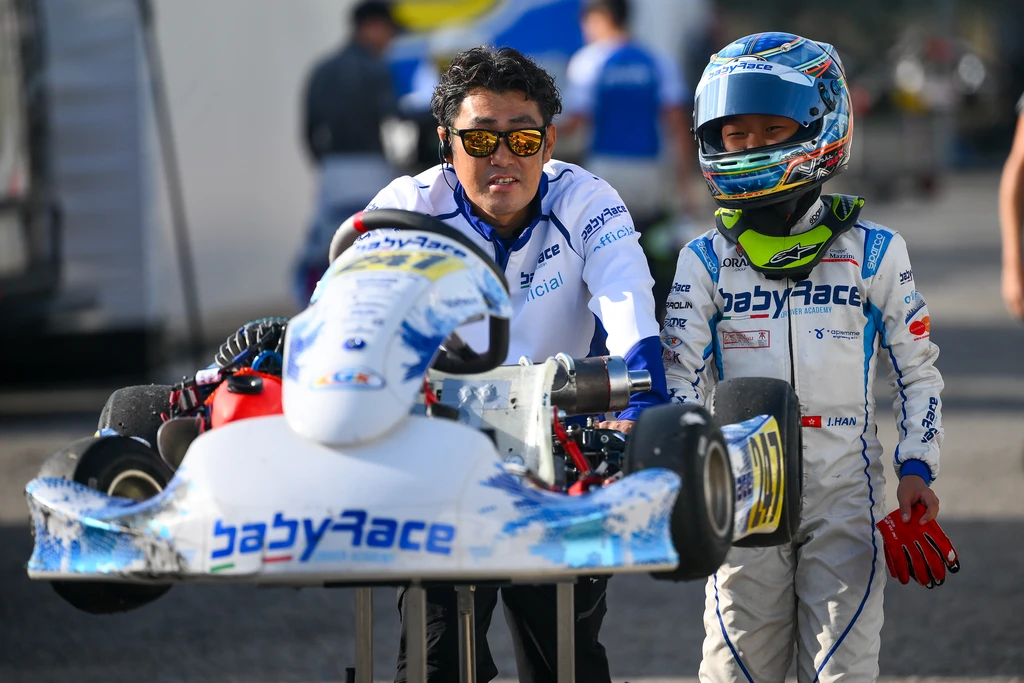
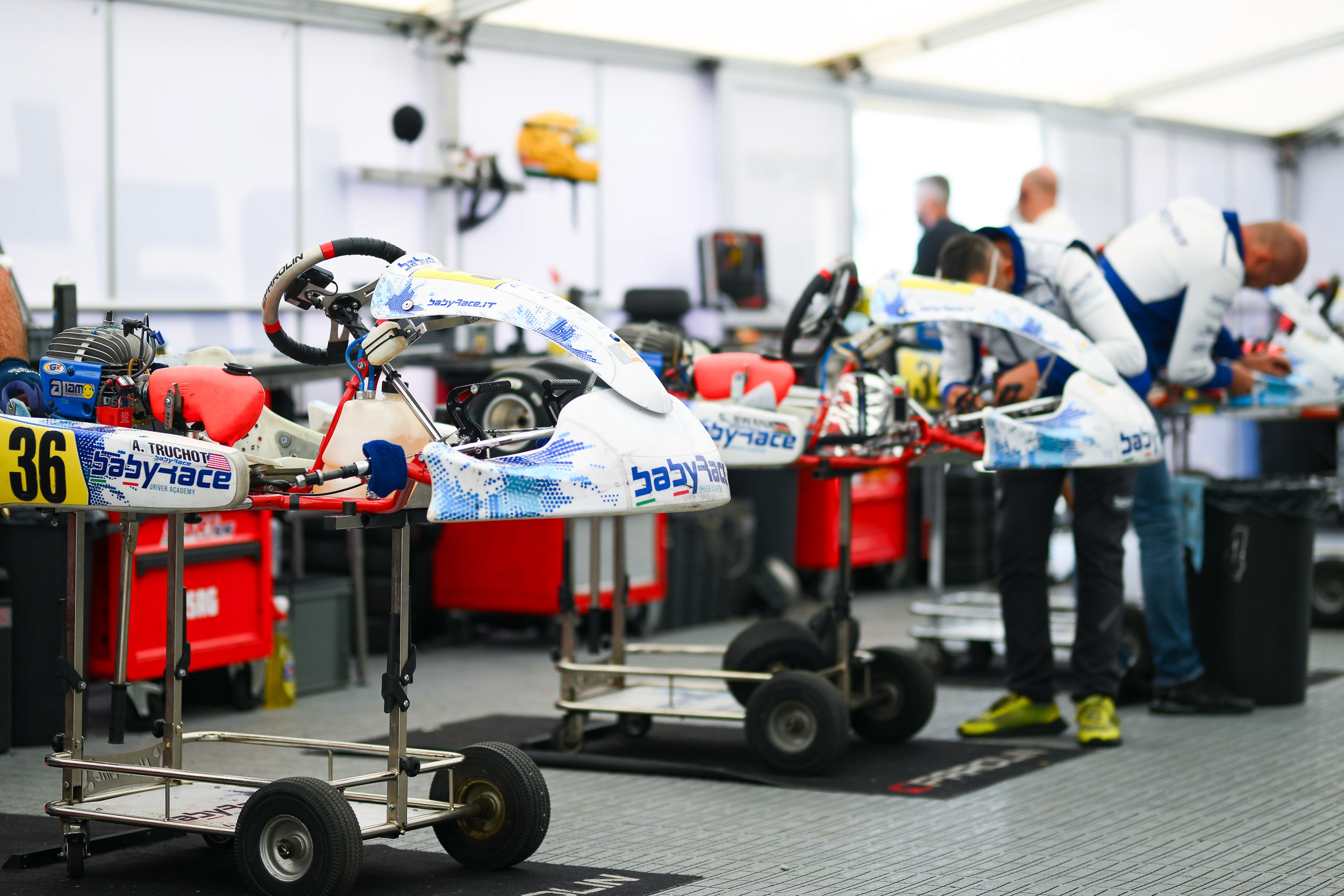
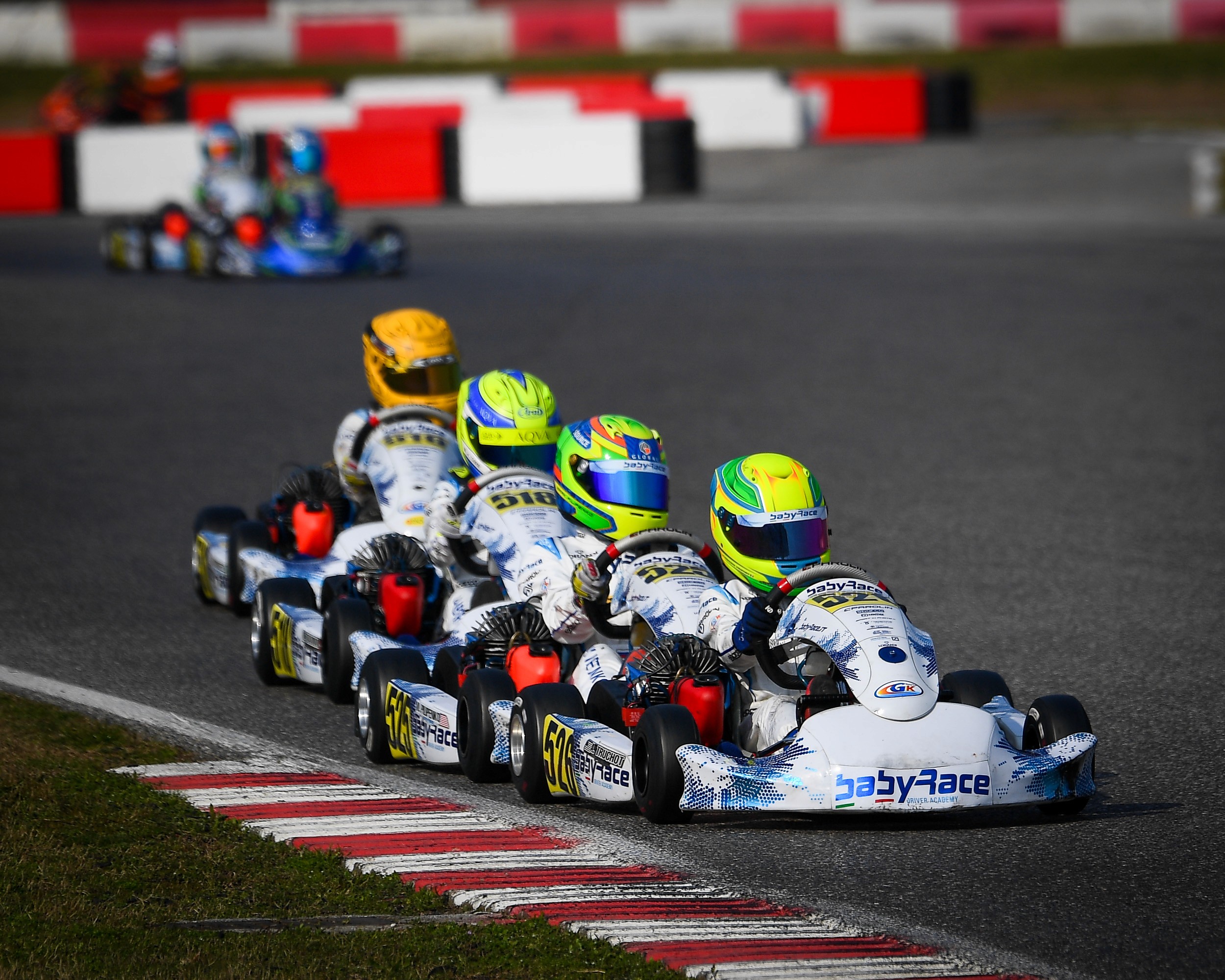
I mean, what I normally do with my drivers at BabyRace is asking them to, you know, get into the kart, when in the tent, you know, inside the kart, and try to, basically, you know, move inside of the seat and try to, you know, practice that movement, you know, turn into the right and push their body to the left, you know, then the opposite turning to the left and pushing their body to the right. And by doing so, they are going to start to, you know, have a feel for what it means. And also, when you are, you know, on the ground, you can feel that the kart is flexing. With the kart flexing, you can see that the tires, you know, the inside tires, is moving. And even, you know, yeah, this kind of sort of things. So, and lifting, by the way, not just moving. So, yeah, you can see these kind of things. So normally, the number one way I ask drivers is to just try it first on the ground, get used to that, and then just replicate it when you’re on track, without pressure, without stress and just dealing with it.
So I believe weight transfer is a very, very important skill to master. But it’s not just about the driver inducing weight transfer. As I said already in this guide, I believe that the kart setup has a big role in that. But of course, when you are out on track and it starts to rain, maybe you’re not able to change the setup that much, then it’s really up to you to generate that weight transfer that you need to create the rotation. So yeah, I mean, the driver needs to always be able to compensate when the weight transfer from the kart is not enough. And so they need to always feel what’s the ideal weight transfer for any given moment. You know, I really feel that is the skill that drivers seem to develop, the ability and skills of driving on the limit all the time, inducing the weight transfer at the right time and with the right way.
So I hope this weight transfer guide was helpful. If you wish to get any other insider secrets on how to get faster in karting, you can sign up to our six month training program where you’ll be able to access 600 plus pre recorded lessons on how to get faster on track. But there’s just 25 seats available, so you need to hurry up and double check whether there’s still any availability. And if that’s not enough, you can apply for a online, remote coaching video analysis, where I will basically reply to your onboard video with a professional video review with all the tips and tricks and suggestions to basically improve your driving based on my 20 plus experience from what I see from your onboard video that you’ve sent. So I believe that this is one of the fastest ways to find lap time and ideally win races. So if you want to apply for that, just click the link below and I’ll see you in the next one. Remember to just send it. Ciao.