Karting Aerodynamics 101: How Airflow Affects Your Performance
Master the invisible force that separates winners from the rest. Your kart's aerodynamics aren't just theory, they're lap time.

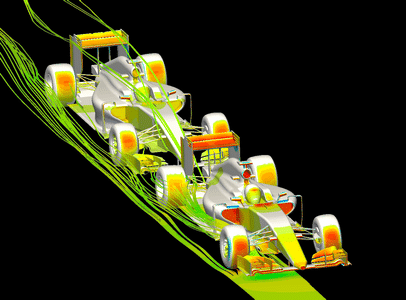
- Little aerodynamic changes can help you gain time, especially on long straights
- Reducing drag makes you faster on straights, while increasing downforce gives more grip in corners
- Your driving position, bodywork, and helmet all affect how smoothly air moves around the kart
- Ducking your head on straights creates a “human DRS” effect that can gain up to half a tenth
- Modern bodywork from brands like OTK, Parolin, and KG are designed in wind tunnels to reduce drag
- Aerodynamics matter, but driving skill and setup are still more important than airflow optimization
We’re not in Formula 1, where teams have 30+ engineers working on airflow to increase downforce and reduce drag.
But even here in karting, little aerodynamic changes can help you gain time, especially on long straights.
Why Aerodynamics Matters
In simple terms, it’s about how air moves around you and your kart.
If you reduce drag, you’ll go faster on the straights. If you increase downforce, you’ll have more grip in the corners.
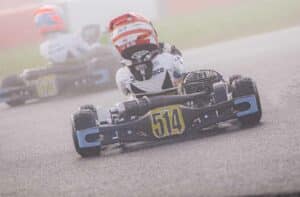
We don’t have massive wings or diffusers, but your driving position, the bodywork, and your helmet all play a decent role in how smooth or messy the air moves around the kart.
We don’t have massive wings or diffusers, but your driving position, the bodywork, and your helmet all play a decent role in how smooth or messy the air moves around the kart.
Key Aero Tips for Kart Drivers
1. Sit Low, Stay Tight
If you sit tall and wide, you’re basically a human parachute ahaha. The lower and tighter you sit, the smoother the air flows, and the less it slows you down, simple, yet there’s a limit to it, especially for taller drivers.
2. Duck on the Straights
On long straights, put your head down. This “human DRS” move reduces your profile and gives you a tiny boost. It’s not going to give you half a second like in F3, F2 or F1, but it can make a small difference, possibly up to half a tenth in really long straights.
This “human DRS” move reduces your profile and gives you a tiny boost. It’s not going to give you half a second like in F3, F2 or F1, but it can make a small difference, possibly up to half a tenth in really long straights.
3. Bodywork Matters
Modern side pods, nose cones, and NASA panels are way more aerodynamic than they used to be. Brands like OTK, Parolin, and KG are constantly testing in wind tunnels to reduce drag. Make sure your bodywork is mounted clean and tight and that it covers most of the steering wheel.
4. Seat Positioning
Where and how low your seat is mounted affects your kart’s aero. The lower you sit, the less drag you’ll create, without compromising comfort and control.
5. Use a Good Helmet
Helmets like Schuberth are made with airflow in mind. I recently switched to one, and the airflow is on another level. It feels smoother, and I’m probably even gaining some lap time down the straights.
Things You Can Do Right Now
- Practice your posture: Tuck in on the straights, elbows in, chin down.
- Check your bodywork: Make sure it’s aligned and not loose.
- Choose the best helmet possible: A more aerodynamic helmet can reduce drag.
- Sit lower: If your seat allows it, go as low as your legs let you.
Limitations to Keep in Mind
Don’t overthink it.
Getting nerdy about aerodynamics won’t give you those 3 tenths you were looking for!
Aero is important, but it’s not everything. Karting is still much more about grip, engine setup, and, most of all, guess what? your driving.
Aero is important, but it’s not everything. Karting is still much more about grip, engine setup, and, most of all, guess what? your driving.
Don’t obsess over the airflow if you’re not hitting apexes yet. But if you’re already chasing that last tenth, this stuff can help.
Final Thoughts
Aerodynamics in karting isn’t complicated, but it does matter.
Sit nice and low, stay compact, check your gear, and make small tweaks to get a bit more out of your kart.
Sometimes, those tiny gains are what separate P1 from P3.
Sometimes, those tiny gains are what separate P1 from P3.
If you’ve got questions about your setup or helmet choices, drop me a message.
Just Senndit
, Alessio Lorandi
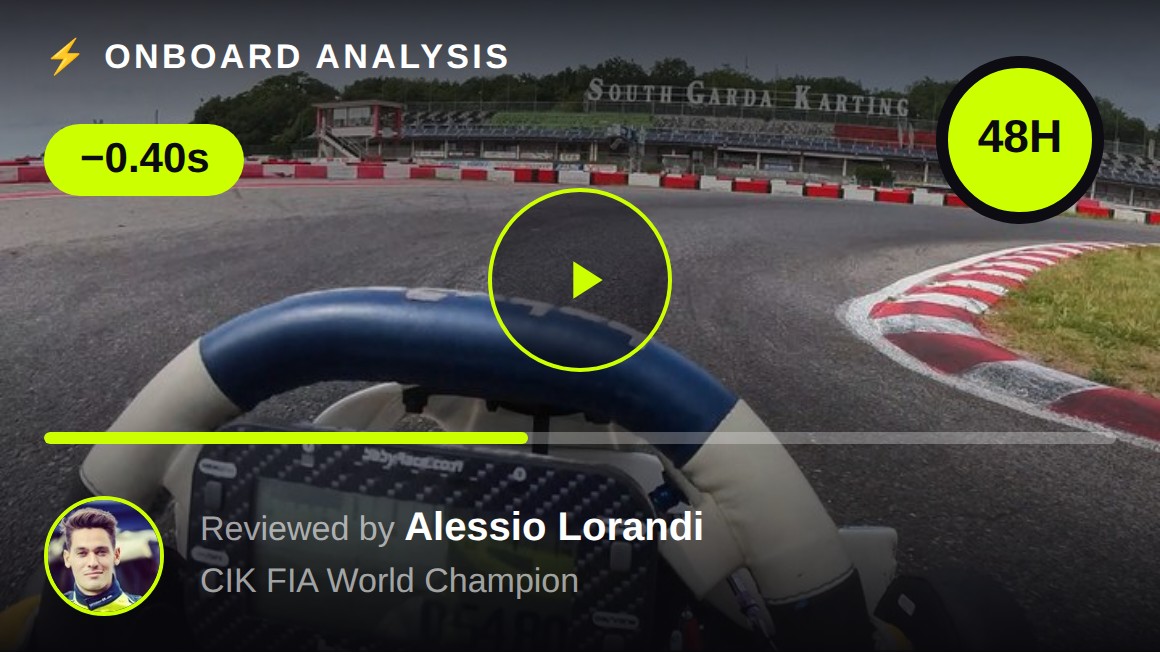
Send your onboard footage. Alessio reviews it corner-by-corner and tells you exactly what's costing you time, and how to fix it. Back within 48 hours.
Get My Onboard Reviewed → Reviewed personally by a CIK FIA World Champion, never an assistant.I promise I'll not spam you with repurposed shitty AI content but real experiences that only I, Alessio Lorandi, experienced. Written in my funny English-Italian tone of voice 😂
Alessio Lorandi is the former CIK FIA World Junior Champion, winning against Lando Norris in 2013 & F3 multiple race winner. He's helped 200+ karting drivers worldwide get faster & win WSK titles with BabyRace Driver Academy & now through Senndit, his online karting coaching platform.