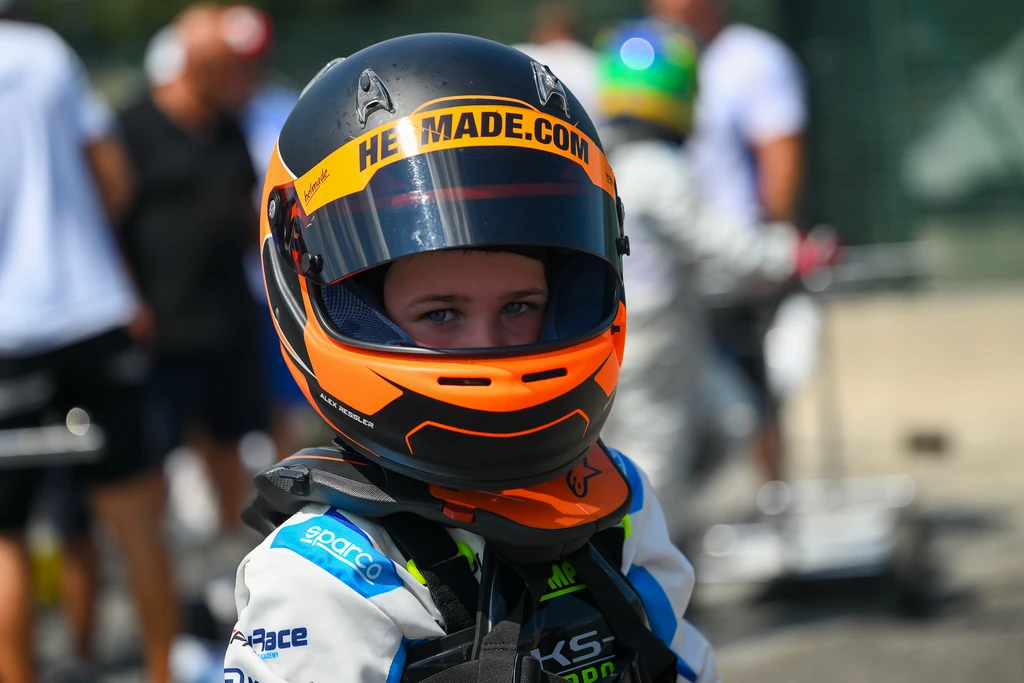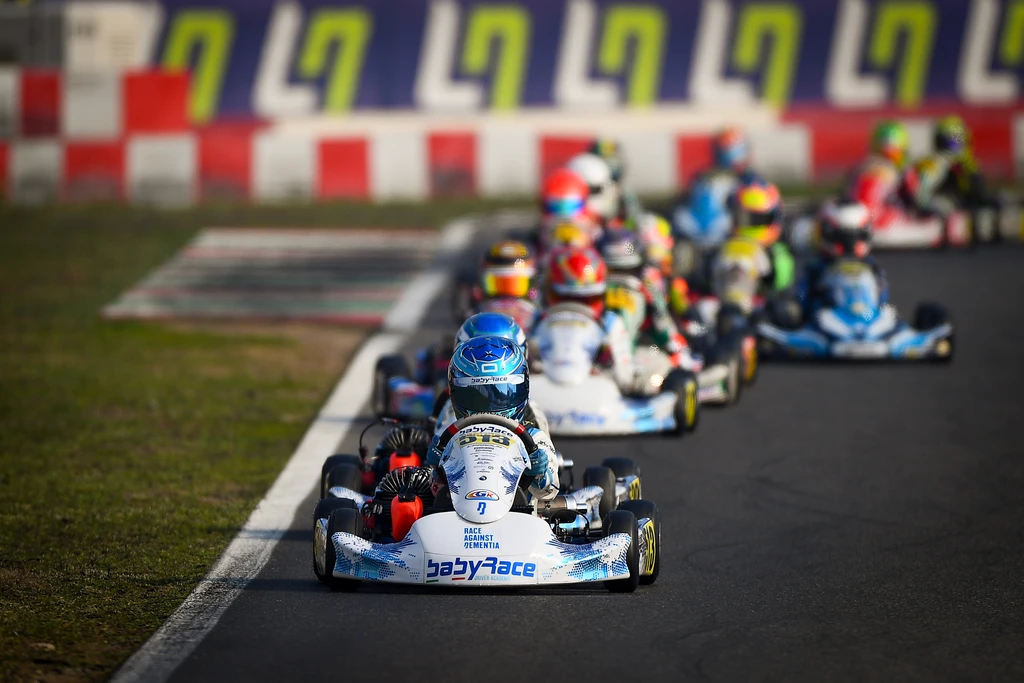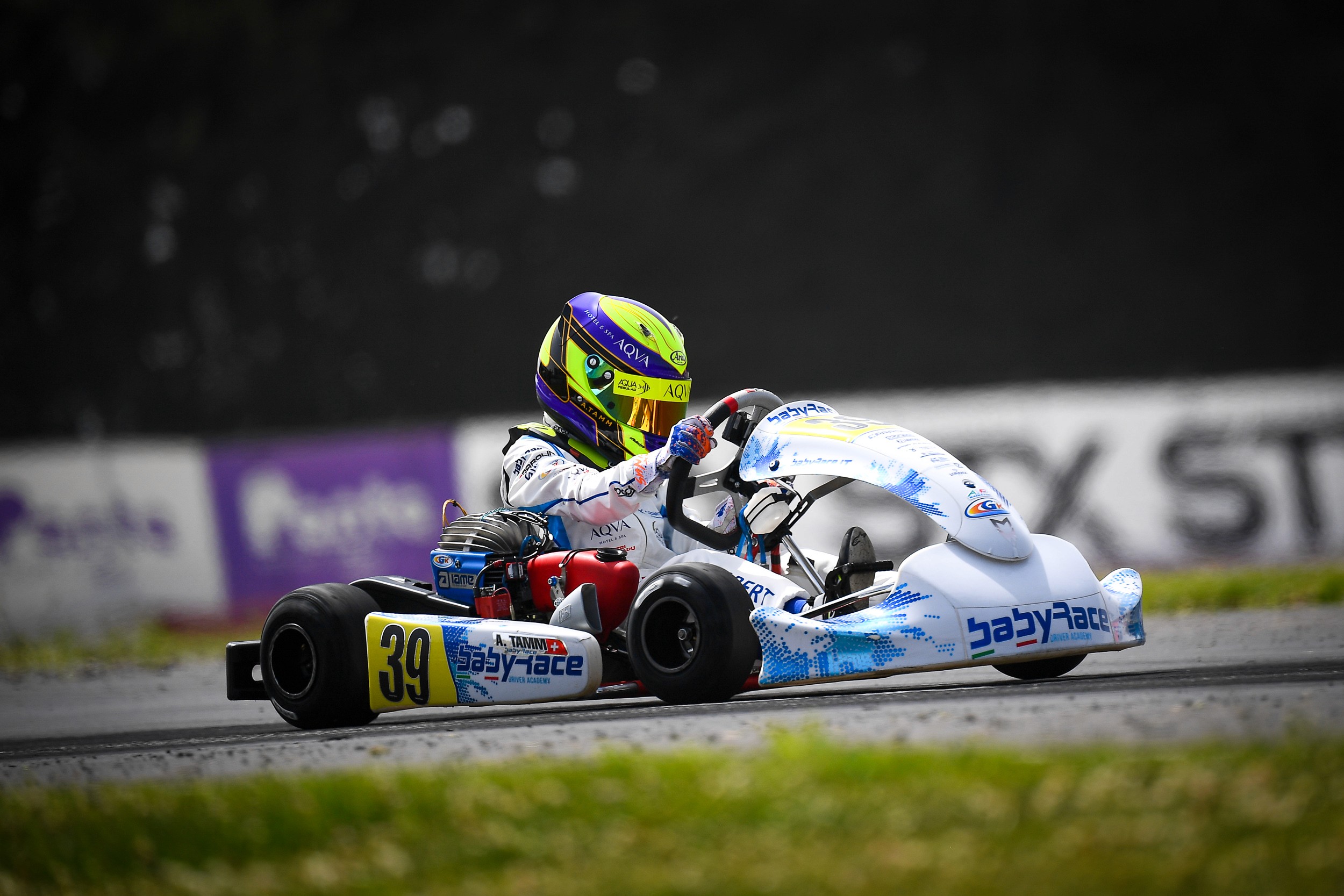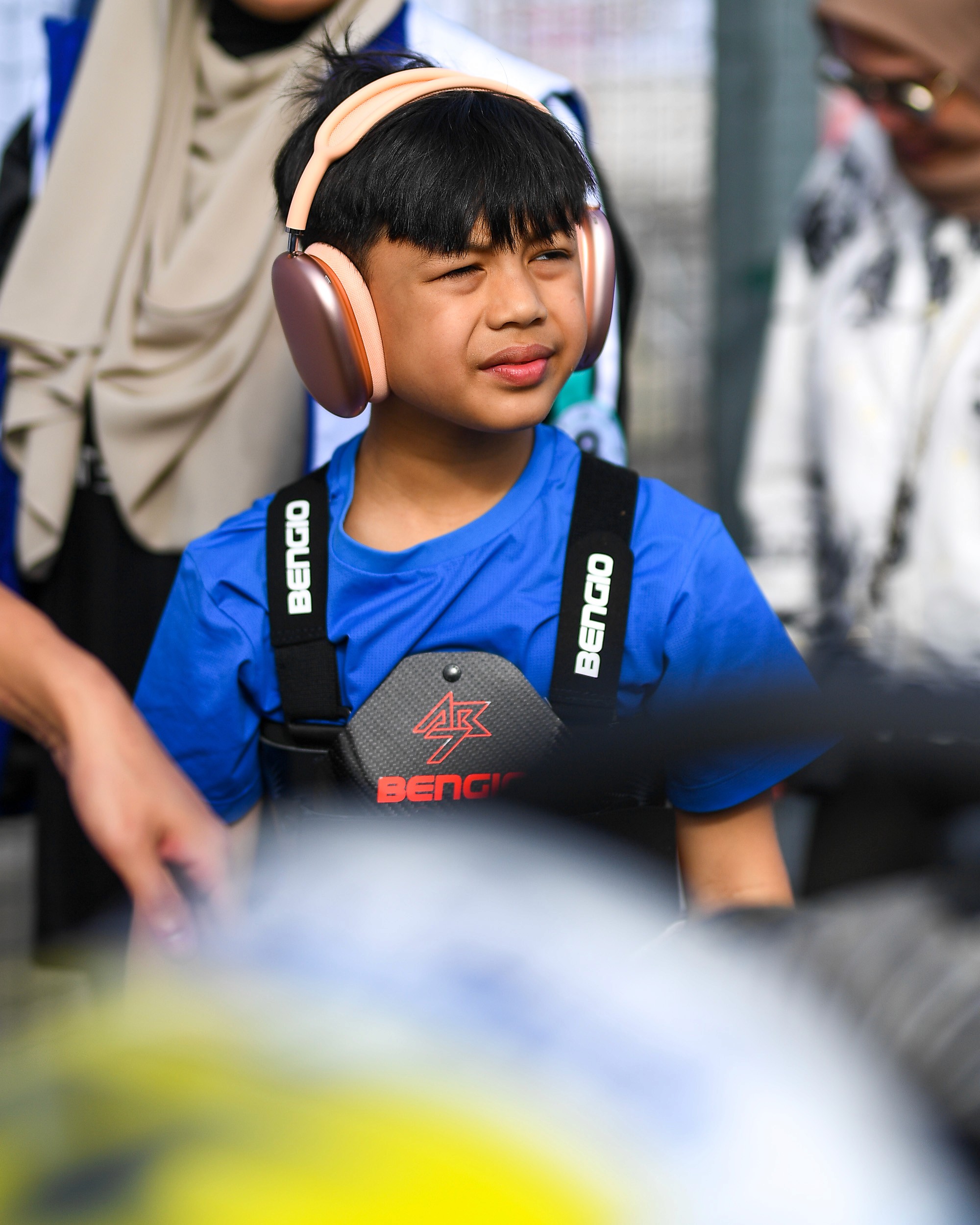

Between eight and 12 years old, karting often shifts from learning just the basics to entering real competition. The kids are getting finally into the arena of international racing, if that’s what the path you are looking for, and when real competition starts. That’s where drivers are going to either crack under pressure or shine and gain results and trophies, as in any other competitive sport.
The age between eight to 12 is really the time where talent is being shaped and where the skills are being shaped. So this is really the time where the training has to be maximized, and where the kids have to maximize every single lap they have at their disposal to squeeze and try to get the best results possible.
So in this guide, I’ll provide all of the answers to some of the most frequently asked questions about this specific age range, between eight to 12 years old.
What karting categories exist for kids between eight and 12?
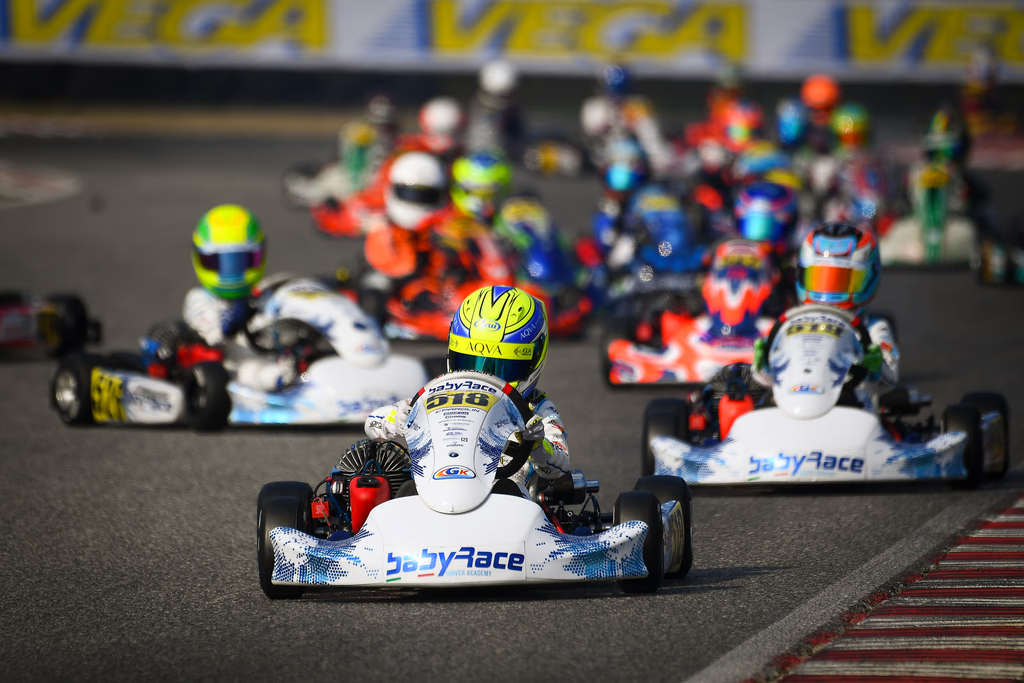
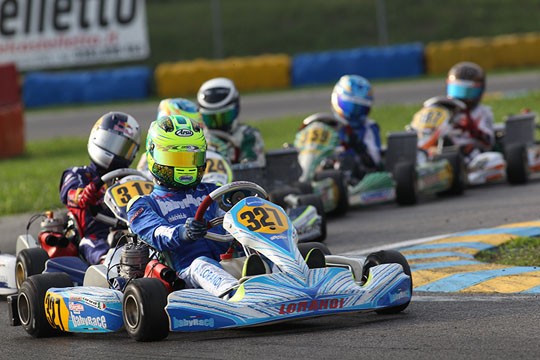
Well, at an international level, the major categories between eight to 12 are the 60 mini category from basically 8 to 12, but some drivers choose to go through the path of OK and J between 11 and 12, which is what some drivers do, and that’s basically the entry to the juniors karts, the bigger ones.
So they go from being in mini from eight to 12. But some of the kids may go from 11 to 12 actually, in this OK and J category.
When should kids start racing instead of just practice?
This is a very common question, and what I typically see from most parents too, is that they get to racing too soon. I would say when the kids are not ready enough.
That, of course, increases frustration in the kids, because, of course, they cannot compete with some of their drivers that have perhaps maybe, like, three times more experience than them, or maybe they are eight years old and are competing against kids that are 11 years old.
So that, of course, is a major factor.
So what I recommend is to get the kids experience and fast first before getting to the races. And yeah, that’s normally the best strategy.
You don’t want to throw the kids right away into the competitive races, because that would create massive frustration, to be honest. It is also a bit of a waste of time and money, because you cannot expect the kids to perform.
You know, you just really naturally need to give them the time to perform.
How competitive are youth karting championships?
They are very competitive. I mean, it obviously depends from what kind of level you’re racing on.
If you’re racing at a national or club level, the competition will be way, way lower than if you competed at the international level, such as WSK, CIK, or Champions of the Future races, because in these series, you’re basically racing against the best drivers in the world for that specific age range.
And so you will have to face the toughest competition in the world.
What skills matter most in this age group?
The skills that matter most are basic coachability, as well as fearlessness, courage and obsession to karting.
I can honestly say that the kids that have these traits are the ones who tend to be the best in terms of speed, but also in terms of racecraft, you know, the kids that are going to end up winning more races.
So I think that you need to really have all this sort of skills.
And you know, yes, you can say that some people are born with them, but to be honest, I believe that most of them are actually nurtured.
And depending on the environment, depending on the education they received, I think that they can acquire all of these skills without any problems.
Of course, these skills are not a black and white binary option whether they have or not.
So there’s a, let’s say, a level that each of these skills should be having at, and of course, the more maxed out these skills that I just mentioned are the better, especially coachability and fearlessness.
How important is physical fitness for young drivers?
I feel it’s very important, especially because physical fitness also increases mental strength and the ability of pushing beyond your limits.
It is actually a very good school for life, and being willing to push yourself into intense strain of exercises in order to improve yourself in order to become the best, well then it’s something that it’s basically priceless.
For sure, the physical fitness aspect matters, but it matters more when they are between 12 to 15 years old.
I think that’s when the G forces start to increase, and that’s when the effort when driving the kart is actually higher.
So I feel that yes, physical fitness is important between eight to 12 years old, but it’s not that important.
Important is actually mostly about the psycho motor skills, as well as purely just the technical driving skills that you need to have behind the wheel.
How much track time should kids get each month?
I feel that, of course, the more track time the better, as in any sports basically.
You want to spend more time practicing.
For sure, if you’re able to practice every single day, you’re going to improve far more than anyone who practices just once a month.
There is no denial of that.
But in a realistic expectation, I would suggest to drive on a weekly basis at least, to be almost the same as the kids that are driving on a daily basis.
So driving at least once or twice a week is going to get the kid to be among the top two, 3% in the world of karting of his age.
Of course, if he’s able to drive on a daily basis, he is going to be in the 0.0001% because I believe nobody is able to get every single day of driving.
But there are drivers who are able to do like 300 days of driving in a year, which is quite common to see.
What separates the fastest kids from the rest?
I feel that the number one skill that separates the fastest kids from the rest is basic fearlessness.
You know, being fearless and feeling the sense of speed also more than anybody else.
Because when you’re driving a kart, you need to carry a certain amount of speed into a corner.
And if you are fearless, you just want to carry more speed than anybody else.
Sometimes that means carrying more speed than anybody else, maybe too much.
But yes, I prefer those kind of drivers that are carrying more speed and are just over driving rather than under driving.
And by doing so they are going to push the limits much earlier, get to the limits much sooner, and overall get better lap times and better results.
Besides that, I think that discipline is a major skill.
Because if you are disciplined then you’re going to put in the time and effort required to succeed and to improve your skills.
Not only on the track but also outside of the track, doing data analysis, video onboard analysis, as well as basic physical training and just being on a proper diet and fitness regime.
So I think that discipline is pretty much the meta skill that allows you to achieve outstanding results and becoming a successful driver.
How do young drivers prepare for their first karting championship?
Well, the way they prepare for their first championship is by simply practicing as much as possible.
That’s pretty much the way around it.
You need to practice as much as possible.
Try to improve every time you get on the track.
Try to get every session one millisecond quicker every day, one millisecond faster.
Try to improve every single day at least a tiny bit.
And by doing so, at some point you’re going to start getting faster and faster.
And before you even notice it, you’re going to be fighting for the top position.
So I think that is how they are going to prepare for the first championship.
By simply practicing, doing test days, getting physically fit, studying the rules and the flags and stuff like that.
Those are basic stats you need to know before taking on a race.
Going to the briefing of the race and trying to understand exactly all of the race scenarios with flags, potential penalties, etc.
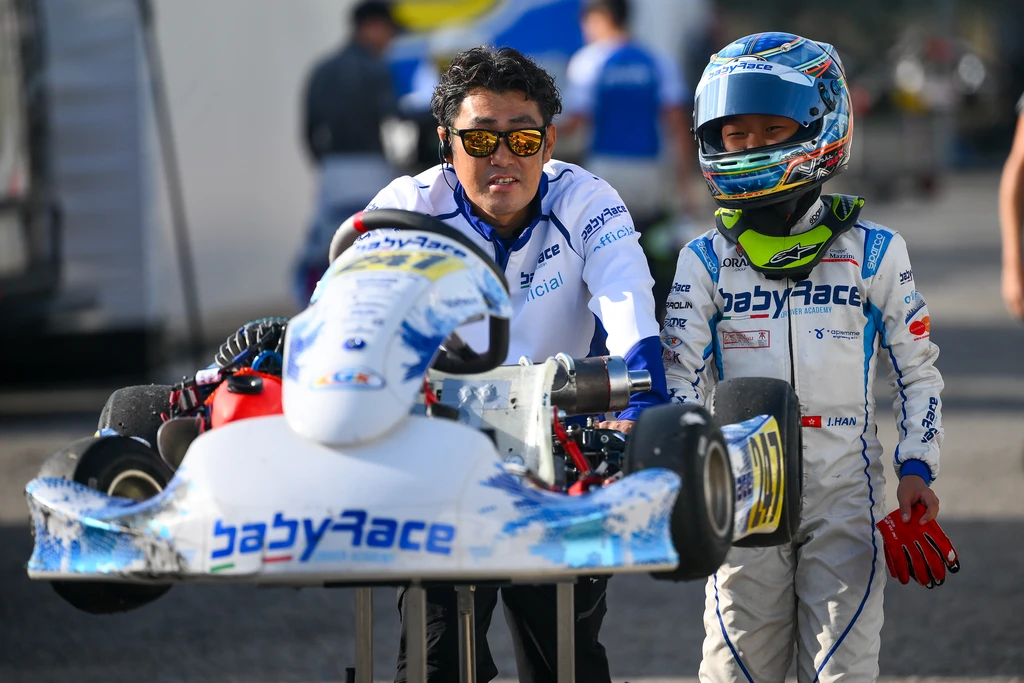
What role do coaches play at this stage?
I feel that karting coaches are very important.
Now, I was able to get myself up and running and winning races without needing a proper coach.
I was kind of getting coached by my mechanic, which was, to be honest, very experienced and very good.
Which is what many drivers receive anyways.
Even though nowadays I see that there are not that many great mechanics that are able to give great coaching tips.
So yes, recently there’s been this new trend of having their private coach at the racetrack, which is very popular right now.
I feel that if you have a very, very good coach it can be a very valuable addition to your entourage of people around you.
And it’s definitely going to bring you some valuable insights.
At the end of the day it is an extra couple of eyes that are going to be able to look at you exactly when driving and give you exactly the driving tips required to improve your performance.
And I feel that there’s a massive difference in a driver’s career trajectory based on the coaching quality.
For example, if you receive bad coaching you probably would have been better off not getting coached at all.
So I feel that it’s really important to consider that all the time.
Bad coaching can actually hurt a driver.
So instead of getting coached randomly try to get someone who’s very experienced and that you know is constantly going to do a great job and actually teaches a lot to the driver.
Versus just getting a random coach that has not been involved in this sport for long or that has not been driving himself for a long time.
So yes, it is very important to select a very, very good coach.
How do kids handle pressure during races?
I think the way kids need to handle pressure during races is simply by not thinking about the end result.
The only way to do good is to just think about your performance.
Performance versus results driven.
Kids are going to get way better results because you need to focus on improving your performance.
If you are going to drive the best corners of your life every single lap you are going to get a very good result.
You need to get the most out of the kart.
People will notice and results will come.
You have to believe in that.
When should families consider joining a racing team?
Well, if you want to race at the competitive international level there’s no way around it.
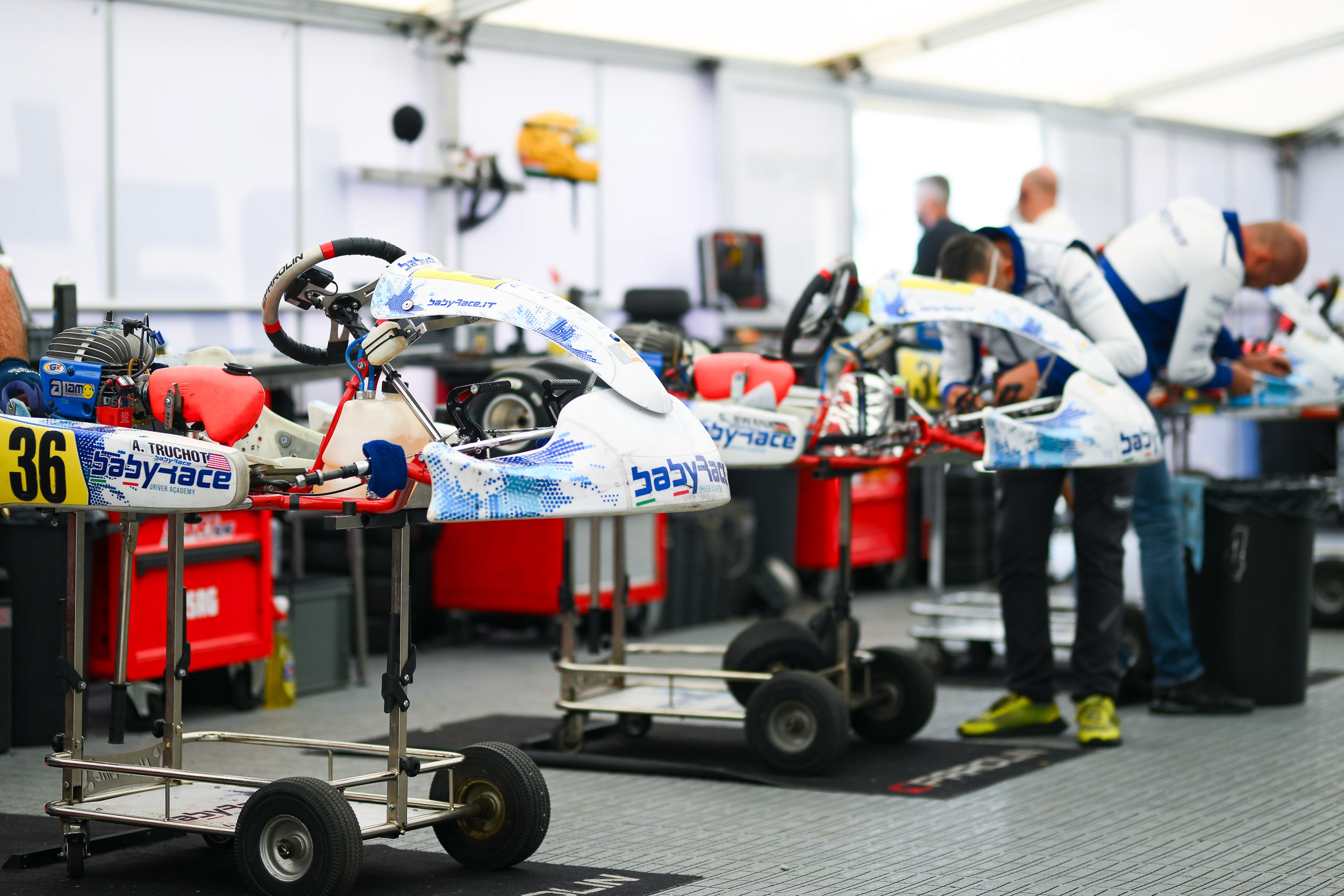
You just need to join a proper racing team.
You cannot just get your dad to mechanic you and expect to win races.
If your goal is to have a shot at winning you have to join one of the best teams.
What should progress look like over a season?
I feel that at this age, between eight to 12, if the driver has gone through a very packed season of races, he is going to develop massively.
If he goes and drives every week and races on a weekly or monthly basis the more races the better.
The more training days the better.
Given enough time and enough competition and enough performance from the equipment, the kids are going to progress quite a lot.
I really believe that the curve from eight to 12 is really the highest learning development curve.
Conclusion
This age range, between eight to 12 is really the period where drivers develop their race craft, discipline, consistency, but overall their driving skills that are going to stay with them for life.
They’re going to learn about racing lines.
They’re going to learn about braking efficiency, apex techniques, overtaking, attacking and defending.
So I feel that this is the most special and highest rate of development age for any kind of racing driver.
This should be a special moment and also a very delicate moment where the kids should receive the highest quantity of driving as well as the highest quality of driving thanks to great coaching.
If you need some online coaching to get some onboard videos analyzed, feel free to hit me up and send me your onboard videos. I’ll be ready to send back a video review within 24 hours.