New Tire Time Attack: My Top Qualifying Tips
Fresh rubber demands patience. Master the build-up, nail your line, and gain those crucial tenths where it counts.

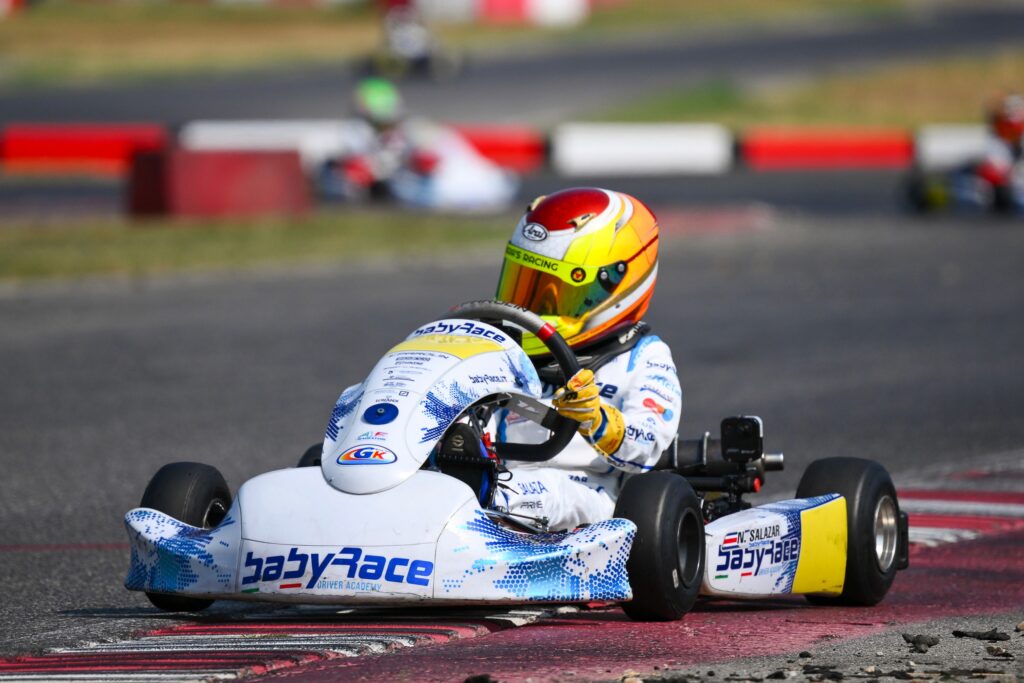
- Don’t push 100% straight out of the pits, massage tires gradually to build temperature evenly
- Follow the build-up routine: out lap (warm up), lap 1 (60-70%), lap 2 (80-90%), lap 3 (100% push)
- Secure clean air and avoid fighting for position during your fast lap
- New tires gain 3-4 tenths mainly through mid-corner and exit grip, not braking zones
- Watch for understeer as new tires typically provide more rear grip
- Ensure engine temp, carburation, and track position are perfect before your push lap
Alright, so you’re heading out on new tires. Great, feels exciting, right?
Maybe it’s qualifying, maybe it’s pre-qualy.
Whatever the case, you’re trying to squeeze every last bit of performance out of those tires, right?
Let me walk you through how I approach it after years of doing this at the highest level, because trust me, there’s a right way to do it, and rushing things in your out lap can totally ruin your best lap later on.
Be Patient on the Out Lap
First things first, don’t push 100% straight out of the pits.
I’m serious here, even in the coldest days where you struggle for tyre temperature.
I see this all the time.
Drivers get excited, attack too early, and ruin the grip before the tire even wakes up. You’ve got to build that temperature slowly.
Think of it like massaging the tire.
The out lap is all about bringing the inside temperature and tire pressure up gradually before you start sliding and pushing for lap time.
Because if you go flat-out too soon, the temperature will rise unevenly between the core and the surface, and that’s when you start losing performance.
This inside vs outside temperature discrepancy is real, you want to avoid pushing those core surface temps before the tyre is “ready” on the inside.
That doesn’t mean you have to wait 4 laps, but normally the outlap, plus one more is what you need to build everything up, engine temp included.
My Push Lap Routine
So here’s how I usually break it down:
- Out lap: Just massage the tires. Warm them up gently.
- Lap 1: Continue the tyre build up, to 60%-70%, about 2-3 seconds slower than your best lap.
- Lap 2: Push around 80-90%. Get closer to that limit.
- Lap 3: That’s usually your best push lap, give it 100%.
Now, depending on the tires and the track, your best lap might come on lap 4 instead of 3.
But the key is this, when you start your first push lap, everything needs to be ready. Tires, engine temp, carburation… all of it.
Track Position Is Crucial
This one’s huge.
You also don’t want to be fighting five other drivers for space during your fast lap. That’s not a race, it’s qualifying. Let the others scrap it out and give yourself some clean air.
Now, if you’re racing in categories like Mini or Junior where slipstream matters a lot, try to get a 1-second gap behind a fast driver and close it up slowly during the lap.
That way, you get the benefit of slipstream without being stuck behind someone.
I repeat it, don’t get stuck in a group as if it was a race!
That’s gonna kill your lap time when you hit the peak of the tyres, and even if later you’d be driving better, the performance will be gone by then.
Where the Time Is Found
This one’s important, don’t expect to gain 1 second from the tyres alone.
Most of the time, you’re finding 3-4 tenths per lap, and that’s not just because of the rubber. It’s also because the track grips up a lot in qualy, everyone’s out on new tires at the same time, and the track gets quicker.
But here’s where most people get it wrong, the extra grip doesn’t let you brake 10 meters later. Nope.
Maybe 1 or 2 meters later max. The real gain is in mid-corner and exit.
That’s where the new tires shine. That’s where you’ll gain that lap time.
You’ll feel more grip in the middle of the corner, and you’ll be able to release the brake earlier and get on the throttle sooner.
That’s where the lap time comes from, not by bombing it into every braking zone.
Don’t Forget Balance
Now, keep in mind, new tires usually give more grip at the rear, so you might feel a bit of understeer if your kart isn’t perfectly balanced.
So watch out to some push understeer.
But if your setup’s good, you’ll feel the kart stick in the middle and let you carry more speed through the corner.
Final Thoughts
If you take one thing away from this: be smart about how you build up the lap.
- Get the tires warm before you push.
- Make sure your engine, carburation, and position on track are spot on.
- Know that the real gains come mid-corner and on the exit, not by going crazy on the brakes.
That’s how you get the most out of a time attack on new tires. Hope this helps, and see you on track.
Just Senndit
, Alessio
Send your onboard footage. Alessio reviews it corner-by-corner and tells you exactly what's costing you time, and how to fix it. Back within 48 hours.
Get My Onboard Reviewed → Reviewed personally by a CIK FIA World Champion, never an assistant.I promise I'll not spam you with repurposed shitty AI content but real experiences that only I, Alessio Lorandi, experienced. Written in my funny English-Italian tone of voice 😂
Alessio Lorandi is the former CIK FIA World Junior Champion, winning against Lando Norris in 2013 & F3 multiple race winner. He's helped 200+ karting drivers worldwide get faster & win WSK titles with BabyRace Driver Academy & now through Senndit, his online karting coaching platform.