
I’ve actually just got back from a 15 kilometers one hour run.
It feels amazing.
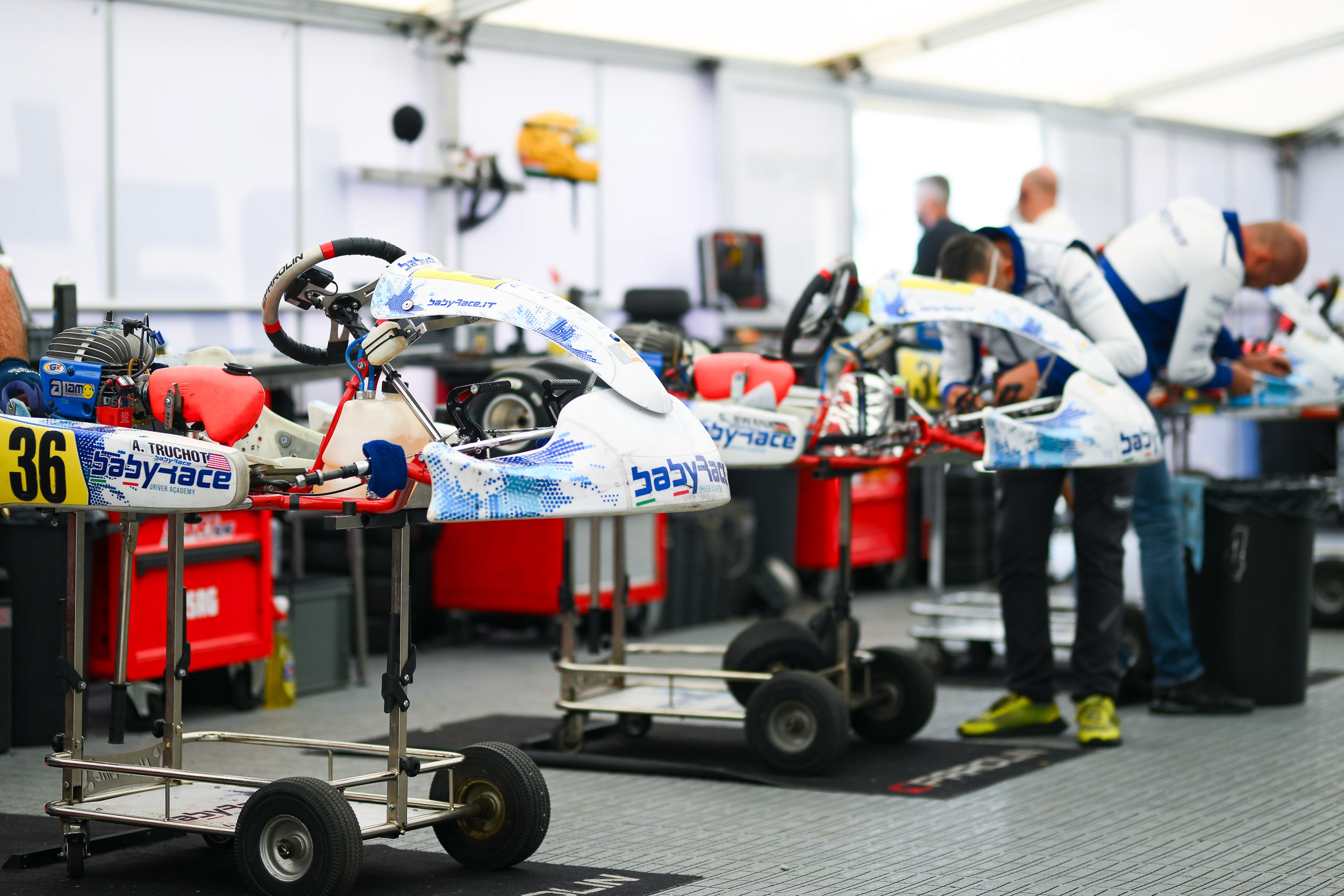
And no, I’m not preparing for a marathon, but I am preparing for a karting race. Which one I don’t even know yet, but I’m trying to get myself in shape in case I’ll have to race at some point down the line. Now this is exactly what this guide is about, endurance training. In fact, karting from the outside may not look as physically demanding, but drivers really experience significant physical strain during races, especially if they’re driving major categories like shifters, you know, and it’s in hot conditions, as I have been used to, and in those conditions when you have to do 25 laps races, you are going to really feel it. And if you have great stamina and endurance training overall, you’re definitely going to prevail over most of the other drivers that may not have the same level of training that you’ve got. In fact, without proper endurance, drivers lose so much performance as fatigue sets in. So in this guide, I will provide answers to some of the most frequently asked questions about endurance training related to karting, but also in general, to racing drivers, because I feel it’s very, very relatable for any kind of GTs, Formula cars and even other racing series.
Why is endurance so important in karting?
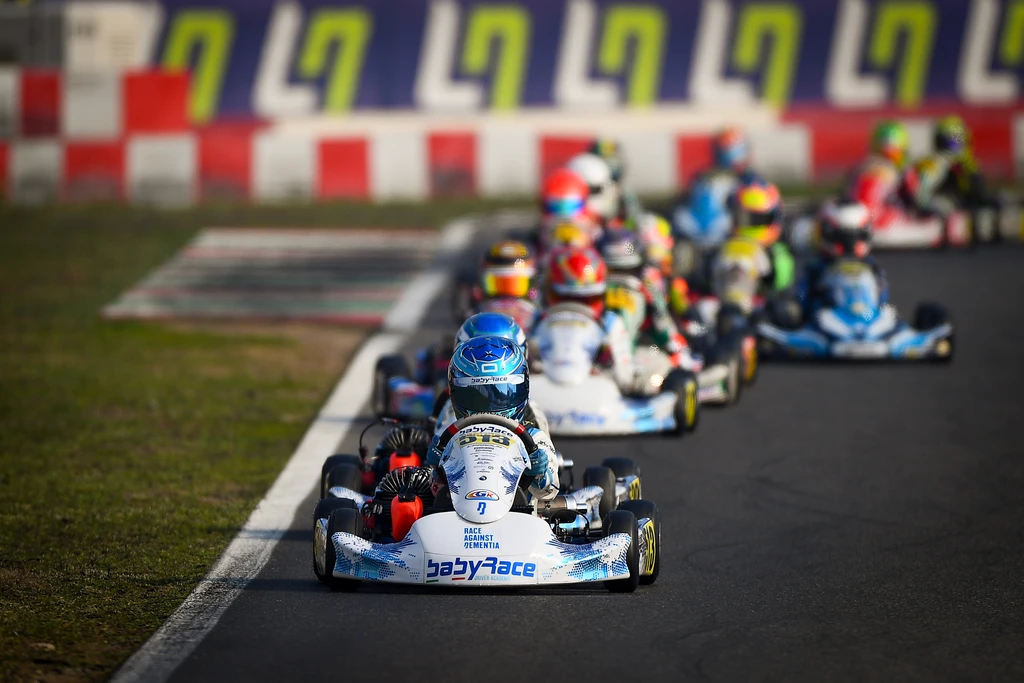
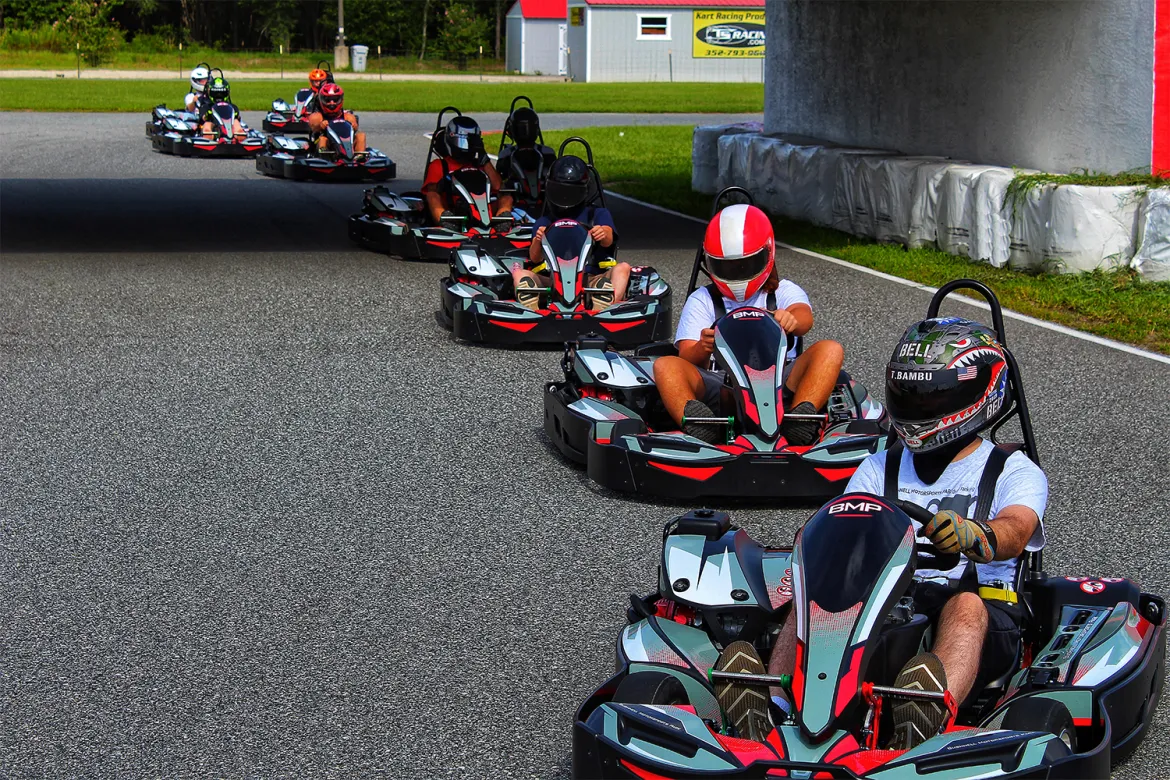
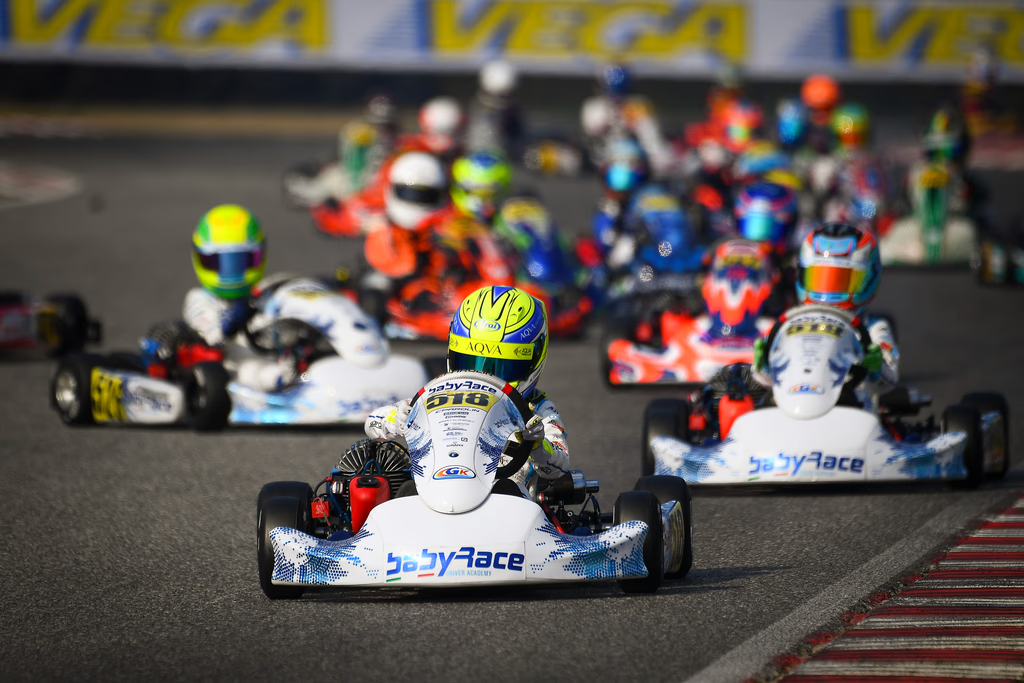
Well, think about it, when you’re driving a go kart, especially a professional kart. I mean, not talking about rental karts. Yes, in rental cars, you also are doing quite a lot of physical exercise, but it’s nowhere near what you have to experience with professional karts in very high grip scenarios with high power. So in those cases, you will be driving at about 165 to 180 heart beats per minute, which, if you actually think about it, it’s almost as if you’re running at full capacity. And you know, you may ask about how, how is it possible that you’re getting such high bpm? And the reality is that you are doing lots of work with your body. It’s not just physical work, but it’s also mental work. You know, your brain is processing so much information and the adrenaline itself, you know, just the pure adrenaline is pumping up your heart quite a lot. So you have to, again, factor in many things, the G forces that are pushing your body from the opposite side of the kart. Then you obviously have the mental work that you have to do, you know, chasing the apexes, the breaking points, going at very fast speed, having to overtake and etc, etc. And then, of course, you have to think about the adrenaline, because just the pure adrenaline, it’s going to make you stay at a very high level of heart rate. Think about it, when you’re sitting on the grid before the start and you feel like your heart rate is is starting to raise, then you know it’s, it’s no physical exercise. You’re sitting in your kart in the pit lane without having started the kart yet. So there’s no physical exercise. But your heart rate is still like, way above average. You know, you may wake up in the morning and have like a 60 or 55 BPM, but then when you’re sitting on the grid right before starting race, maybe you’re like 130 or like 140 and you haven’t even started. Why? Because you feel the tension. You feel that the stress, etc. So there’s so many factors that actually affect your heart rate when you’re driving the kart, but that’s why it’s important to be physically fit in order to be able to still be able to drive very, very quickly and at your maximum level, even though your heart rate is racing and tries to go up. But remember, of course, the fitter you are, and the lower your heart rate when driving. Of course, it’s not just the fitness, but it’s also the mental side of it. If you’re calm and you’re not cracking under pressure, you’re also going to naturally reduce your heart rate by like 1015, or even 20 beats per minute, which is huge. But you know, you can be as mentally strong as you want, but if you’re got zero fitness, you are gonna get even up to 200 heart beats per minute if you put like a random person on a shifter kart that has never been on the gym, or never had any kind of training then, and it’s not fit at all. If you put them on a kart, and they’ve never driven a kart, and you put them on a shifter and you ask them to push the limit, they are gonna explode, you know, they’re gonna go above 200 BPMs. And so it’s, it’s really like that, you know, it’s probably gonna be the most difficult thing they’ve ever done in their life.
What muscles fatigue the most during races?
Well, the muscles that you actually use the most in karting are your neck muscles as well as your forearms as well as your core stability. So all the muscles relate to your rib cage and abs. So those are the most. That you actually use the most. You’re not really using your legs that much. But then, of course, the muscle that you’re using the most, besides that, is your heart, which, at the end they is a muscle, even though it’s an organ. But yes, you are using your heart because you’re keeping the heart rate really, really high, as I said, about 180 190 even beats per minute if you’re not very fit. And so in that case, having a lot of endurance, you know, having a lot of stamina will allow you to stay and resist longer during the races, because basically, you’re able to cope with those high beats per minute. And literally, I just came back from one hour run at about 180 beats per minute average, and that pretty much simulates, I would say, three times a final race in KZ. And of course, it’s always better to train more than what your race is going to be, because you want to be like so much more fit than you know the actual physical exercise you will be doing on the kart. You just you don’t want to be just fit. You want to be so much fitter than anybody else on the grid. Basically, that’s your goal, at least the fittest on the track, maybe not the fastest. Obviously, that’s also the goal. But you know, you’ll see that the fitter you are, the faster you are, because you’ll have more mental capacity and more energy to deploy to your mental capacity, basically because you will not have to deploy to your other parts of your body. You know you will not have to deploy it to other parts they may fatigue early on. So yes, the fitter you are, the more energy left over you’ve got to deploy to your mental capacity, which means you can focus more and get better results overall. That’s really like data.
How do fatigue affect lap times?
Well, fatigue affect lap times directly. Because, think about it, if you are out of breath and you are almost about to collapse, you will not have mental clarity to you know, take on a corner a little bit quicker, or, you know, try to make that overtake. And, you know, try to just carry a little bit more speed on the entry, or a little bit more speed in mid corner. You know, if you are about to collapse because you simply have no energy left over, then you’re just going to hold on to whatever you’re able to get, you know, you’re definitely going to survive behind a wheel, and it’s going to be like the kart driving you, rather than you driving the kart. You know, I’ve felt this embarrassing way just very few times in my career, especially when I was a bit more bulky in a way that I was not fat. I mean, I was super, super bulked in a way that was very mostly, I did a lot of gym for, like, a few, for a few years, and I wasn’t racing anymore. It was, you know, from the period of 2021, to 2025 I mean, I was not able to drive because I had to focus so much on baby race driver Academy. And so I just couldn’t drive. And that made me feel quite strange when I got back in the car after four or five years of driving. Basically, I can’t even remember, but it just felt quite embarrassing, because, okay, the skills were there. I mean, I would still go fast, but I simply just couldn’t stay for more than like, six, seven laps on pace, because I just started to feel like, back pain, neck pain, forearm, space, stuff like that. I was, like, quite embarrassed, because I was like, No way. I mean, I’ve never felt like that. Because back in the days, I just used to drive on on a daily basis, almost, you know, almost every day. And so, you know, after you stop and you resume, it’s like, quite Yeah, quite shocking that you realize that you you’re not supposed to be fit for the gym. You’re not supposed to be fit, even just in terms of endurance. You need to be fit for the kart. So it’s yeah, of course, being endurance fit, of course, and having a lot of stamina helps. But, for example, you know, being gym fit doesn’t help, to be honest, because it makes you too bulky most of the times for most of the drivers, if you do, you know, body weight exercises, then no problem. But if you try to add a lot of weights and try to get very big, well that’s not going to help you at all when driving the kart. Anyways, besides that, you you really feel that when you’re not driving the kart for a long time, as fit you can think to be you’re not gonna be fit to drive, because you need to drive, drive, drive in order to be fit to drive.
How often should drivers train endurance during the week?
Well, I’d say they they should train endurance every single day. I mean, every single day. I do it on a daily basis. That’s pretty much everything that I’m doing right now. To be honest, I’m not doing any kind of gym like, I stopped the gym membership like, like, a year ago or so, and I had to prepare the for the world championship the.
The FIA kz one world championship last year, and I basically didn’t go to the gym at all. I just went cycling and running, cycling and running, cycling and running. Then I did some swimming, then I did some tennis and paddle like, but just that rinse and repeat cycling and running, I lost all the weight that I needed to lose, in terms of, like, I didn’t lose fat because I only had like 6% fat. It was quite low. But I had to lose muscle, so I kind of stopped, yeah, training in the gym. I stopped doing weight exercises. So I went from like 78 kilos. Well, I was actually 82 two years ago, but all muscles, you know, I was not fat. But anyways, I went from 82 all the way down to 6768 right before the World Championship, because I had to lose all the weight. Because, you know, the weight limit is, is very, very low. It’s only 170 kilos. And I wanted to be fast, so I wanted to, you know, not be overweight. And so I was able to just get it and actually have four kilos on my kart, actually. So I had a bit of a extra, extra ladder that I could place strategically under the seat so I could pick up some lower center of gravity, which never really hurts. But yeah, I suggest you to train on a daily basis. You know, even if you’re a young kid, that you’re like 910, 1112, years old. You know, back in the days I was I was not going to gym, but I was playing soccer. I was playing soccer on a daily basis, pretty much. And that was good for my hand eye coordination, for my reaction times, as well as for my overall stamina, because I would be just like running and chasing a ball pretty much one and a half hours a day, every single day.
What endurance sports? Help kart drivers,
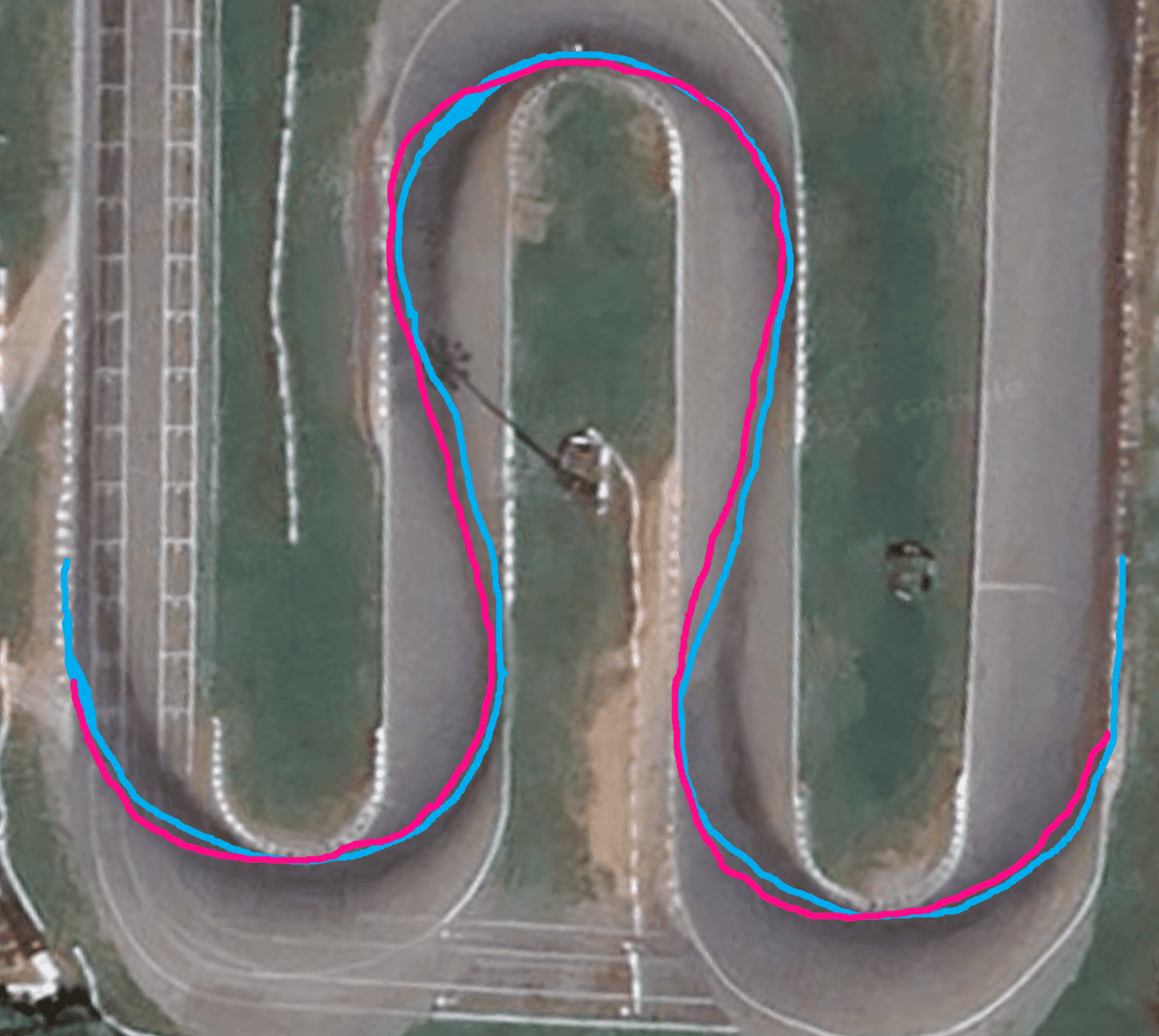
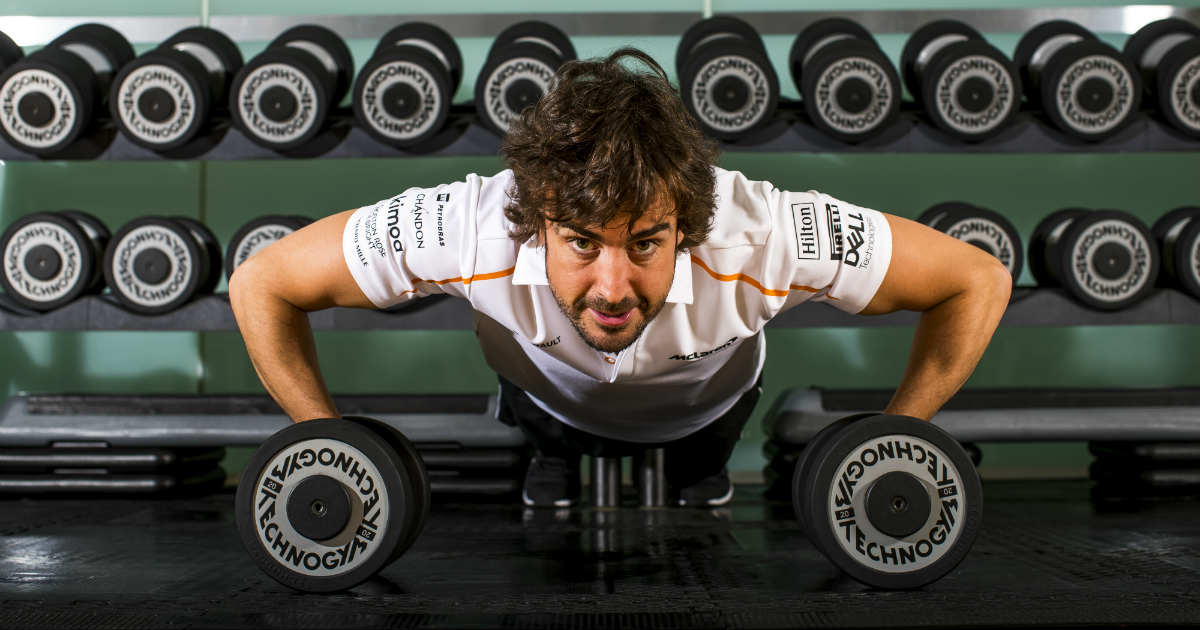
I’d say, by far the number one sport and easiest one to do, basically for anyone, is simply running. You can just do running on, you know, on circles, just running on the track, or you can even do reps. For example, you can find a hill, like uphill, and try to go up and down. So like sprinting up fast, uphill, then going slowly down, sprinting up. But you know, that’s one of those exercises I like to do, because I want to do internal training. I think that’s one of the best types of exercises I like to do. So now I’m doing it like two or three times on a weekly basis. Then I do in the summertime, and also in the spring, I do two or three times a week. I do cycling. So I alternate cycling and running. It’s, it’s really nice here in Lake Gary. I’m I live 25 minutes away from Lonato, which is quite nice, and I go to nearby mountains, which is good, and I just go cycling on those mountains, and I go up and down, up and down, up and down, you know, I I’ll be spending what, like one hour and a half a day of cycling. Try not to go into the traffic, which is always quite dangerous, you know, when you’re road cycling. Because I prefer road cycling, not mountain biking, you know? And so, yeah, I mean, I just do that. But then besides that, I also like to add some swimming, like, once a week. It’s good because it’s a whole body exercise, and it’s good because it trains you to stay in kind of apnea mode when you’re like swimming and trying to hold the breath. So it’s good. Because Because of that, I feel that it’s good and also it helps me to train my my rib cage, my abs and as well as my my forearms, which I obviously use quite a lot when I drive a shift.
How does endurance affect mental focus?
I feel that endurance training strictly affects mental focus and mental strength. Why? Well, think about it. I mean, when you are going through a one and a half or two hours of cycling, you are essentially enduring pain. And you know, dealing with pain and enduring pain is not something that anybody is familiar with, and I just feel like, honestly, it’s something that is going to shape you and strengthen you, not only physically, because, of course, your heart, it’s going to become more resilient. Your legs are going to become more resilient. Your whole respiratory system is going to become more resilient. But overall, I think you as a person, mentally, you’re going to be more resilient, because it’s one thing to spend an hour in the gym, but actually doing what like 15 minutes of exercises and the rest is just like resting. And another thing is doing a full hour of cycling or a full hour of running, where you’re basically going to tell yourself that you’re not going to stop, that you’re not going to quit. And I think that is just the best. And I think it’s even better to just go outside and and run around town or around a forest or around the mountain instead of actually staying on a treadmill, because on a treadmill, then you’re going to be tempted on, you know. Uh, watching your phone or stuff like that. But I think it’s great to actually go outdoors and take some sunlight and just pushing yourself, because once you know that you have to go, like, you know, half an hour further out in in town, then you know that you have to get back with your feet, you know, and so you need to do the half an hour back, and nobody’s going to come and save you. So I also like to go without my phone. I mean, I’m not suggesting you to do that. I mean, I was 27 years old, and I totally responsible for myself if you’re a kid, I would. I mean, at least sell an adult where you are going. But you know, maybe it would be better for you to keep a phone in case of emergency, but yeah, I just like going literally without my phone, and knowing that wherever I go, I still have to come back later on. So I I know that I cannot quit, and that it’s very good for your mindset, because you know that it just strengthens you. And even if you feel like halfway through, you’re feeling like, oh, I started to feel like, quite tired, and I start to feel like I cannot make it. But then you will eventually make it, because you know your limits are mostly mental, and therefore you can break those mental limits by simply pushing yourself from from the
can endurance training actually prevent mistakes on track?
Of course, of course, of course, of course. I mean, this is exactly why I push my drivers at bay brace to come running with me on track every single evening after the last session. Because, you know, once they are able to to be fitter, you know, once they have better endurance, not only they will, you know, just be overall feeling better and just feel lighter and feel, you know, better with themselves, but also they will make less mistakes, because they will save up energy from their
physical exercise. Because, of course, once you’re doing an exercise for a long time and you are familiar with that, it’s gonna feel easy to you, whereas for someone who has never done that exercise, it’s gonna feel hard for them. And so you know, they may not be able to talk, they may not be able to do anything else, because they they are so focused on that exercise that they feel like, oh, that’s the only thing that they can focus on right now. And they’re almost like, gonna pass away if they try to do something else. So if you are instead very fit, you can have a lot more energy left to allocate to your mental capacity. And so I’m sure you’re gonna take better decisions, have better reaction times, just do less mistakes. Believe me, it’s gonna be a game changer, and that’s why I’m pushing my drivers, and I’ve noticed massive differences already since when they started, as well as you know, they got fitter, they got slimmer, less weight they had, of course, so we had to add it on the kart and but it was great news, because we could add the weight exactly where we wanted to add it, nice and low to reduce The sensor of gravity, which also obviously improve the performances. So, yeah, they not only got faster because they got fitter, but they also got faster because they got lighter. So we could place the weights strategically. I mean, as in Formula One, do you know they have a minimum limit the teams that the drivers need to follow, and so that then they can place their the weights exactly where they want in order to be more competitive.
What are the major mistakes drivers do on track when they have not enough endurance fitness,
they will typically start to, you know, miss the breaking points. They will start to turn early into the corners. They will start to lean inside with their head quite a lot. You know, normally when your neck is going in a way, it’s getting tired, you’re starting to carry a bit less speed into the corners, because you feel like your your head is about to fall off almost, you know, so it’s, it’s, yeah, not, not good. Obviously, when you have that kind of feeling, you you should stop. You should not get to that point. But of course, when you are feeling tired, you’re going to have lots of signals, but, yeah, it’s going to reflect on your driver, and you’re going to start to be very abrupt and dirty on the steering wheel, because you will not be able to control the steering very well. I think that is the number one mistake. You start to notice when drivers are not fit and they start to get tired. They, you know, maybe by the third session or fourth session, they start to, you know, not be able to stay just consistent. They make a lot of mistakes in their lap times. But also the smoothness of their steering wheel is not good at all. I mean, it’s, it’s just not, not smooth enough. And they start to be just, yeah, overly dirty with the steering, and that’s never, never a good thing. So now that you finally know how important endurance training is for your racing performance, it’s time for you to get your ass out of here, literally put a pair of running shoes and start running, as FORSCOM would say, so you. Have to just get out, start running, come back, you know, an hour or so in a safe way. Of course, you need to know where you’re going, and then just come back and tomorrow, do it again. You know, take a shower tomorrow. Do it again. Take a shower, and tomorrow you do it again. And you try to really set yourself a target to run every single day, or, you know, cycle every single day, or swim every single day. I mean, depending on what you want to to do in terms of resistance training. I mean, as I said, running, I believe it’s the easiest. And what you can easily do basically at the race track, by just getting on the track and starting to run and actually visualizing and and, yeah, just doing some track runs, basically, what which I like to do, and I like my driver to do. So it’s just the easiest, honestly, because, you know, finding a swimming pool to go and swimming is not the easiest things. You know, getting your bicycle and waiting for a proper place to go, you know, and you know, not get yourself in traffic. It’s not ideal. So of course, yes, you can do many other sports. You can do paddle, you can do tennis, but I think it’s quite obvious that running as the least amount of friction, so you can literally get started right away and have no excuses. So I hope this guide was helpful. If you want to get many, many more secrets like this, then join the six months training program. I’ve got limited spots available. You can access 600 plus karting related pre recorded lessons, as well as joining our weekly zoom meetups with other drivers that are as committed as you. Otherwise, if you’re in for a quick fix, you can just sign up for the onboard video analysis coaching.
I will just receive the video from you, and I will analyze back the videos and send it back to you with a proper revision, with all the tips and tricks to go faster in that specific track that you have sent me the video from. So I hope this was helpful. Remember to just send it and I’ll see in the next guide. Ciao.