The Driver-Mechanic Relationship (And Why It Wins Races)
My mechanic was the number one reason for my karting success. Here is how to build that relationship, and the sweet spot most drivers get badly wrong.

- The mechanic relationship was the single biggest reason for my own karting success
- A good mechanic translates raw driver feedback into actual setup changes, and doubles as your mental coach
- There is a sweet spot: too little connection kills communication, too much playfulness kills authority
- When drivers get too casual with their mechanic, we almost always see results drop
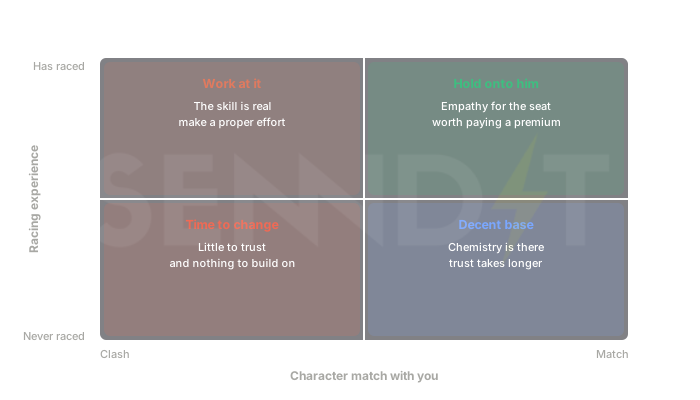
- A mechanic who has raced himself is worth paying a premium for, because he has real empathy for the seat
- Sometimes the characters simply do not match, try properly first, then change
- Why the mechanic is your biggest ally
- More than a setup man
- The sweet spot: connection without losing authority
- How to actually build the relationship
- Why an ex-racer mechanic is worth a premium
- What to do when it doesn’t click
- The proof: two mechanics, two very different results
- Frequently asked questions
How much does your mechanic actually affect your lap time?
I remember when I used to race full time back in the days in karting, the relationship with my mechanic was just super strong, and it was probably the number one reason for my success in karting.
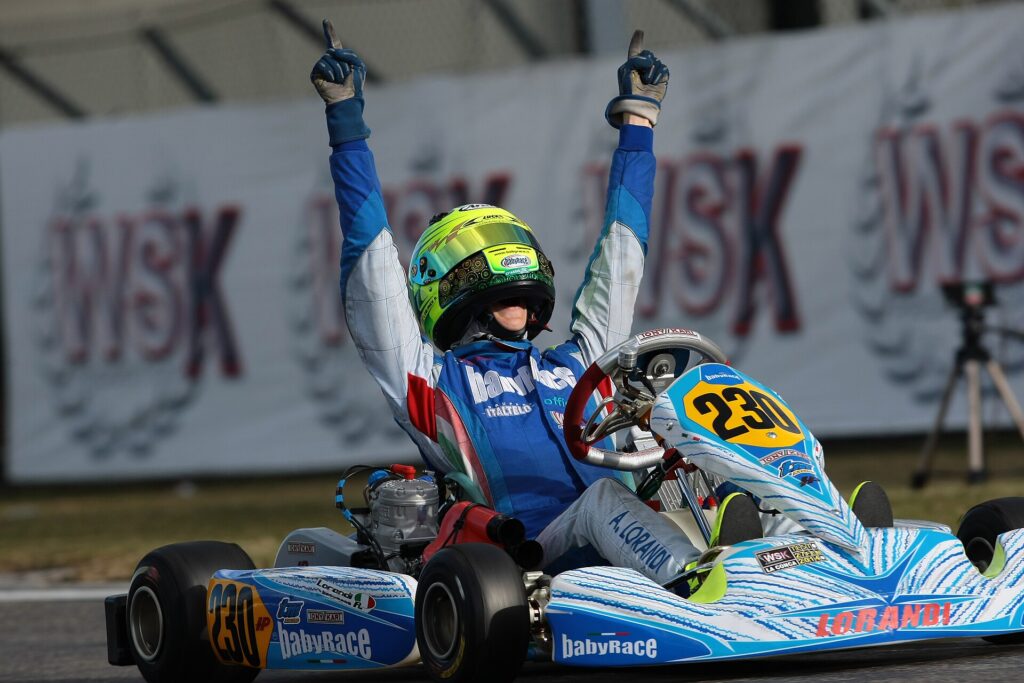
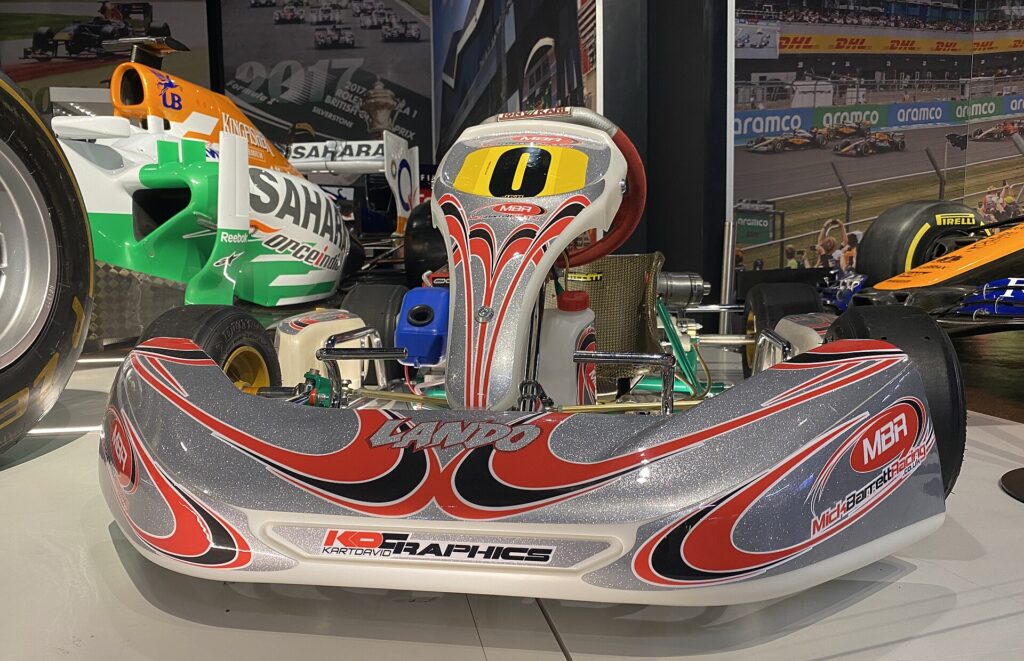
And yeah, while I didn’t get the chance to get to Formula 1, I still managed to beat Lando Norris 18 times against seven in our 25 head-to-head races. I say this not to brag, but to actually give you the proof that what I learned was real.
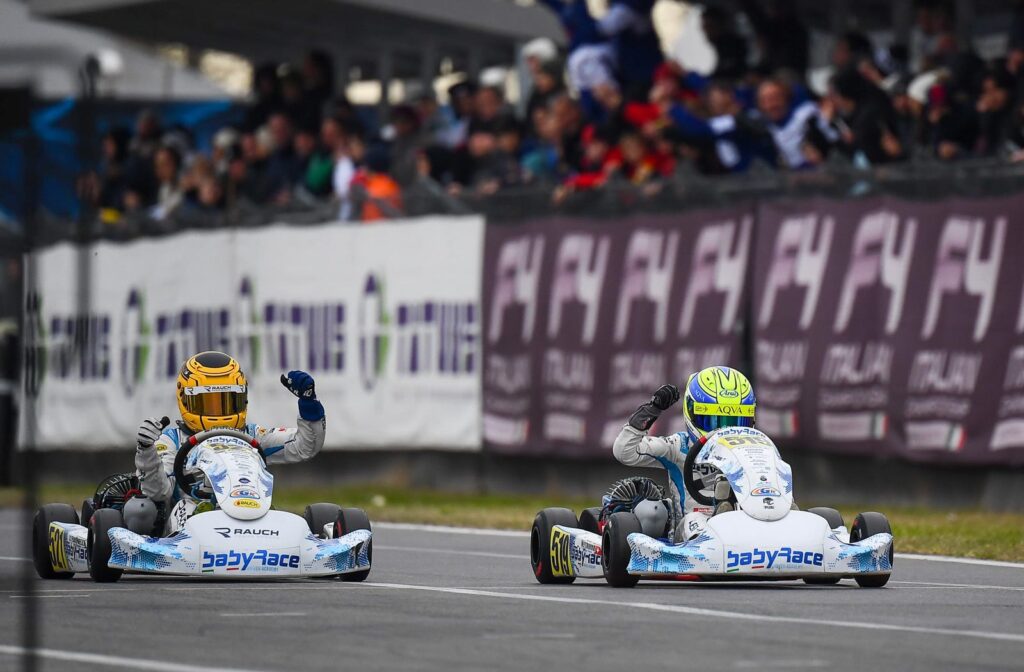
I applied it, and I still apply it nowadays with our team at Babyrace. Our drivers are being taught the lesson and the value of literally building a strong relationship with their mechanic.
Why the mechanic is your biggest ally
Because at the end of the day, the mechanic you have is going to be your biggest ally.
Let’s say you’re going to war, and you’re going to war with your mechanic. He’s going to be there for you.
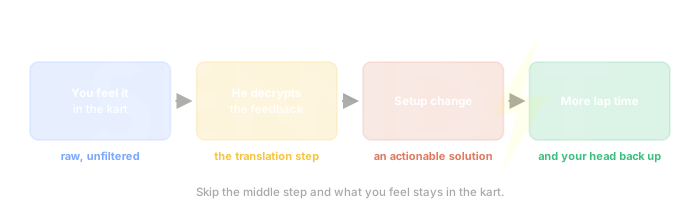
He’s going to be there to support you. He’s going to be there to pick up the feedback from your sessions, and he’s going to try to decrypt and translate your maybe raw feedback into actionable setup solutions, so that you can find more lap time.
More than a setup man
But the mechanic is not just going to be your setup man.
It’s also going to be your psychologist, most of the time. He’s going to be there to motivate you. Your mental coach is going to be there to back you up when you’re down, because maybe you just had a bad race, because you made some mistakes, or you had a bad session, or you feel like you have no pace.
So I really believe that the driver-mechanic relationship is such an important aspect that gets forgotten.
It’s really about making sure that you are building a strong connection and chemistry with your mechanic. Sometimes you should go and have dinner together with your mechanic. Sometimes you should just go to the bar and grab yourself a sports drink like a Gatorade, or maybe just grab yourself an ice cream, even though I’m not a big fan of those, in order to keep fit.
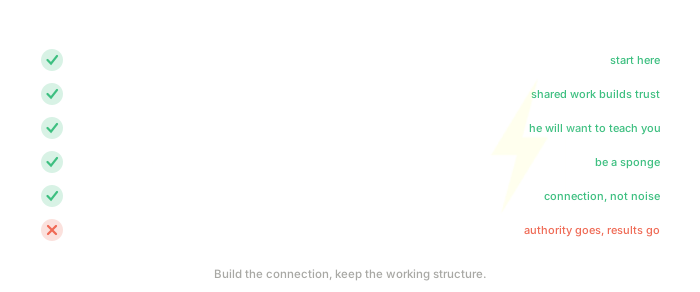
The sweet spot: connection without losing authority
But it doesn’t have to become too much of a playful and friendly scenario, because then it also isn’t good.
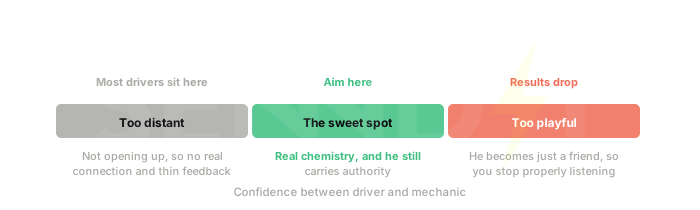
I feel like there is a sweet spot where there’s the right amount of confidence level between the driver and the mechanic. If there’s not enough confidence, then there’s not enough connection.
But if there’s way too much confidence and way too much playfulness, then it actually starts to become almost like no authority. And the driver is going to start to abuse this extra confidence level.
Then the driver is not going to actually benefit from it. Actually it’s going to hurt him, because he’s going to be less focused and he’s not going to even fear the mechanic.
I’m not saying that the driver has to fear the mechanic or be afraid of him. But he also doesn’t want to be at the opposite extreme, where he’s playing with him too much and being too friendly.
I see it with our drivers. It’s a big risk when drivers start to be too playful and pick up too much confidence with their own mechanic, we almost always see results drop. The driver stops treating the mechanic like an authority and starts treating him just like a friend. Then when they need to listen, they say “yeah, whatever” and forget what was said.
So it’s not about the more connection the better. No, I feel like there has to be the right amount.
Of course, most drivers have the opposite issue, which is not opening up and not building any sort of connection and relationship with their mechanic. So that’s obviously not good either. But again, the opposite is also dangerous.
It’s the same balance that shows up in the driver-parents relationship, support without losing the working structure.
How to actually build the relationship
It’s really important to have a real good trade-off. That’s something I’ve said multiple times, but it’s the key part.
I really would like you to spend more time with your mechanic. Clean the kart together with your mechanic. Try to learn about the setup from your mechanic. Try to spend time next to your kart.
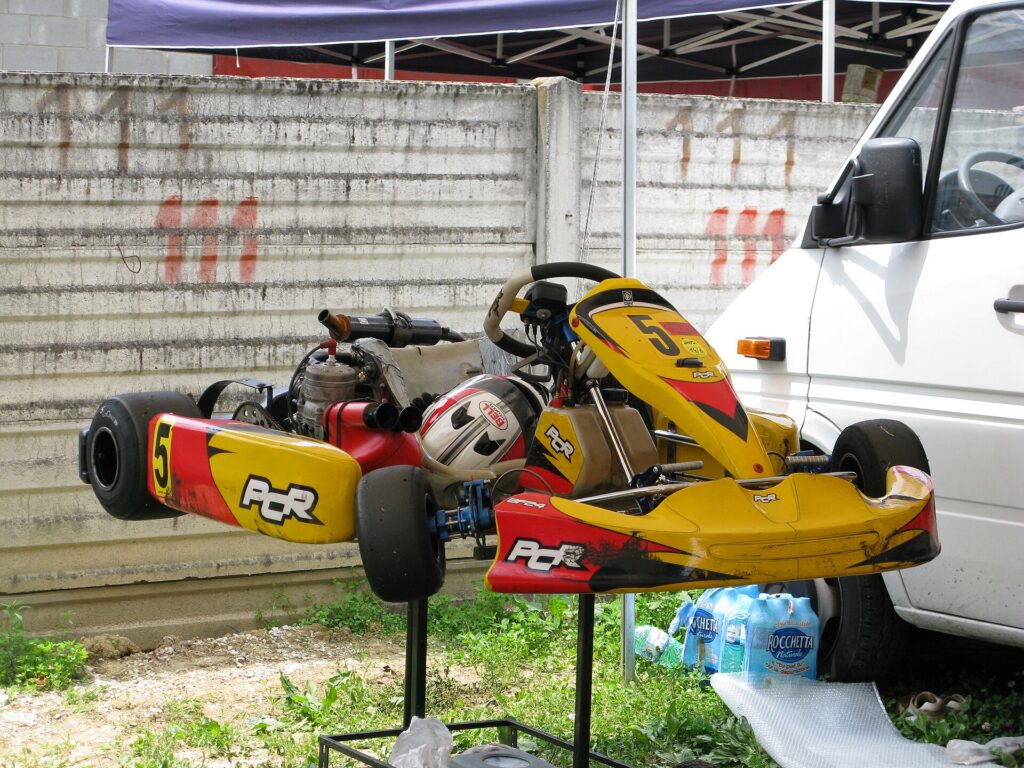
Anytime you have something that you don’t really know, try to ask your mechanic. And I’m pretty sure he’s going to be very happy to help you and teach you.
You’ve got to be like a sponge and absorb everything that’s being told to you. And then even remember what is being told to you, and also apply that on track.
Why an ex-racer mechanic is worth a premium
Of course, the goal is to have a highly skilled mechanic, which has lots of experience and skills. If you have a mechanic that’s not very skilled and not very experienced, it kind of always becomes a negative experience, and you can’t really trust him too much.
So you always have to hope and expect and request from a team to get a highly experienced mechanic, that has ideally been driving himself. That is normally a really extra advantage.
When you have a mechanic that has been driving himself, that is always something very, very useful. Because he can really know what it feels like from the point of view of a racing driver getting inside the kart. Having lots of anxiety, thinking about the race, having lots of potential distractions, and parents around you being a little bit too pushy and anxious.
It’s important to have a mechanic that has been in the driver’s seat, or even occasionally still is, so that he has the right empathy and can put himself in his driver’s shoes. That’s the reason why at Babyrace we always pay a premium on mechanics who have raced themselves. They’re not easy to find, but when you find one, hold onto them.
What to do when it doesn’t click
Of course, sometimes the driver-mechanic relationship doesn’t work. Sometimes the driver and the mechanic are just not a good fit.
Since you’re the driver, yes, you can try to change yourself and try to change your approach. But if that still doesn’t work, sometimes it just doesn’t click. Sometimes two characters are too different from each other.
The proof: two mechanics, two very different results
And it’s happened to me. I was last year in Franciacorta for the KZ1, before the world championship. There was a Champions of the Future race as a preparation race, and that was my first race with that mechanic.
My old mechanic, who used to race with me all the time, is now retired, so I couldn’t go to him and say, hey Piero, let’s go and have a race again after 10 years.
So of course I had to pick a different mechanic. And I could sense it was not the same as when I used to race with my historical mechanic, where we literally matched.
We could read ourselves in our brain, with telepathy, in a way. Just with a look on our face we could understand each other. We didn’t even have to talk, and we could read the track and the conditions and the setup in the same way.
That was very useful, because we didn’t fight too much about the setup. We always kind of agreed. And he could also give me good setup and driving advice all the time. When he felt like I was not pushing enough, he would tell me. When he felt I was pushing too much, he would tell me.
So when I drove with this mechanic in Franciacorta last year, I wasn’t very happy. We didn’t really have a matching character. And so I had to make the decision to change the mechanic for the upcoming race, for the world championship.
I switched to a mechanic which I knew from our team at Babyrace. And even though that was our very first race together, I was just very pleased, and we did a really good job.
We were the quickest all week. We almost got pole position, we finished P2 in the world championship, and we set the fastest lap in every single heat. We got P2 in the heat, we got P2 in the super heat. And if it wasn’t for a heat where I got crashed out at the start, I would have started probably on the first row in the final. Instead I started fifth, and then unfortunately collected a crash in the first corner of lap one.
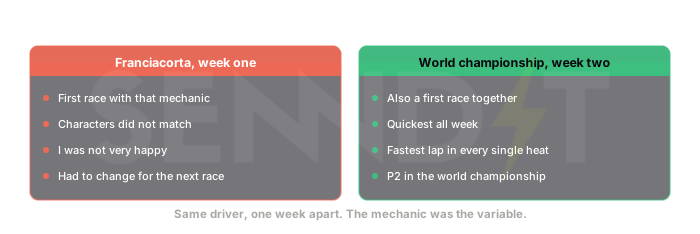
But I mean, it’s racing. And this just goes to prove that I found so much more pace compared to the previous week. I just had a way better experience, and I could almost feel the same as when I raced 10 years ago with my previous historical mechanic.
You guys have to be clicking. The two characters have to match, the ambitions, everything. A very ambitious driver with a mechanic who isn’t ambitious won’t match, and neither will the opposite. A really extrovert driver with a very introvert mechanic sometimes won’t match either. There are real psychological differences and personality traits that make it work or not.
Of course, you should always, as a driver, try to make a step towards the mechanic. Try to understand him. Try to collaborate with him, even though it’s not seeming like a perfect fit at the beginning.
And then, even if you try hard and it’s still not a good fit, then you should consider trying a different one. But until then you should always at least make a proper effort to build a strong connection and relationship with him.
So make sure next time you go out on track, you start building a strong relationship with your mechanic. Stay next to him. Put the chair literally next to your kart. And try to learn as much as you can from your mechanic.
You’ll see that with a strong connection and strong chemistry, when he makes signs to you on the track you will feel way more connected. And also with the setup feedback, you guys will almost feel like one. That’s what you need if you want to build a winning team.
Frequently asked questions
Why is the driver-mechanic relationship so important in karting?
Because the mechanic is the person who converts what you feel in the kart into actual setup changes. If he cannot read your feedback, the lap time stays on the table. He is also the person who picks you back up after a bad session, which matters more over a long weekend than most drivers admit.
Can you be too friendly with your mechanic?
Yes, and it is a genuine risk. When the relationship gets too casual the mechanic loses authority, the driver stops properly listening to instructions, and results drop. Aim for real trust and real chemistry, while keeping the working structure intact.
Should your kart mechanic have racing experience?
It is a significant advantage. A mechanic who has raced understands the anxiety, the distractions and the pressure of sitting in the kart, so he reads your feedback with real empathy. They are hard to find, which is exactly why teams pay a premium for them.
What should you do if you do not get along with your mechanic?
Make a genuine effort first, adjust your own approach, spend time next to the kart, ask questions, and try to meet him halfway. If it still does not click after real effort, the characters may simply not match, and changing mechanic is a legitimate performance decision rather than a personal one.
Send your onboard footage. Alessio reviews it corner-by-corner and tells you exactly what's costing you time, and how to fix it. Back within 48 hours.
Get My Onboard Reviewed → Reviewed personally by a CIK FIA World Champion, never an assistant.I promise I'll not spam you with repurposed shitty AI content but real experiences that only I, Alessio Lorandi, experienced. Written in my funny English-Italian tone of voice 😂
Alessio Lorandi is the former CIK FIA World Junior Champion, winning against Lando Norris in 2013 & F3 multiple race winner. He's helped 200+ karting drivers worldwide get faster & win WSK titles with BabyRace Driver Academy & now through Senndit, his online karting coaching platform.