Why Your Outlap Decides Your Qualifying And Your Race
The grip you have on a timed lap, and the position you hold on lap one, are both decided before either begins. How to build tire temperature on the…

- When you are free to push, pushing flat out warms tires far more than weaving, heat comes from load, not steering
- On a race formation lap you cannot push, so weaving and working the chassis is the right tool
- In qualifying, start pushing early: the outlap decides the grip you have on your one timed lap
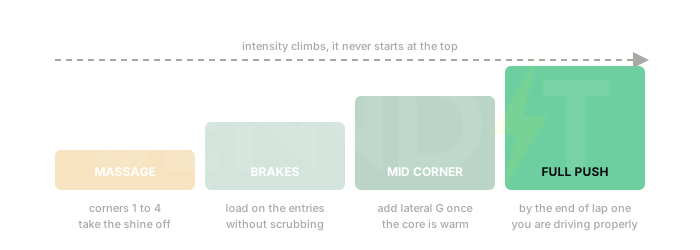
- On new soft tires, massage them for the first three or four corners before you commit
- Sliding cold soft tires causes graining and eats the peak you were saving for
- Push hard on the brakes, stay careful in the mid corner, then push again on exit
- If you are not tired at the end of a race outlap, your tires did not do enough work
Where does the grip on your qualifying lap actually come from?
You’re preparing yourself for qualifying and you know that you have only like three laps. So you have to make sure that the tire temperature on the final lap is good enough for you to have the highest amount of grip, to set the fastest lap, to get pole position.
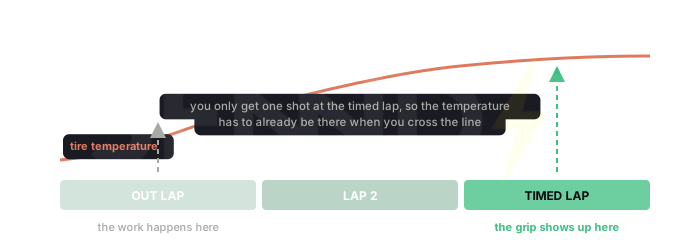
But how do you get to have the maximum grip level and the optimal tire temperature on the third lap? Where does that come from?
Why the outlap decides your lap time
Most of the time it comes from the outlap.
The outlap is fundamental, not only for qualifying, but also for the race. Because if you want to get a good start and attack in the first lap, or if you’re starting from P1 and you want to pull away in the first lap.
What Max Verstappen did at Lonato
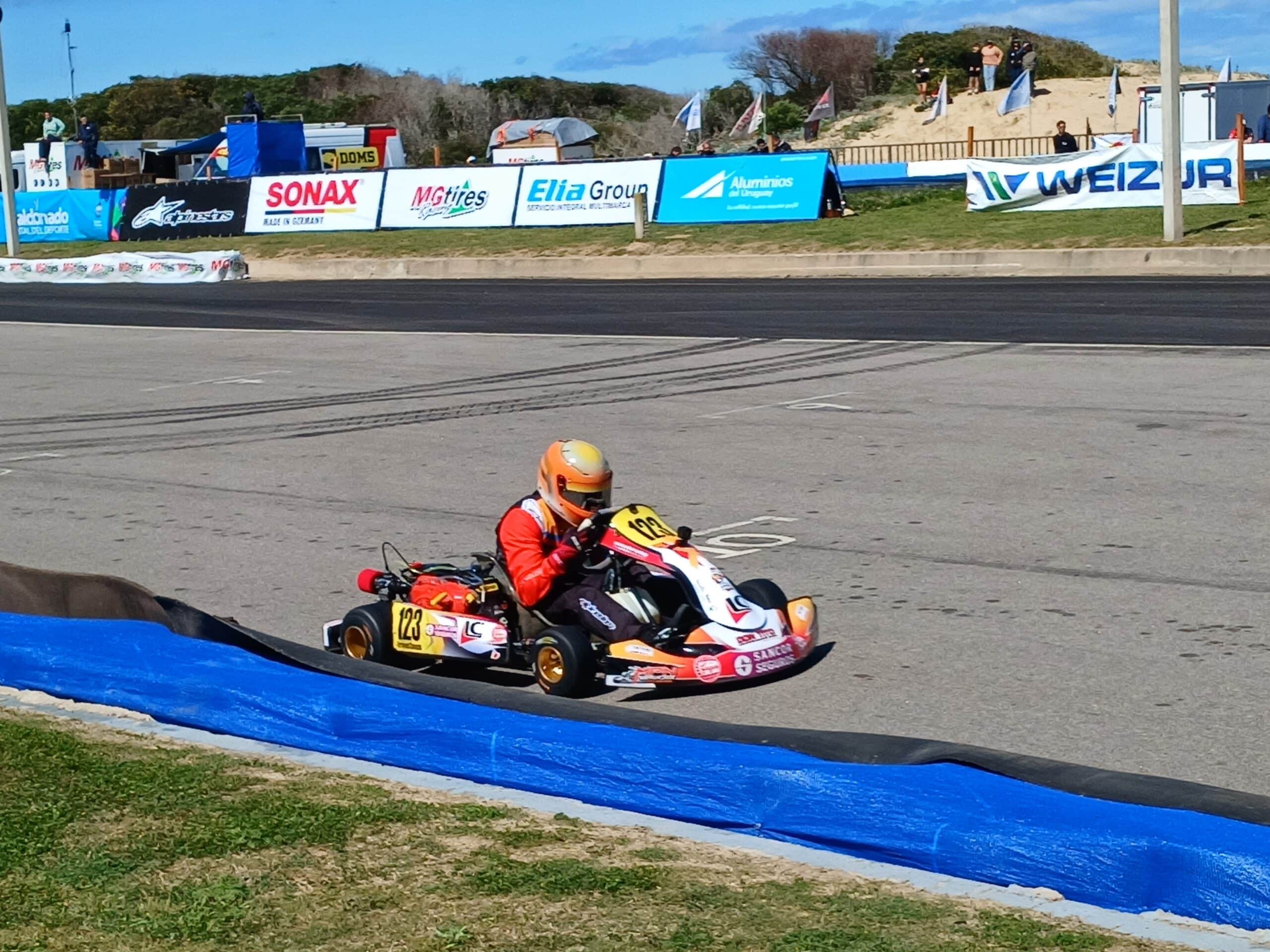
I remember Max Verstappen used to do that really well. I used to watch him from the grandstands at Lonato.
This guy would warm his tires so well in his outlap that he would pull away big time in the first lap. He would defend a bit into the first corner, then he would find a way to not have to defend, because he had already pulled a bit of a gap.
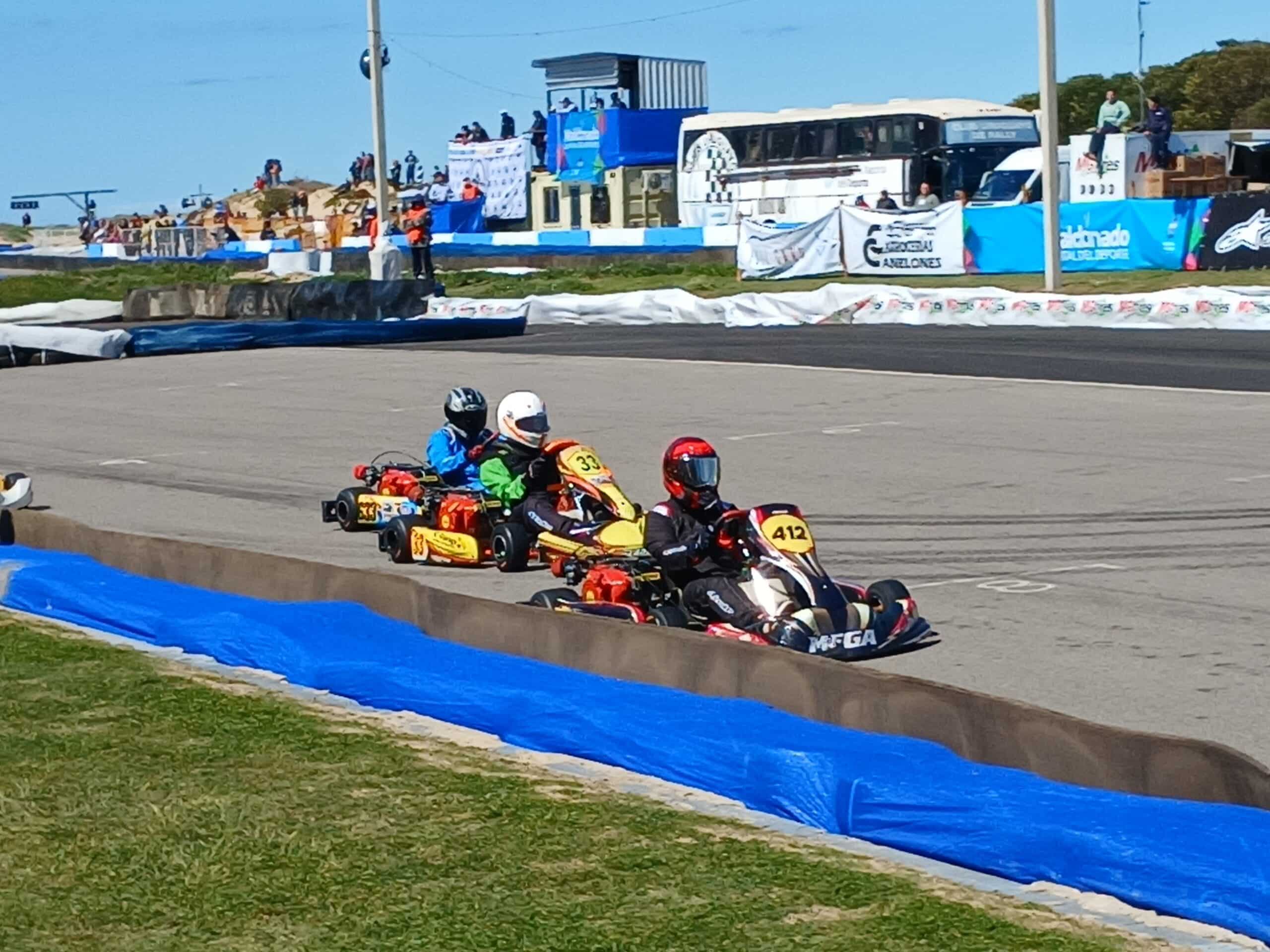
And then the race was basically ended for the drivers behind him, because they knew they couldn’t catch him anymore. He just opened up a gap lap by lap.
That was very impressive from him. But it all started from the outlap. If his outlap wasn’t strong enough, he wouldn’t have been able to have such a comfortable first lap and such a comfortable race.
I relate that to drivers today, and to myself. If your tires don’t have the optimal temperature on lap one, or in the first laps of the race, you will be vulnerable.
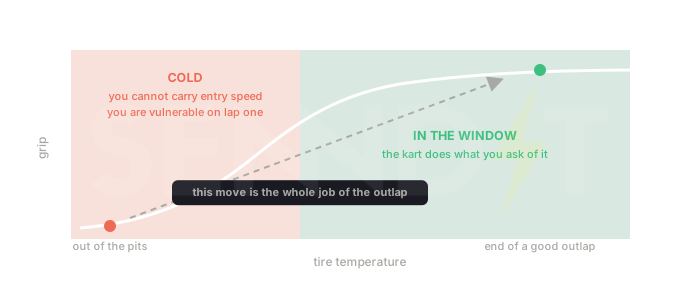
You will not be able to do whatever you want with your kart. You will not be able to carry the right amount of speed into the corners. And that in turn leaves you with worse lap times, potentially not being able to overtake, or even worse, getting overtaken by the drivers behind you.
Rolling starts vs standing starts
In Formula 1 the tires are very important, the rears especially, for a good start. But you’re going to struggle to get very good tire temperature on the first lap, because you start from a standing grid.
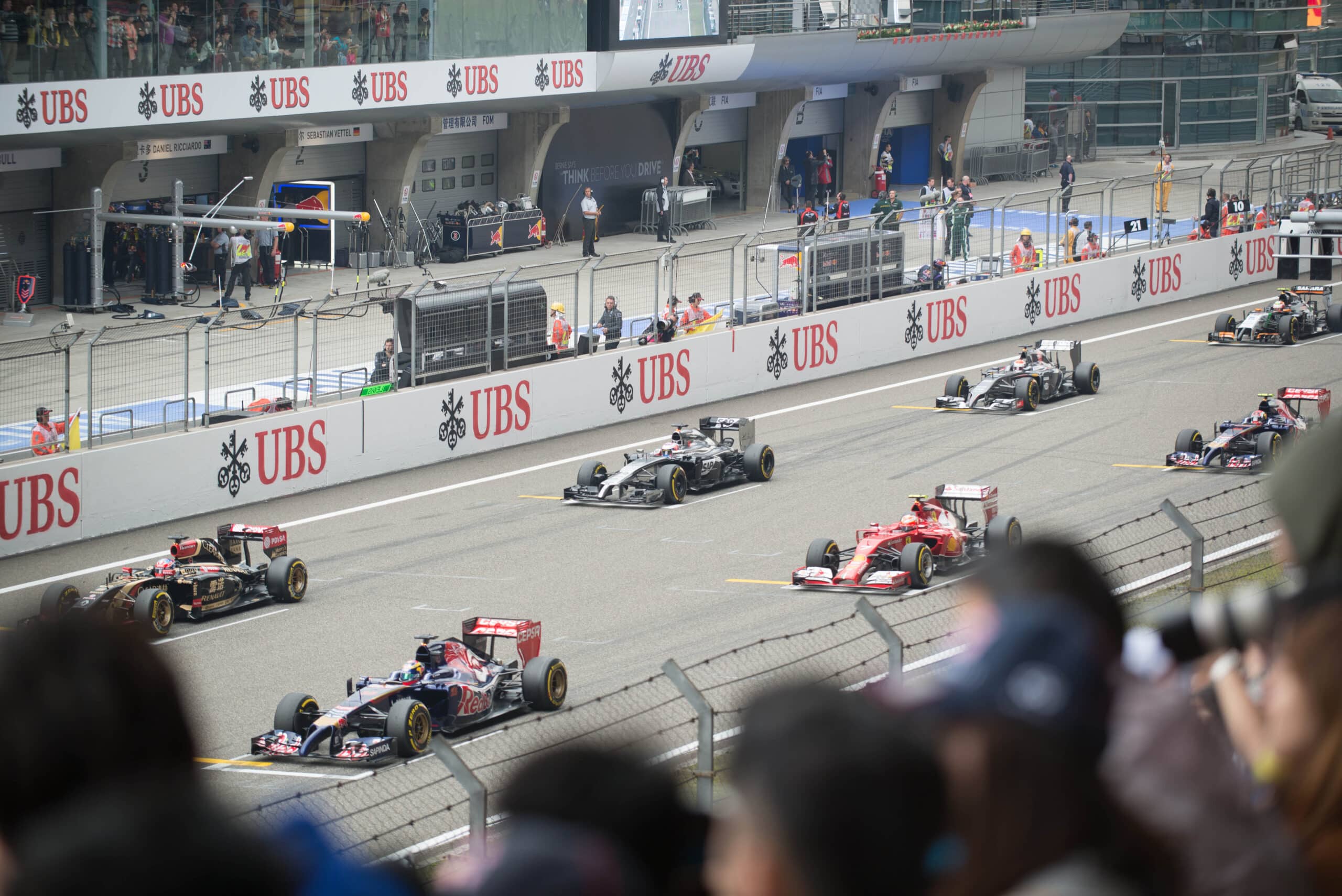
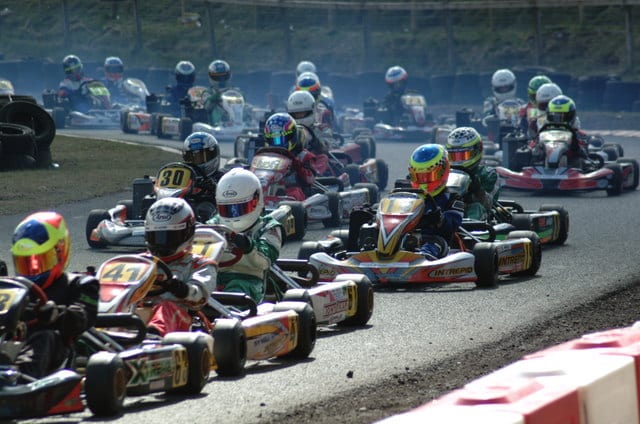
In karting you start from a rolling start in most cases, unless you’re driving a shifter kart. So in those cases it’s a bit easier to warm up the tires and get them up to temperature, especially in the race.
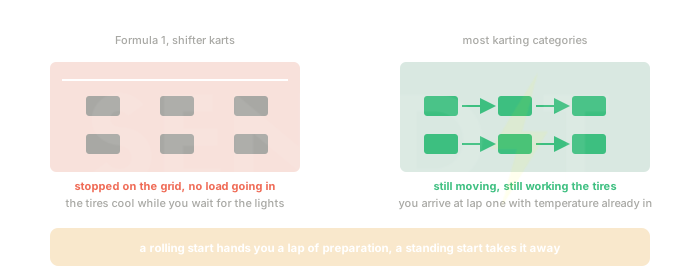
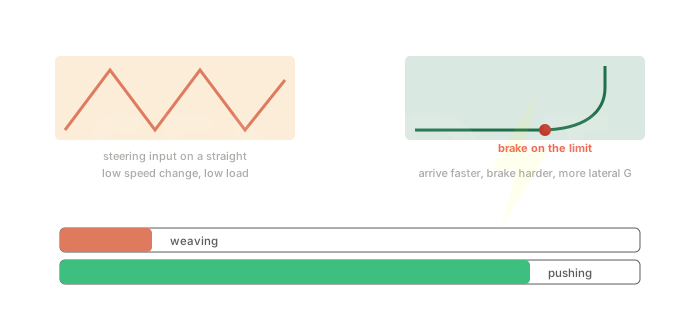
Because at the end of the day, in qualifying or in a practice session, you’re not really warming up the tires left and right. You’re just pushing right away. And by the act of pushing, you’re going to heat up the tires more than if you’re going side to side on the track.
Weaving vs pushing, when you can choose
I remember my engineer in Formula 3 used to ask me: Alessio, what do you think is going to warm up the tires more? Weaving left to right on the straights, or pushing flat out?
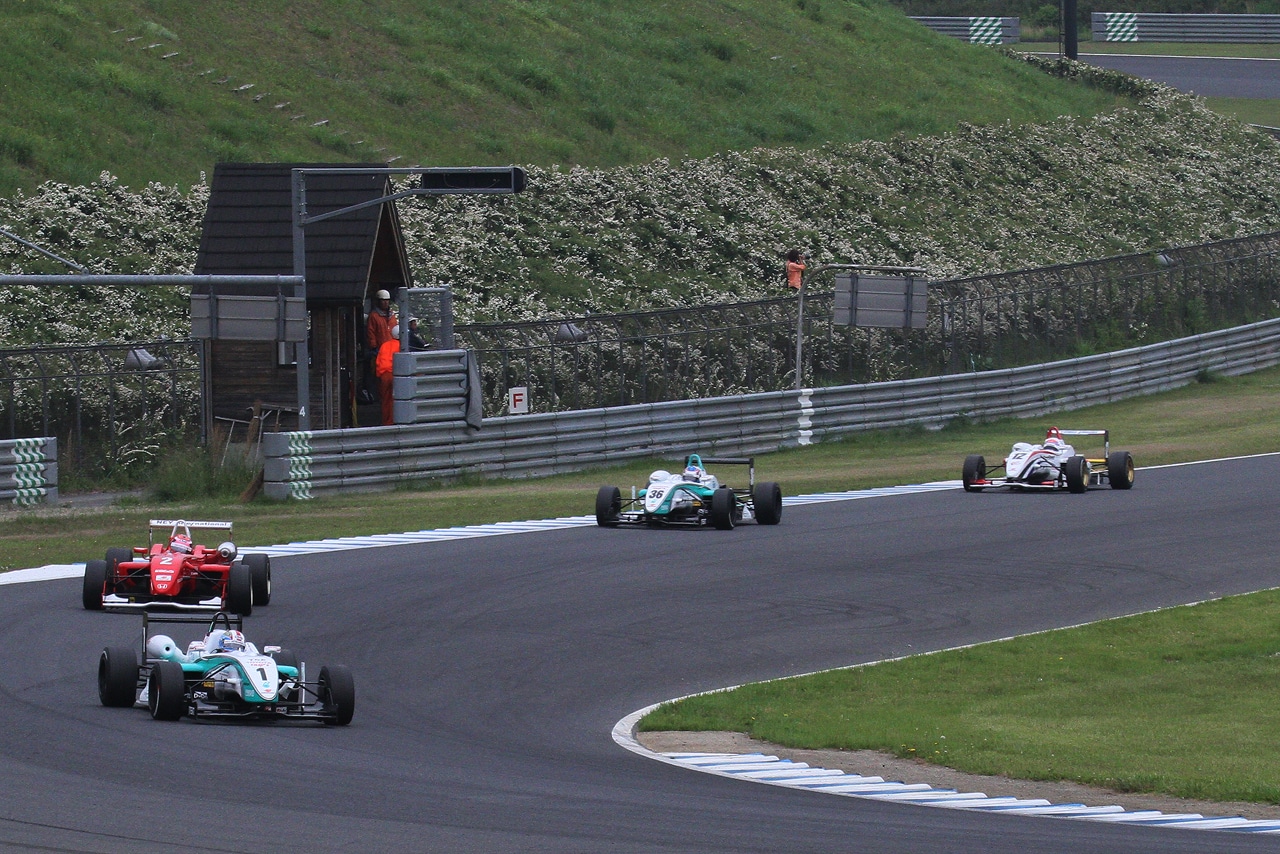
And I was like, oh, maybe weaving.
And he’s like: no. It’s pushing flat out.
When you push flat out and carry so much speed into the corners, you’re braking on the limit. That is when you generate the temperature you need. Go flat out on the straight and you arrive at the corner faster; because you arrive faster you brake harder to stop the kart, you generate more lateral G, and you warm the tires under braking and again through the mid corner. Weaving does almost none of that.
So when you can push in free practice, you push. That’s going to be way better than just warming up the tires.
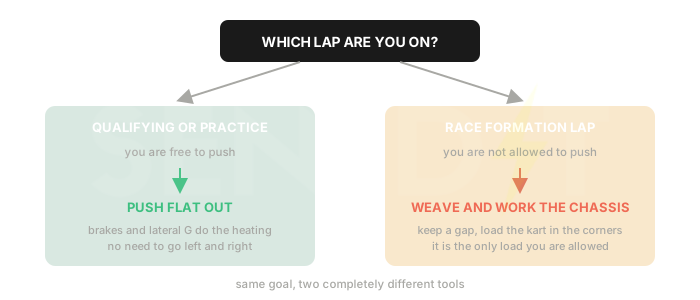
But note the condition: this only applies when you are free to push. In a race formation lap you cannot go flat out, so weaving and working the chassis is exactly the right tool, it is the only load you are allowed to generate. The choice between pushing and weaving depends entirely on which lap you are on, and that is covered further down.
The qualifying outlap
You have to make sure your outlaps are crazy fast. You just want to push if it’s qualifying.
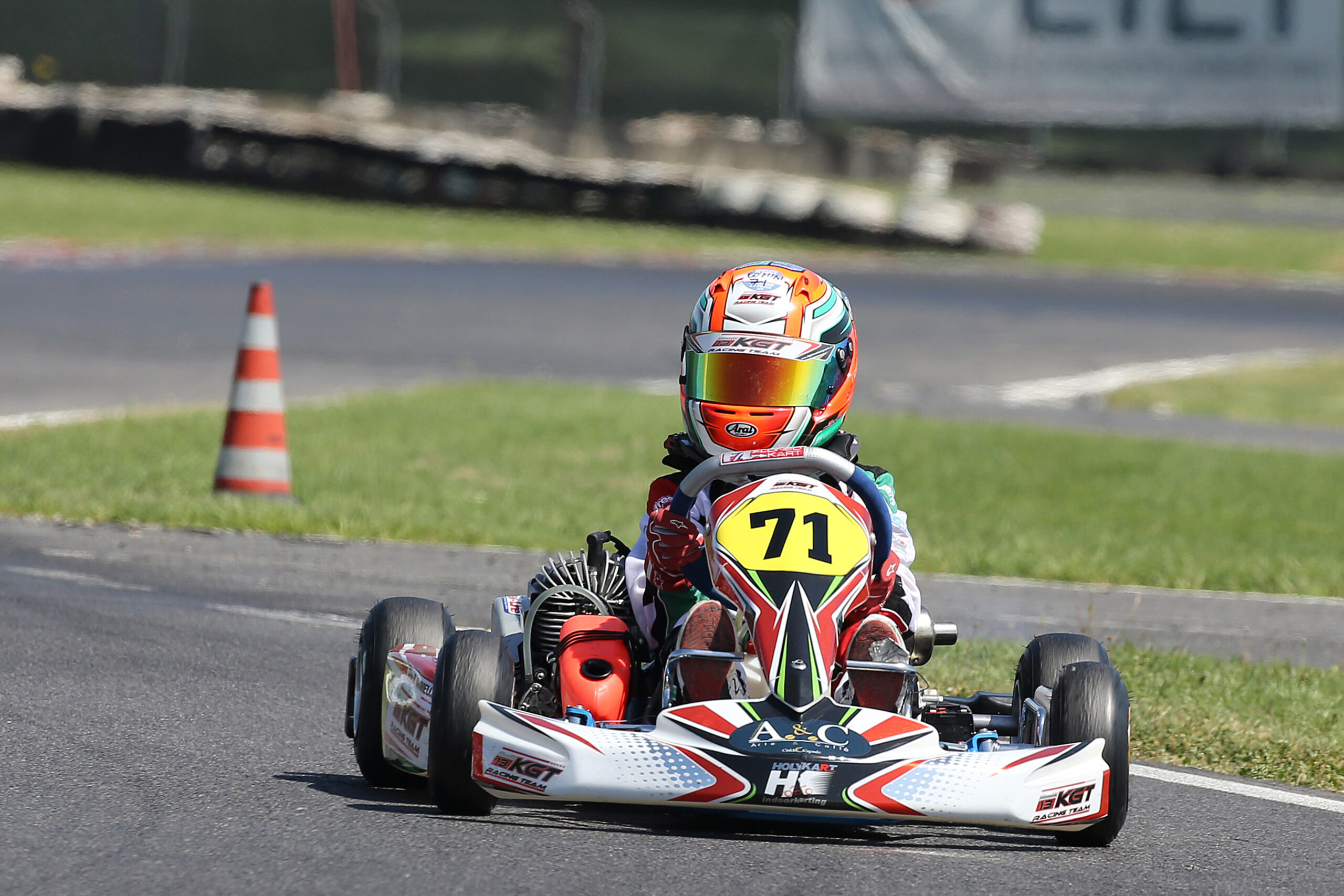
You’ve got to make sure you have the warmest tires on the grid at the end of the outlap. You almost have to see it in a gamified way, at the end of the outlap, who is going to have the warmest tires?
It would be awesome if we could actually run that experiment. You could tell which drivers warm the tires up the most and which didn’t, and then track their results in the next lap, lap time in qualifying, or overtakes made and lost in a race.
If it’s qualifying or free practice, remember there’s no need to go left and right. You want to start pushing as soon as possible. It is the same logic behind a new tire time attack, everything is in service of one lap.
Massaging new soft tires
Sometimes you want to do the first couple of corners kind of easy, just to remove the shine off the rubber. Sometimes it just doesn’t pay off to push too early when the rubber is fresh and the tire pressure is low.
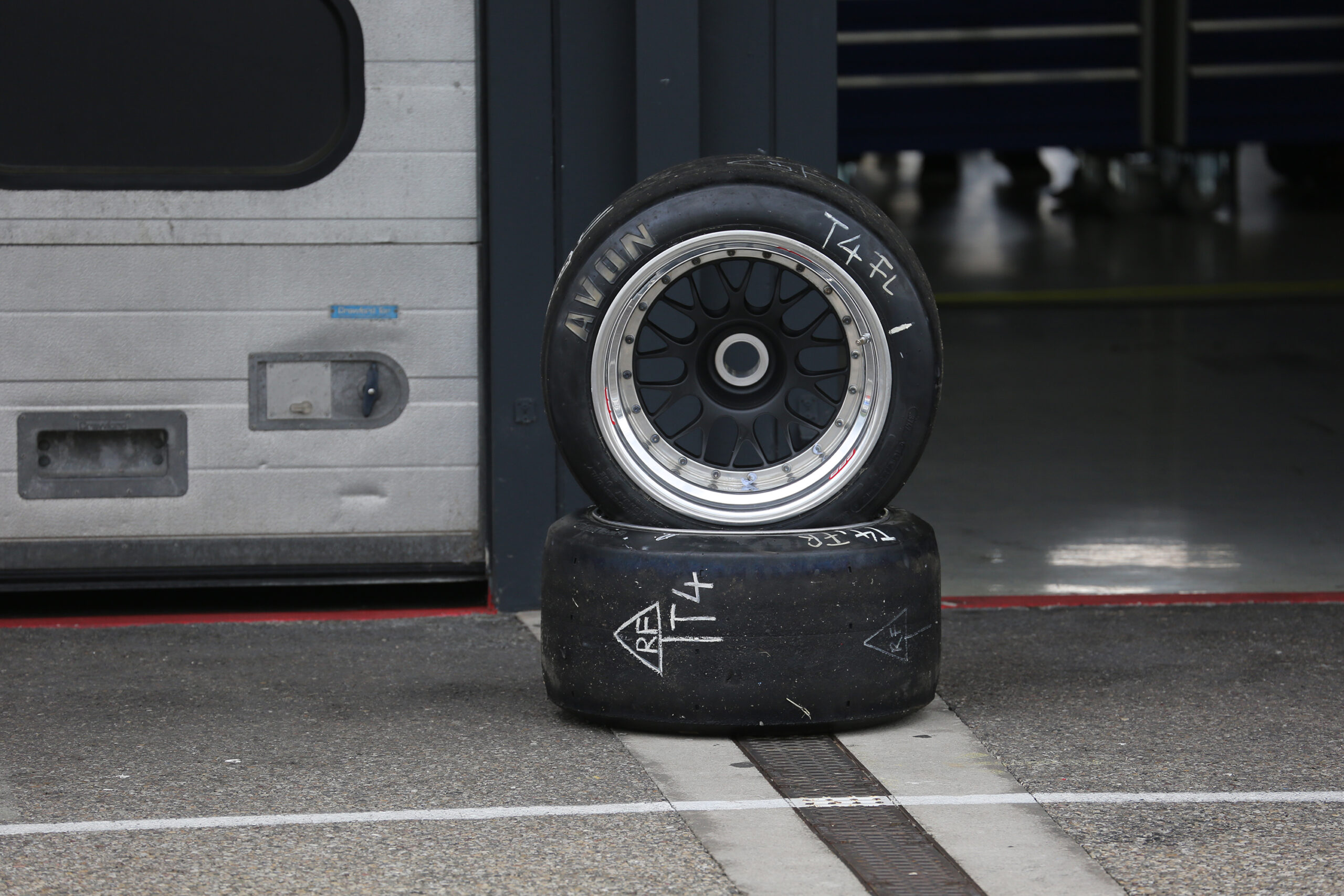
You want to massage your tires, as I like to call it. I massage them for the first three or four corners, and then once I get some internal temperature inside the tire, I start to push a bit more and generate some core temperature.
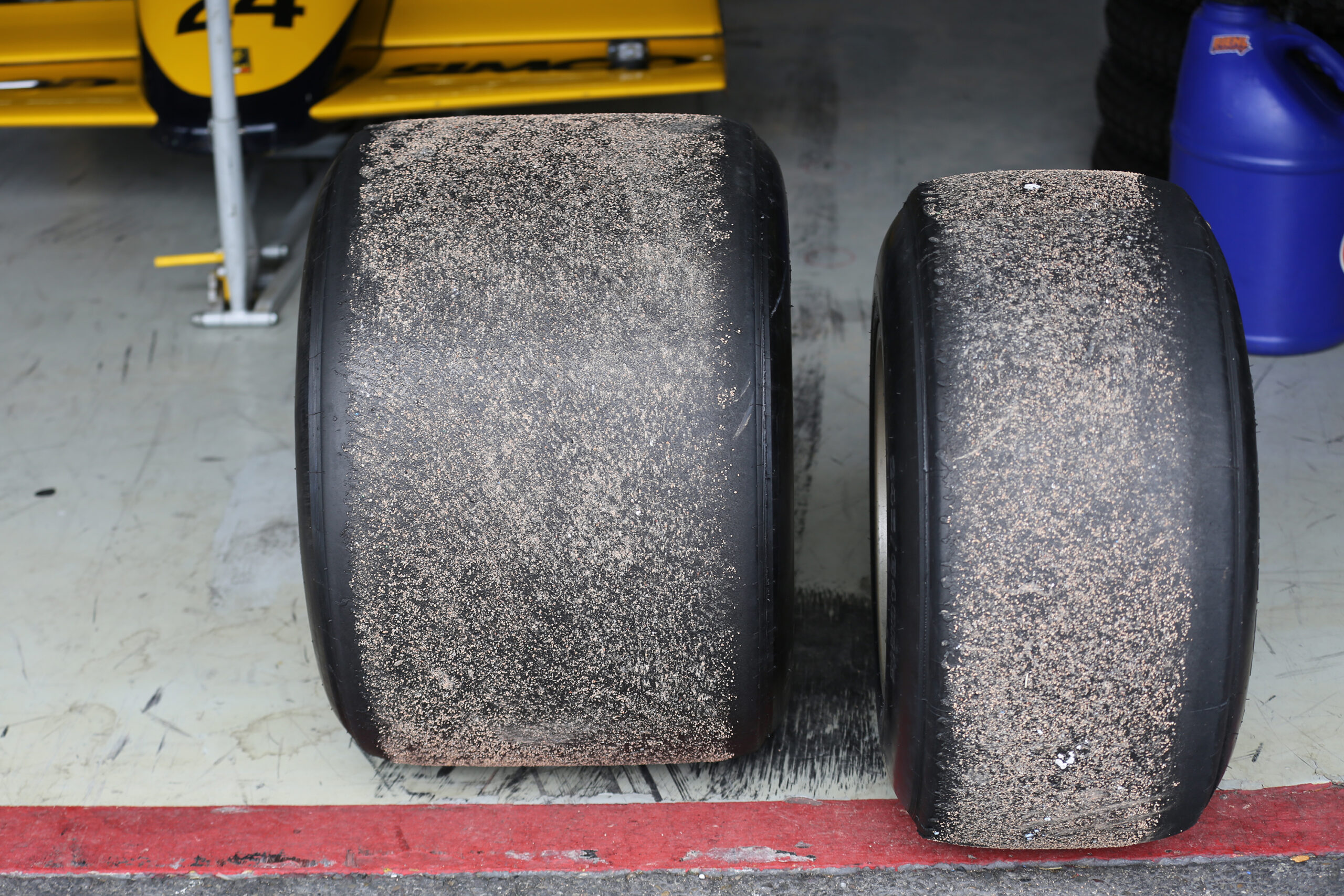
The thing I don’t want is to slide the tire, especially if they’re soft. Sliding soft tires while they’re still too cold creates graining, you’re eating away the good of the tire on an outlap where you didn’t need to. Their performance will be lower later on, exactly when you wanted it.
So you need to find a way to push without sliding too much. There’s a bit of an art in that. You push a lot on the brakes, because when you push on the brakes you’re loading the tires nicely without sliding them the way you would in the mid corner.
That’s one of the good ways: carry so much speed on the entries, then be more careful in the mid corner, and on the exit you can push again. Understanding the good and bad of sliding is what separates loading a tire from destroying it.
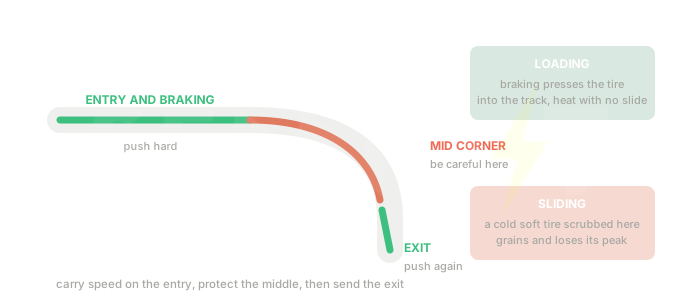
That’s what I like to do in the outlaps, especially with softer tires where I don’t want to abuse them and lose their peak afterwards. Massage them first, then push on the entries, then in the mid, then on the exit, so by the end of the first lap I’m pushing properly.
Of course, if I’m on used tires I just go for it. On new tires I’ll always massage them, especially if they’re soft. If they’re hard I don’t really care, I’m just going to send it and warm the tires up as much as I can, because especially in a short qualifying where I don’t have many laps, the goal is simply to get temperature into the tire.
The race outlap
If it’s a race, you’ve got to warm the tires up differently, because you can’t push, you have to go at a slower pace.
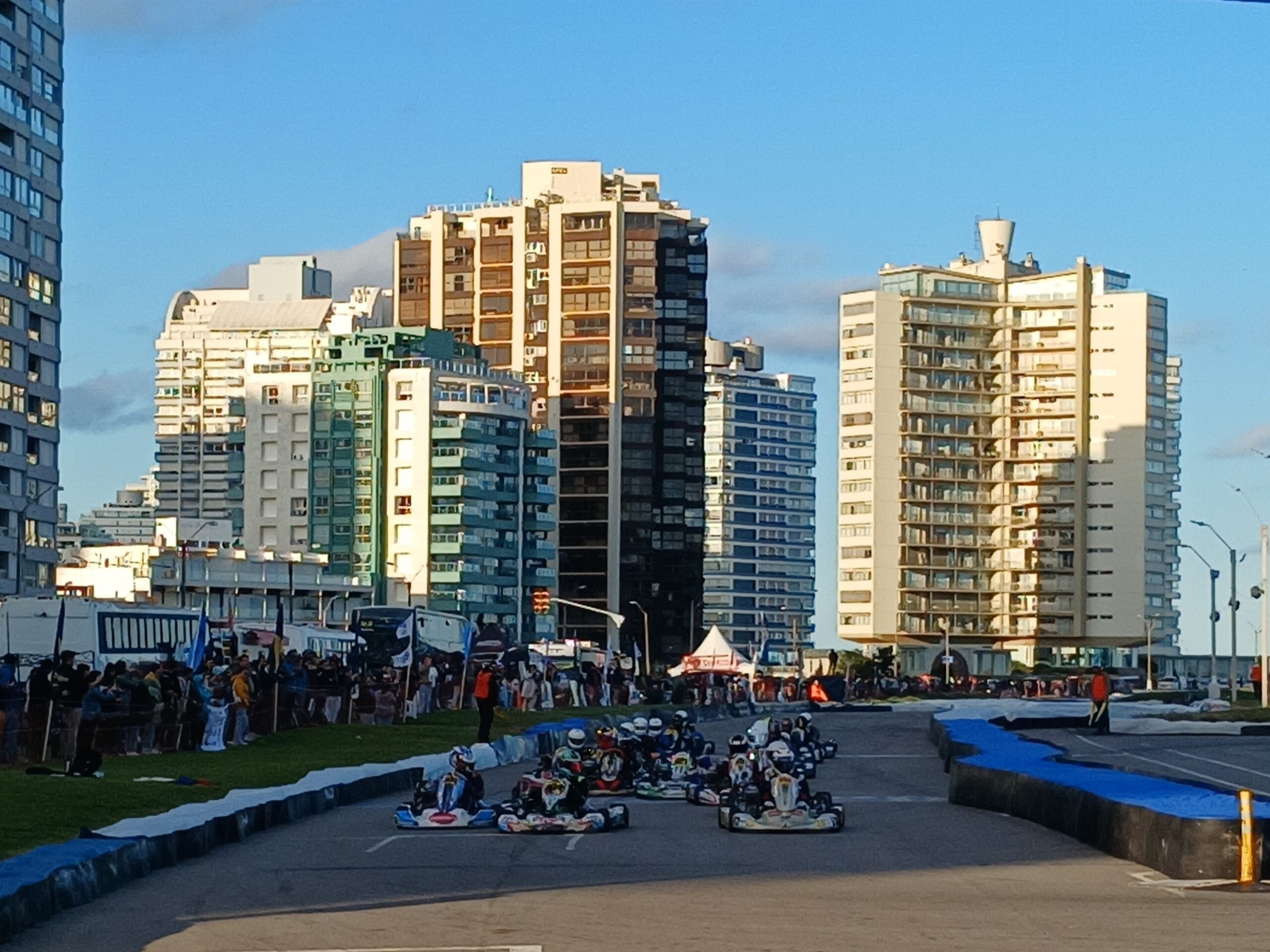
Try to always keep a gap to the drivers in front of you, and give yourself the freedom to work the tires. But then in the corners you still have to push.
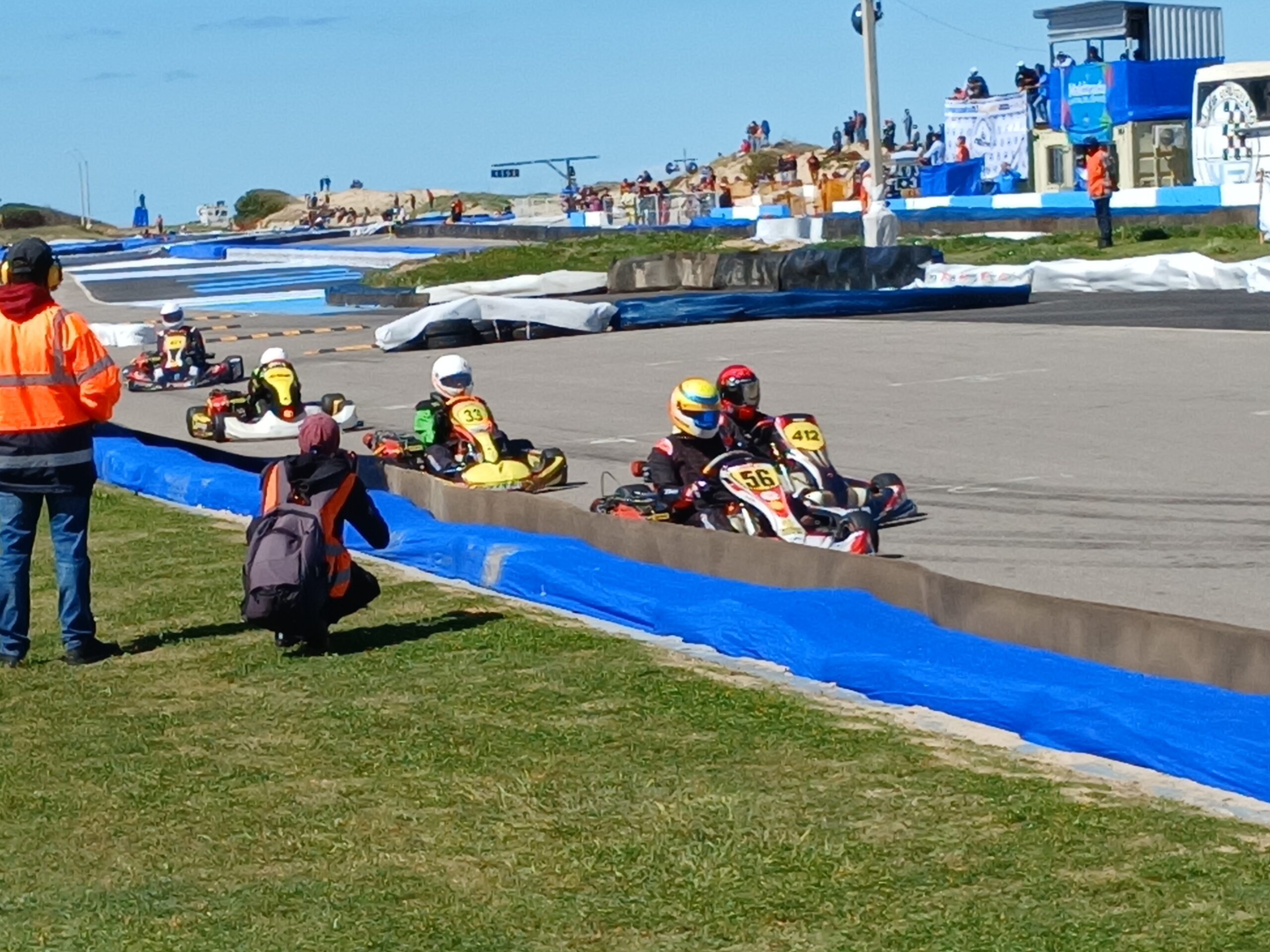
Try to put the kart on two wheels. Try to get the chassis to flex and load the tires like crazy. You want to feel tired at the end of the formation lap.
You want to be thinking: holy cow, I feel tired. If you feel tired, it probably means your tires did a lot of work, because you did a lot of work. And that’s good news going into lap one.
The chain is simple. Higher temperature gives more friction. More friction equals more grip. More grip equals more speed in the corners. More speed equals faster lap times, and hopefully a pole position and a trophy.
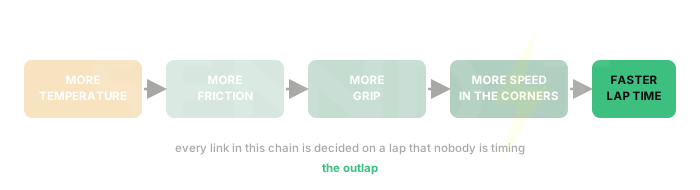
All of it is really the same skill as grip hunting, just applied to the one lap where nobody is watching the timing screen.
Frequently asked questions
Is it better to weave or to push on an outlap?
It depends on whether you are allowed to push. In qualifying or free practice you are, and pushing flat out warms the tires far more than weaving, because heat comes from load, hard braking and lateral G through corners, not from steering. On a race formation lap you cannot go flat out, so weaving and working the chassis becomes the right tool, since it is the only load available to you.
How should you drive an outlap in qualifying?
Push almost immediately. With only a few laps available, the outlap is what determines the grip on your timed lap. On new soft tires, take the first three or four corners gently to take the shine off the rubber, then build load progressively, hard on the brakes, careful in the mid corner, hard again on exit.
Why should you not slide cold soft tires?
Sliding a soft tire before it has core temperature causes graining, which permanently reduces the peak grip you were saving for the timed lap. You lose the very performance the outlap exists to protect. Load the tire through braking instead, where you heat it without sliding it.
How do you warm tires on a race outlap?
You cannot push in a formation lap, so create space to the kart ahead and work the tires within it, load the chassis through corners, get it flexing, and use the brakes. A good gauge is physical: if you are not tired at the end of the lap, the tires did not do enough work either.
Want me to review your onboard video personally? Send me your footage and I’ll deliver a full corner-by-corner analysis within 48 hours.
Want the full system? The 6-Month Training Program covers everything, racecraft, technique, mindset, fitness, and more. 550+ lessons, weekly live coaching, 100% money-back guarantee.
Send your onboard footage. Alessio reviews it corner-by-corner and tells you exactly what's costing you time, and how to fix it. Back within 48 hours.
Get My Onboard Reviewed → Reviewed personally by a CIK FIA World Champion, never an assistant.I promise I'll not spam you with repurposed shitty AI content but real experiences that only I, Alessio Lorandi, experienced. Written in my funny English-Italian tone of voice 😂
Alessio Lorandi is the former CIK FIA World Junior Champion, winning against Lando Norris in 2013 & F3 multiple race winner. He's helped 200+ karting drivers worldwide get faster & win WSK titles with BabyRace Driver Academy & now through Senndit, his online karting coaching platform.