Track Evolution In Karting (How To Read Grip All Weekend)
Grip is lowest on day one and peaks at qualifying, when every driver fits new tires at once. Here is how track evolution really works, and how to s…

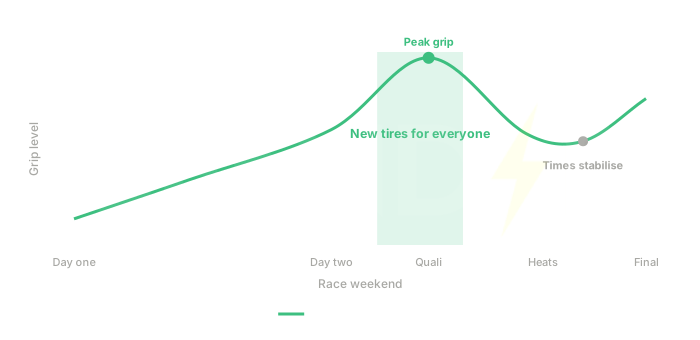
- Grip is lowest on day one and climbs all the way to qualifying, then drops again through the heats
- Qualifying is almost always the grippiest session, because every driver bolts on new tires at once
- The first layer of a new tire is the softest and lays down the best rubber, old tires do not build grip the same way
- Soft tire categories build grip far faster than hard ones, because they switch on at lower temperatures
- Cold tires slide without laying rubber; grip only builds once the tire is properly in its temperature window
- Do not chase a green track with setup, set up for the grip you expect in the next session, not the one you just had
- What is track evolution?
- Why is the first day always green?
- Green does not mean zero rubber
- Why grip peaks at qualifying
- What happens after qualifying?
- Soft tires vs hard tires
- Track surface and grip patches
- How should you set up for a changing track?
- The driver is the grip hunter
- Frequently asked questions
Why is the track never the same twice, and how do you stay ahead of it?
The really cool thing about racing is that the conditions are never the same. When you go to a racetrack, the track and grip level will never be the same throughout the weekend, as you have probably noticed yourself.
That is a real challenge, and it exposes who the driver is that adapts the most in any condition, between grippy and slippery.
What is track evolution?
If we want to track a usual track evolution scenario, we will normally notice that on the first day, let’s say it’s a three day weekend, the grip will be quite low.
Especially if that track is not being visited a lot during the year, and if there was no pre-weekend testing.
For example, in the major CIK-FIA races and WSK races, you’re not allowed to drive during the race week except the actual moment the weekend starts. It starts on a Thursday for the Champions of the Future race, as well as the WSK race.
So you’re always going to find a little more green track on the first day, simply because nobody had been driving for a few days. Or maybe rental karts drove for a few days, and that’s even worse.
Why is the first day always green?
In some cases, as I said, you’re allowed to test the week before, and so you will lay down quite a lot of rubber.
But at the end of the day, after a few days of non-driving, the first day is always going to pick up a little bit of dirt, and so it will take a bit of time to clean it up properly.
A track that has had rental karts running on it is not a rubbered-in track. Rental tires and rental pace lay down very little useful rubber while still dragging dirt onto the racing line. Expect a slower start, not a faster one.
Green does not mean zero rubber
When we say the track is kind of green, we don’t really mean that there’s no rubber on the track. For sure the rubber is going to stay. You will never really find a track with absolute zero rubber.
Unless you go onto a street circuit like in Vegas, where you have a completely green track with absolutely no rubber. That is the extreme scenario. In fact the track evolution in that case is just huge.
Also in street circuits for formula cars, I mean, I raced in Macau, in the Pau Grand Prix, in the Norisring, and every time it used to take really a couple of sessions to even get any sort of grip on the track.
The track evolution there was just insane, and the driver really needs to adapt and show the best adaptability skills, because it’s really all about that.
Yes, the setups will also play a major part in making sure the kart is set up more towards when the track is going to be actually more grippy, because that’s what’s expected when it comes to quali and the race. But for the first test day it’s going to be very slippery, and that’s normal, and that has to be expected.
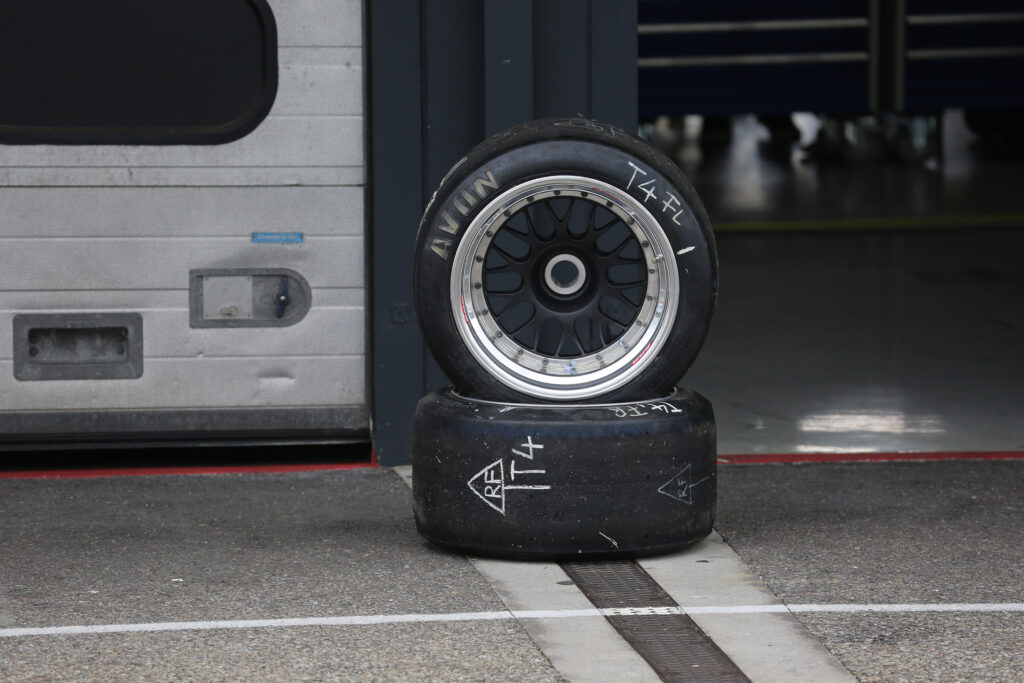
There have to be hundreds of drivers with new tires, ideally, that have to literally layer down the rubber in order to pick up any sort of grip.
Why grip peaks at qualifying
Going into the second day, it starts to be more and more rubbered in. Of course the lap times come down significantly, even up to a couple of seconds in some cases, even more. But it really depends.
As I said, in a CIK-FIA race the track is already pretty good at the beginning of the weekend, because there had been plenty of pre-week testing. So there would be maybe just half a second of difference from the beginning of the week until quali. That’s easy for the drivers to adapt to, and it’s easy for the setups to be adapted to.
But pretty much 99 percent of the time, the grip level in quali is always going to be the highest, and the session before quali, because everybody’s putting new tires on that day.
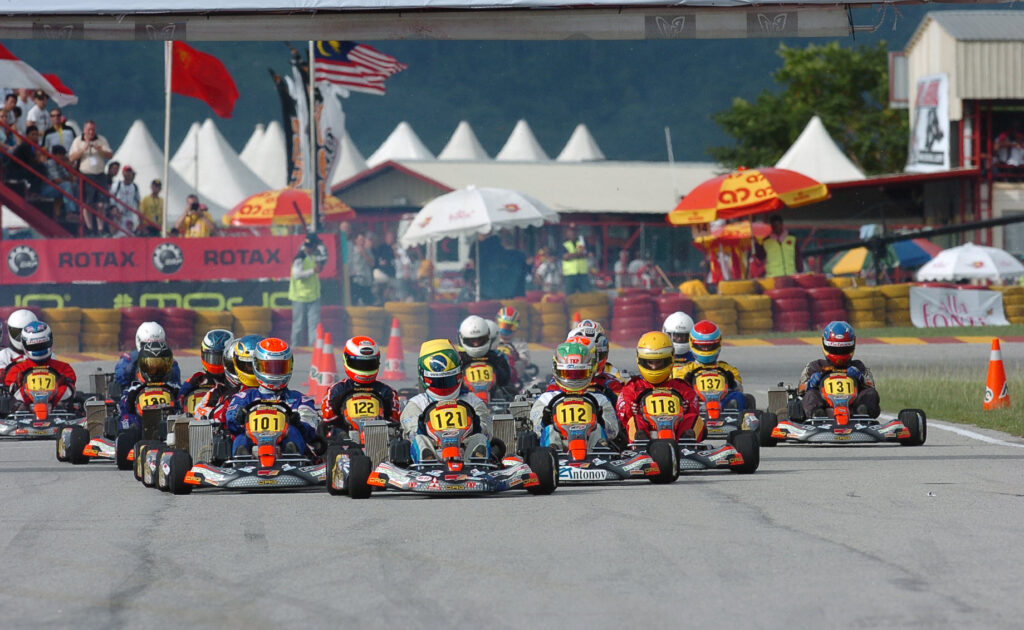
Let’s say it’s day two, a hypothetical Saturday. Everybody’s going to go on new tires in the official practice before quali. Let’s say there are 300 drivers on the track, which is a normal number for WSK events. If 300 drivers each put on a set of new tires, that’s 300 sets of tires being layered down on the track, the best part of the tire.
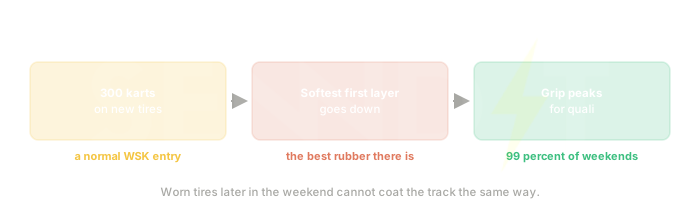
The first part of a new tire is the layer that goes off the fastest, and it is the softest part of the tire. That is not the same as layering down rubber later on when the tire starts to get consumed. A track full of brand new tires is being coated in high quality rubber, which is exactly why grip spikes right before qualifying.
What happens after qualifying?
As you’ve noticed, the track is not getting faster all the way through the week. In most tracks it’s not like that. In most tracks it gets faster and faster and faster all the way until quali, because everybody puts new tires until then.
And then after quali the times start to go up again. So they start to get worse and worse all the way until the heats and pre-final, where it starts to stabilise a bit.
And then when you go into the final, again everybody’s going on new tires in most series, and so the track again gets a bit quicker compared to the heats and pre-final.
So that’s normally track evolution. It’s a bit like an up and down. But after a while you start to anticipate what’s going to happen. You will never have 100 percent certainty on the track evolution, but based on experience you can get very close. If you want to make the most of that new-tire window, my qualifying tips go into it properly.
Soft tires vs hard tires
It also depends a lot on the different types of tires being used. If on the track there are a bunch of soft tires, from soft tire categories like Vega or LeCont, that’s always an instruction to expect times to really get faster and faster during the week.
If instead we are driving with very hard tires, and most categories during that weekend are driving really hard tires, then the times are not really going to improve that much. You will have to simply expect a lower grip level than categories with soft tires.
Why? Because soft tires can layer down way more rubber, because they get up to temperature way sooner than the hard ones.
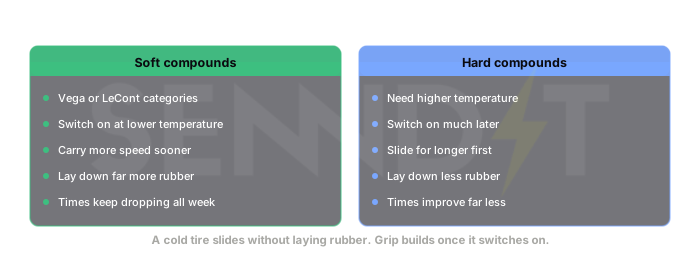
They actually get up to temperature in a way that they pick up the grip level earlier, with lower temperature compared to harder tires, which require higher temperature.
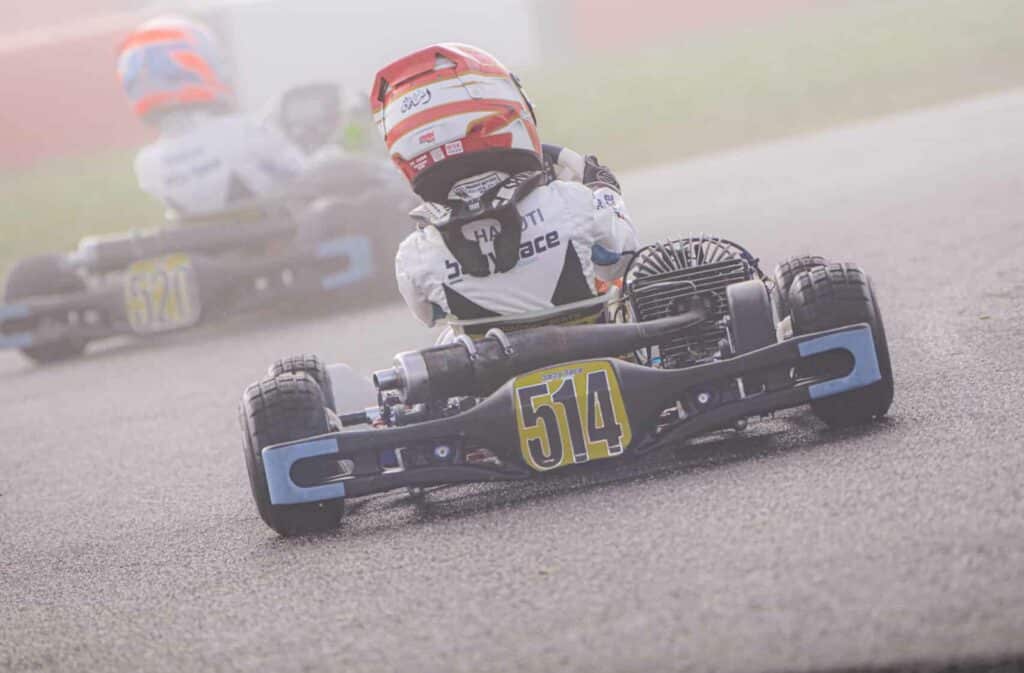
And since it’s a bit of a vicious cycle, softer tires enjoy lower tire temperature ranges, so they actually start to switch on faster, and therefore they are going to pick up the grip earlier, they’re going to carry more speed into the corners, which automatically lays down even more grip.
You actually start to lay down grip when tires start to switch on. When the tire is just cold, you’re just sliding on the track, but you’re not really laying down rubber.
That’s something very important. You actually start to lay down rubber when the tire starts to get hot, very hot, when they get within the range. It is worth understanding the difference between grip-building slip and the good and bad of sliding, because they are not the same thing.
Track surface and grip patches
So it’s really about learning the track DNA as well, and also trying to understand the track surface. Because not every track surface is the same as the other.
There are some track surfaces that are more abrasive, other track surfaces that are less abrasive. And there are surfaces that provide more grip overall than others that have just a lower grip overall. It really depends.
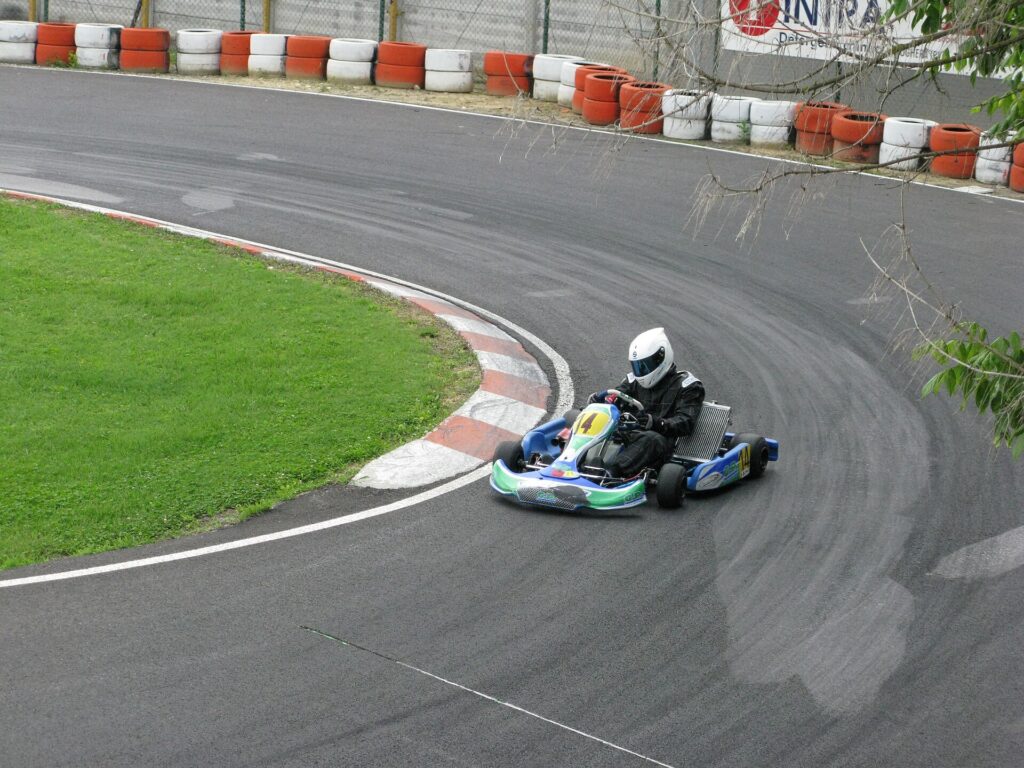
Then there are some tracks that even have different patches of grip, based on different patches of tarmac surfaces. So it’s also in that case kind of hard to predict the grip level in all the parts of the track.
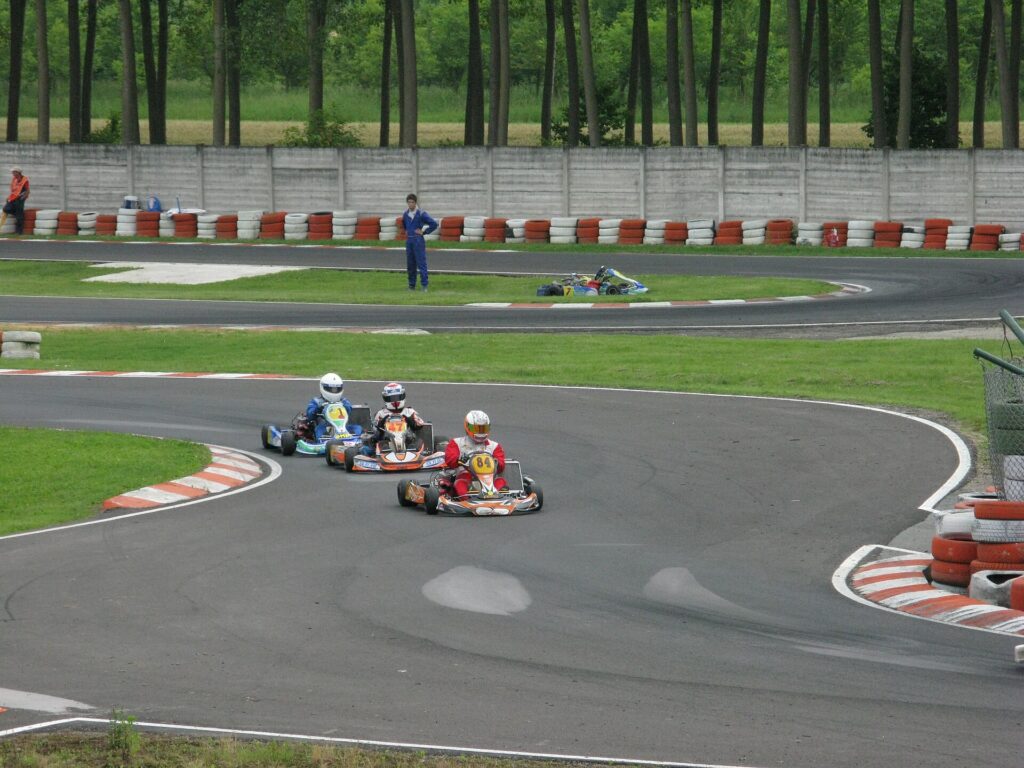
So you have to again use your judgement, use your grip hunting skills and your experience, to tell where the grip is going to build up mostly and where it’s going to stay roughly the same.
How should you set up for a changing track?
You can always choose, as a driver or as a team, to set up the kart more for the qualifying, or you can set up the kart more for the heat races. It really comes down to the setup philosophy of the team.
But for sure, if you start playing too much with the setup when the track is super green, I believe that’s a mistake.
Because if you start to add so much grip, but then all of a sudden the track gets super fast and you start to have so much more grip, then you’re kind of screwed. You end up with way too much grip and the tire is not being utilised in the right way.
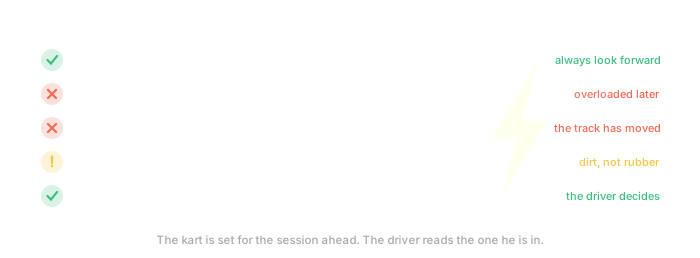
You always have to look forward. Always think about what the grip is going to be like in the next session, not just what the grip is now, or what it was in the previous one. Chasing a green track with setup leaves you overloaded the moment the rubber goes down.
The driver is the grip hunter
Never forget that the driver makes a difference. While you can rely on a strong team, a strong coach and a strong mechanic, the reality is that the driver is the one driving.
He’s the grip hunter, as I like to say. He needs to hunt for grip, and he needs to discover the grip immediately, as soon as he goes out on the outlap.
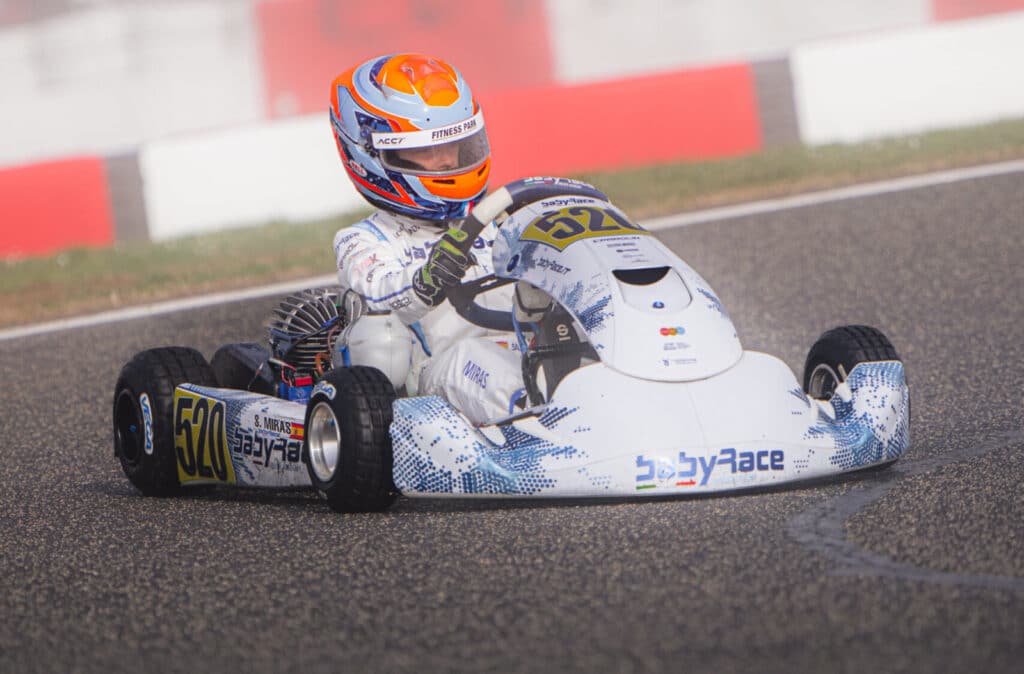
He needs to figure out where the grip has increased, or whether the grip has decreased in some corners. And you need to figure out where you can brake later and where you need to brake early.
So it’s all about adaptability and judging based on the conditions. But again, the drivers make the difference.
You can see that in Formula 1 as well. From the first practice on Friday until qualifying Q3, the grip evolution changes dramatically, especially in the street circuits, where the lap times go up like four or five seconds sometimes.

And the drivers just have to adjust their driving styles by carrying way more speed, but in the right places. Because if you try to carry way too much speed in the entries of the corners, maybe that’s wrong. Because maybe the goal is to focus on the mid corner and the exit.
So you really have to judge it based on each track and each corner. It’s really important to always remember that the driver makes the difference.
Frequently asked questions
What is track evolution in karting?
Track evolution is the way grip changes across a race weekend as rubber is laid down on the racing line. A track typically starts green and slippery on day one, gains grip continuously as more karts run, peaks at qualifying when everyone fits new tires, then loses grip through the heats before improving again for the final.
When is grip highest during a race weekend?
Almost always in qualifying and the session immediately before it. That is when every driver on the entry fits new tires at the same time, at a WSK event that can be 300 sets in a single session, and the soft outer layer of a new tire lays down the highest quality rubber.
Do soft tires build more grip than hard tires?
Yes, and considerably faster. Soft compounds reach their working temperature sooner, so they switch on earlier, carry more speed, and lay down more rubber, which builds more grip, which allows more speed again. On a hard tire weekend, expect the lap times to improve far less across the week.
Should you set up the kart for a green track?
No. Set up for the grip you expect in the next session. If you add a lot of grip to chase a green track, you will be badly overloaded once the rubber goes down and the tire stops working properly. Looking one session ahead is the whole skill.
Send your onboard footage. Alessio reviews it corner-by-corner and tells you exactly what's costing you time, and how to fix it. Back within 48 hours.
Get My Onboard Reviewed → Reviewed personally by a CIK FIA World Champion, never an assistant.I promise I'll not spam you with repurposed shitty AI content but real experiences that only I, Alessio Lorandi, experienced. Written in my funny English-Italian tone of voice 😂
Alessio Lorandi is the former CIK FIA World Junior Champion, winning against Lando Norris in 2013 & F3 multiple race winner. He's helped 200+ karting drivers worldwide get faster & win WSK titles with BabyRace Driver Academy & now through Senndit, his online karting coaching platform.